The example catalog: 119 raylib demos in jolt
A map of the whole suite. Each example is one namespace under src/net/b12n/raylib_jlt/, runnable by a friendly bb <name> task or the underlying jolt -M:<alias>. bb info prints this grouping live; this page adds the "how it's wired" recipe at the end.
Run one, list them, or reel through all of them:
bb <name>          # e.g. bb asteroids   (opens a window)
bb examples        # flat list with descriptions
bb info            # the grouped cheat-sheet below
bb run-all [secs]  # every example, N seconds each (unattended)
games (10)
| preview | bb name | shows |
|---|---|---|
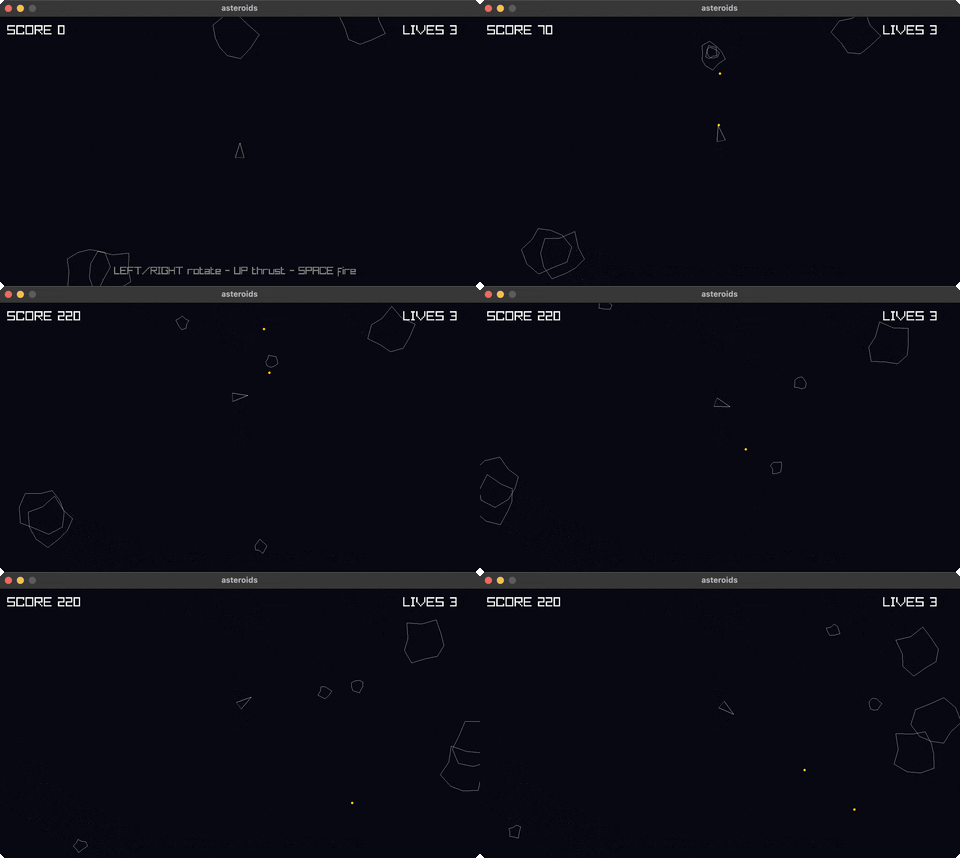 | asteroids | the classic vector shooter, splitting rocks |
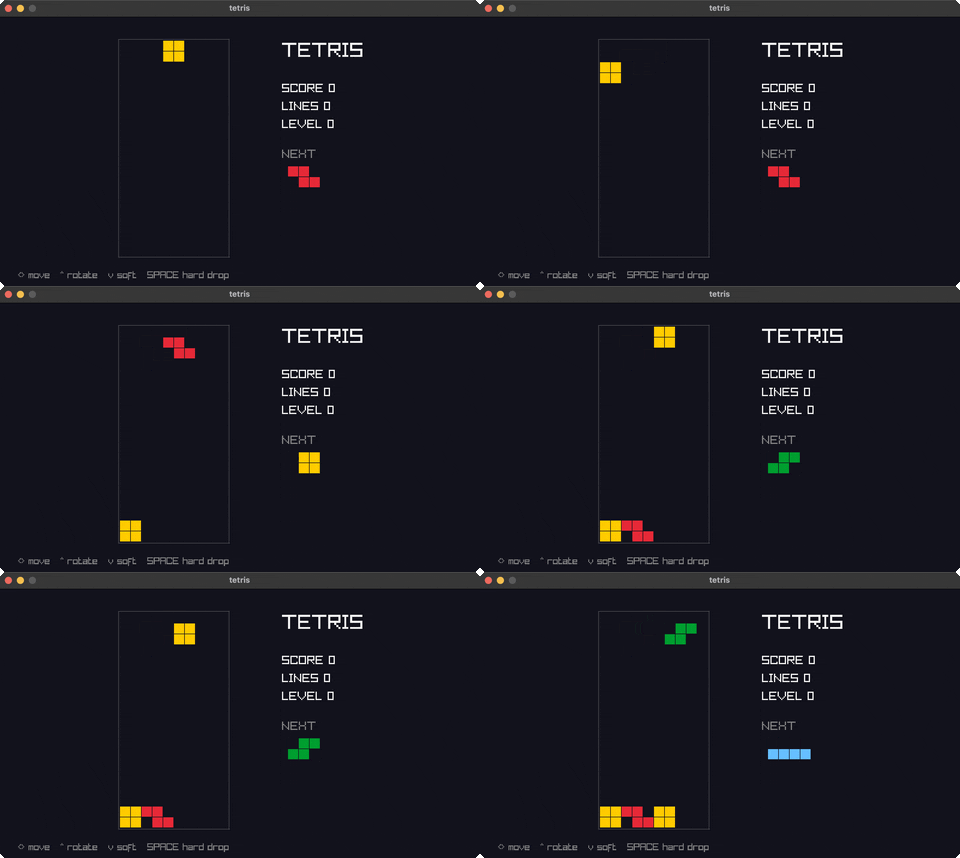 | tetris | 10×20 well, 7 tetrominoes, lines, levels |
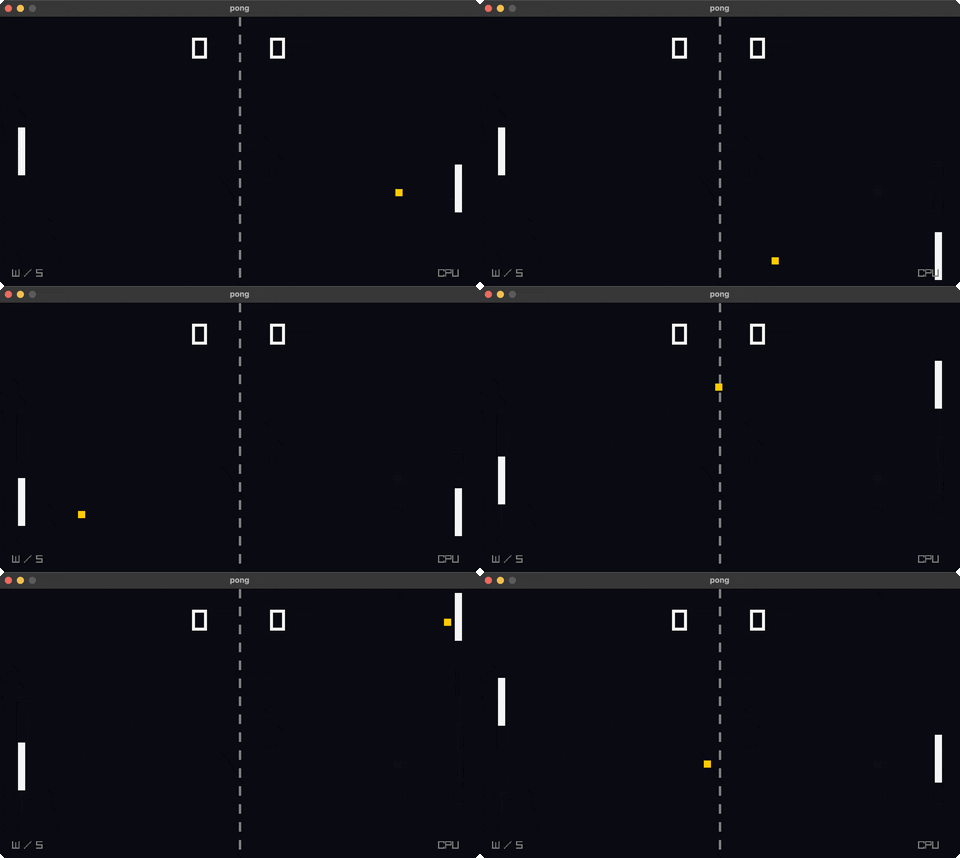 | pong | two-paddle classic, you (W/S) vs a CPU |
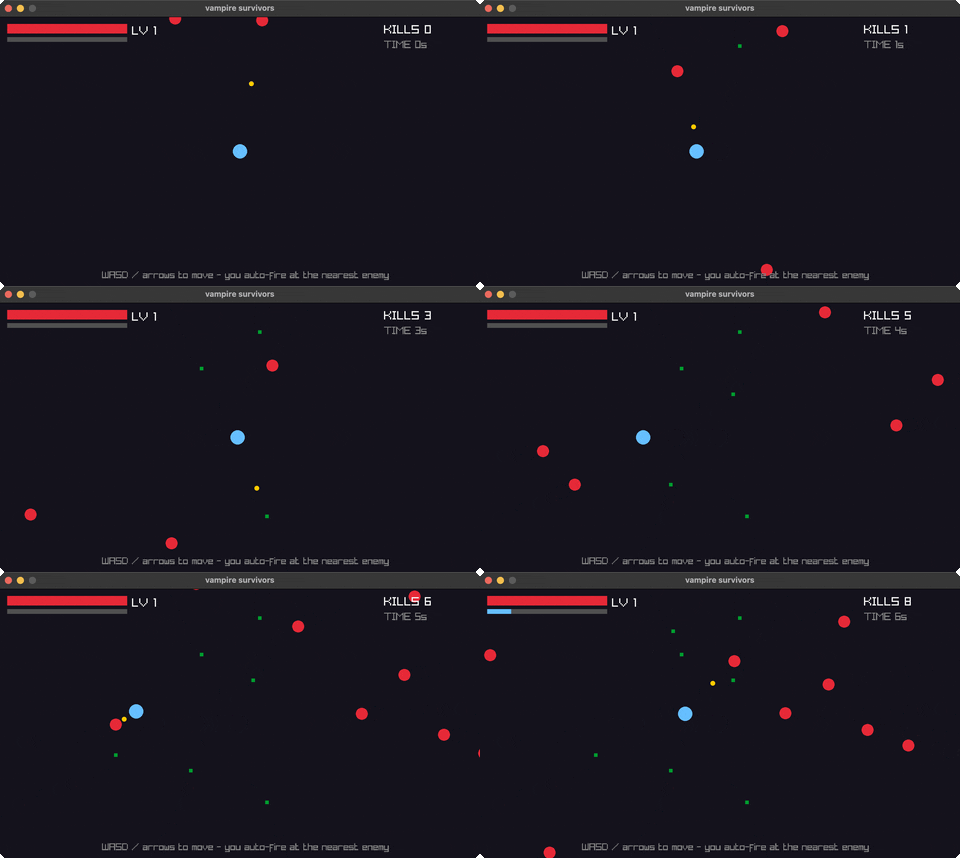 | vampire-survivors | auto-firing survivors-like: waves, XP, levels |
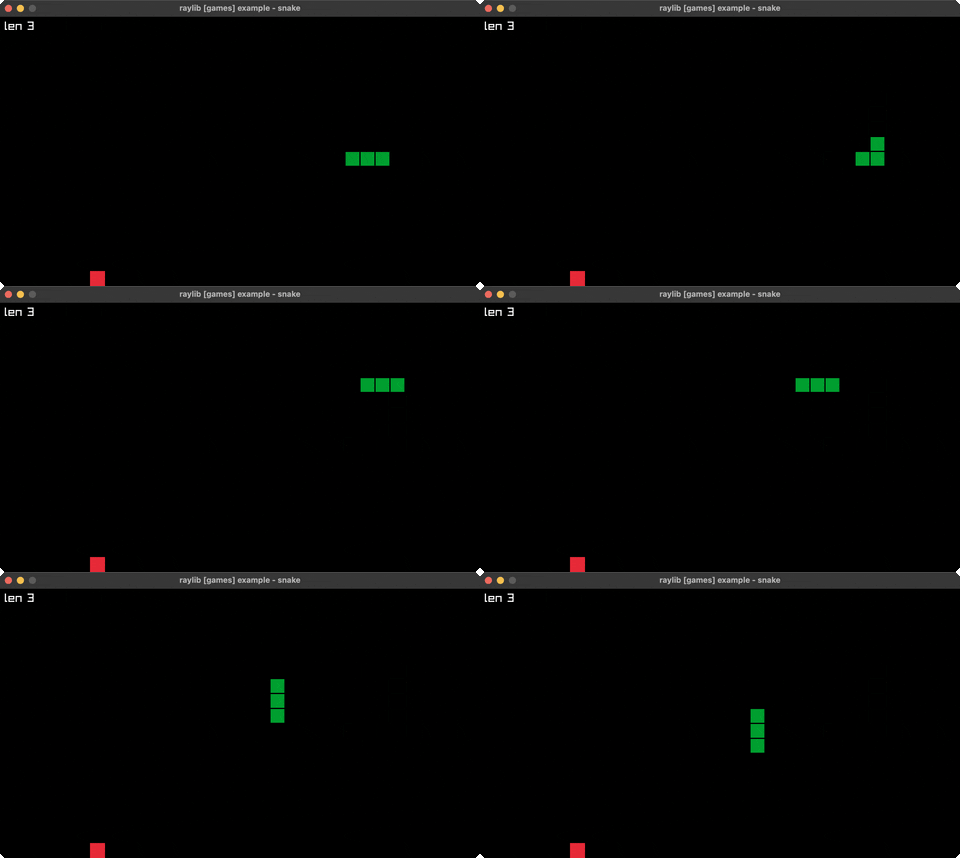 | snake | the classic snake (arrow keys, grow, don't crash) |
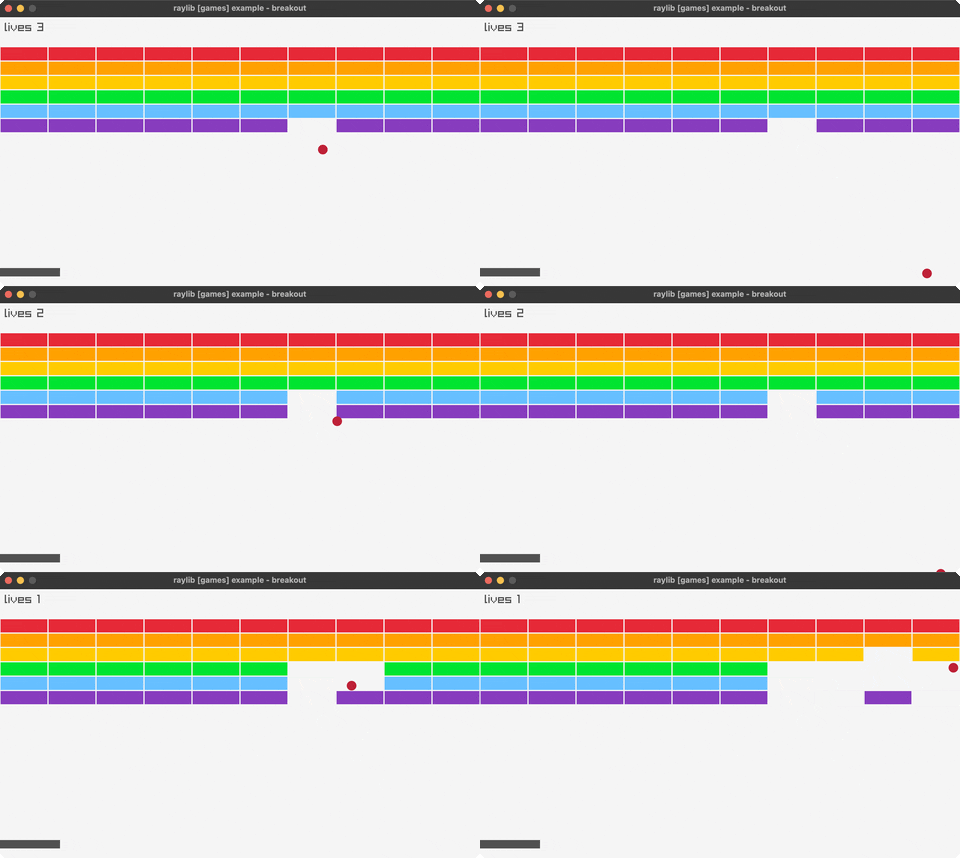 | breakout | paddle + ball + brick grid (mouse paddle) |
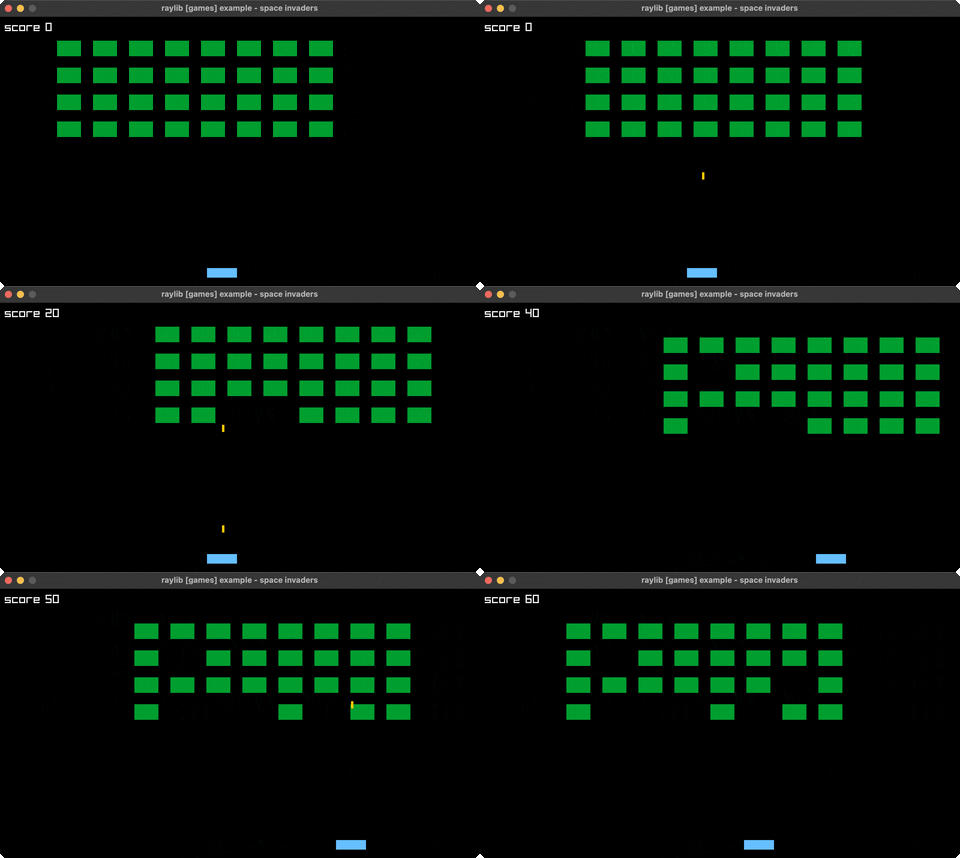 | space-invaders | marching aliens (arrows + SPACE to shoot) |
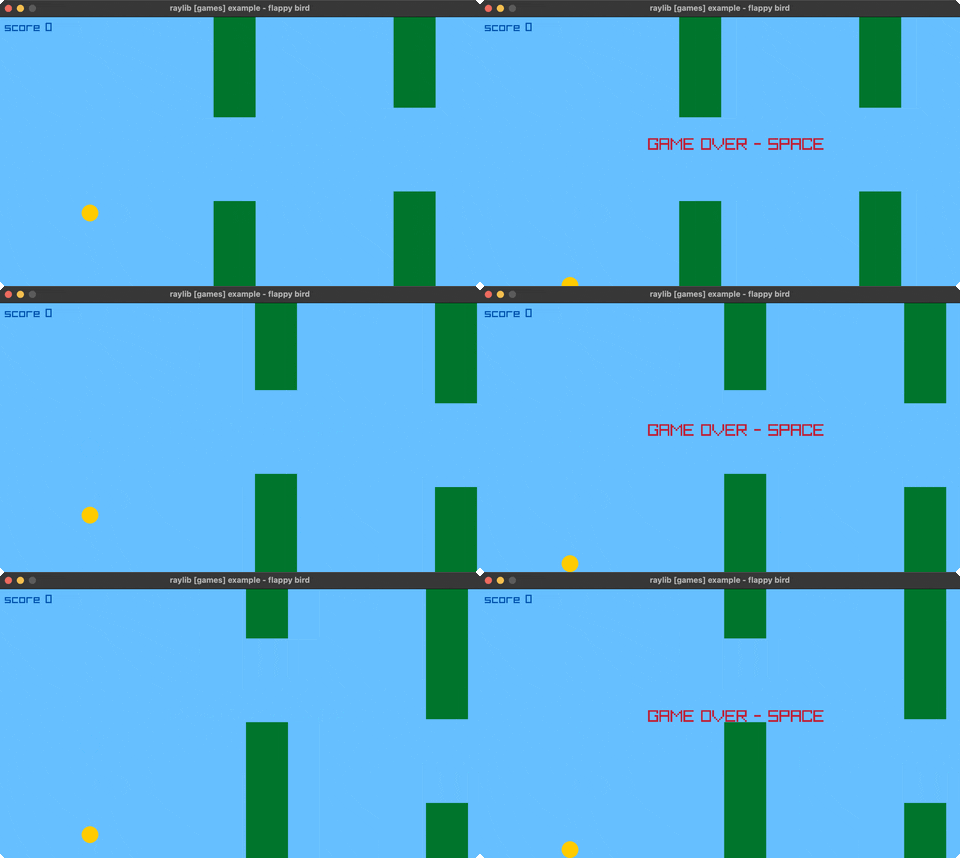 | flappy-bird | flap through the pipe gaps (SPACE) |
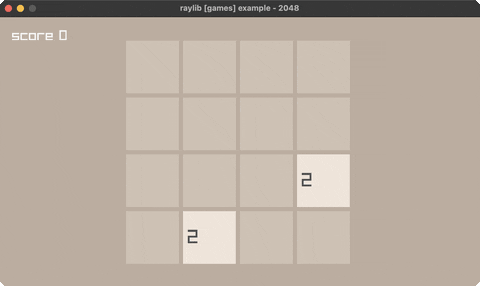 | game-2048 | 2048: 4x4 tile-merge puzzle (arrow keys) |
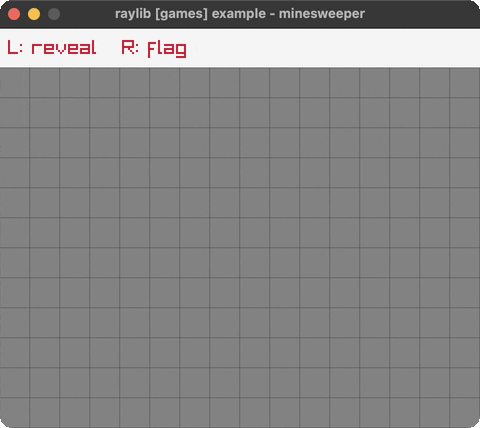 | minesweeper | reveal/flag grid (mouse L reveal, R flag) |
core (23)
| preview | bb name | shows |
|---|---|---|
 | basic-window | the minimal window + text (jolt -M:run) |
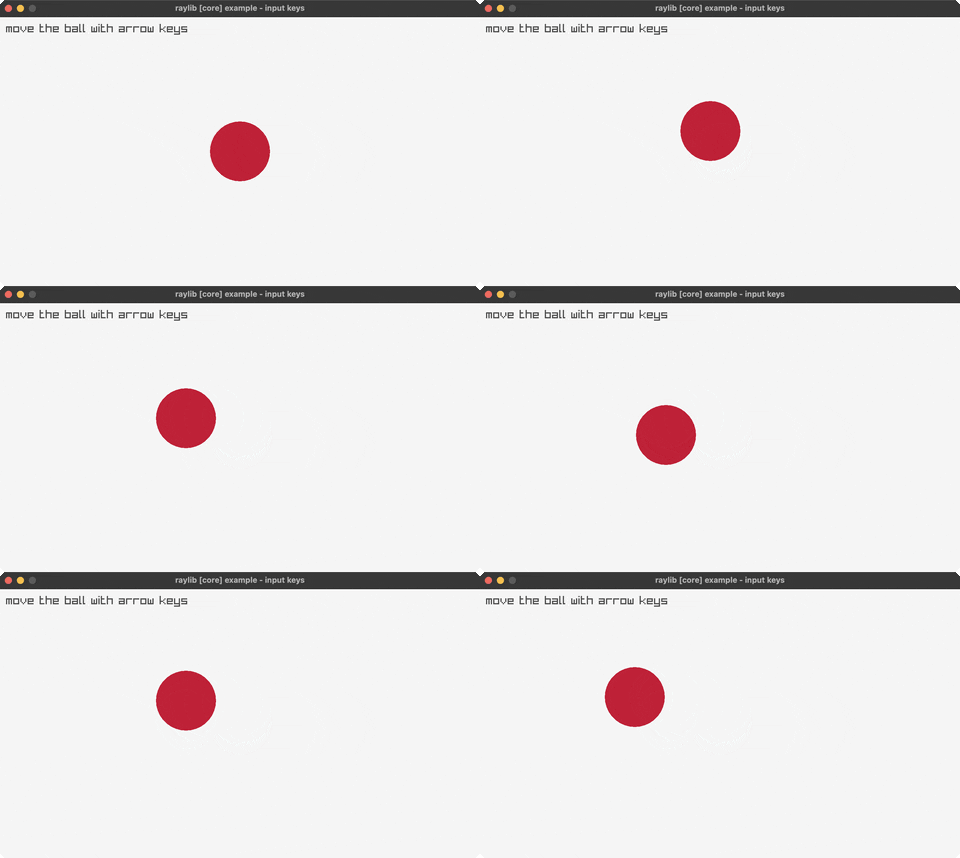 | input-keys | IsKeyDown, steer a ball with the arrow keys |
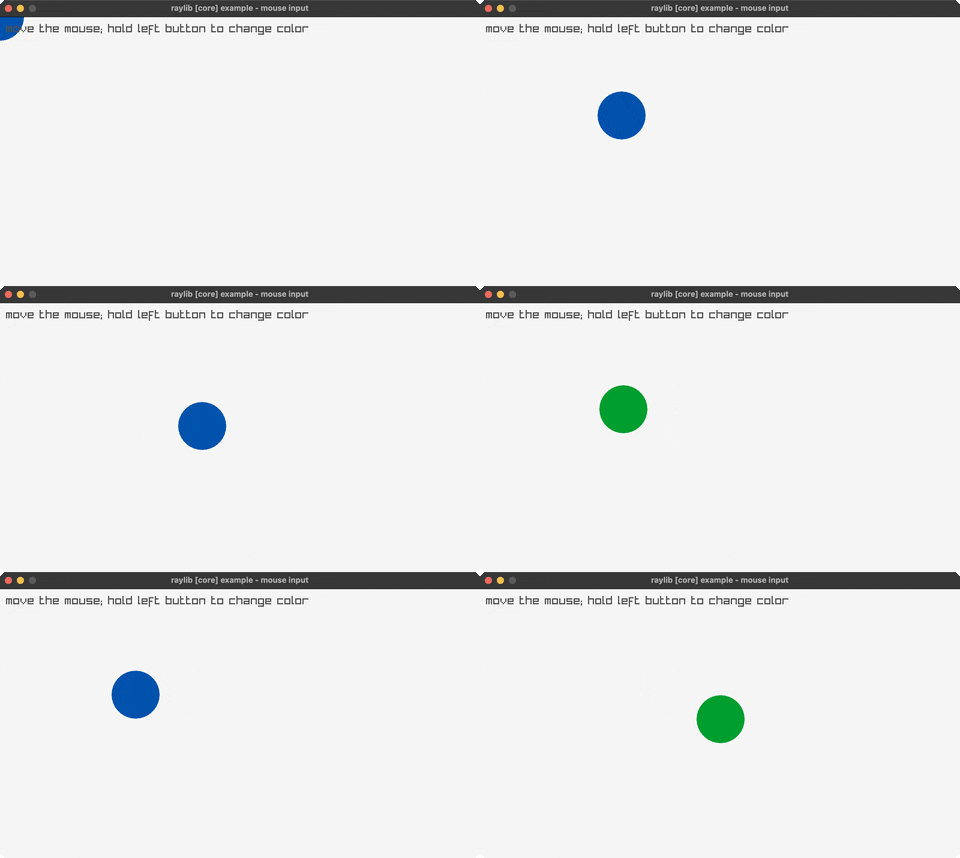 | input-mouse | GetMouseX/Y + click to recolor |
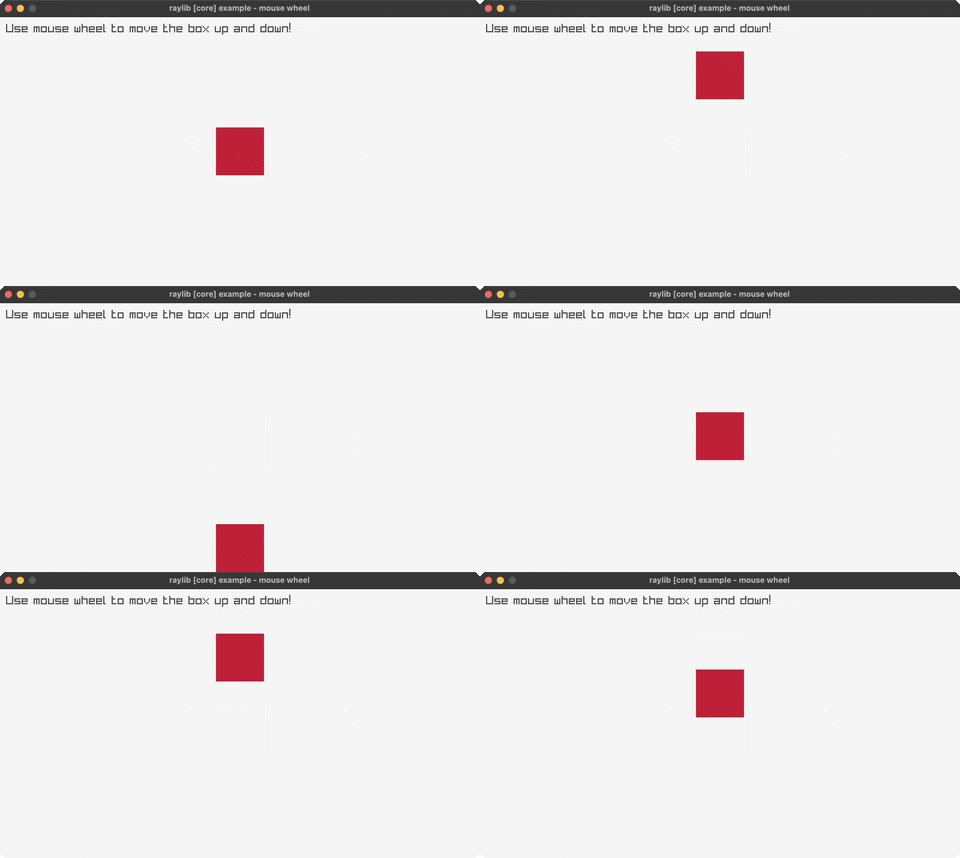 | input-mouse-wheel | GetMouseWheelMove scrolls a box |
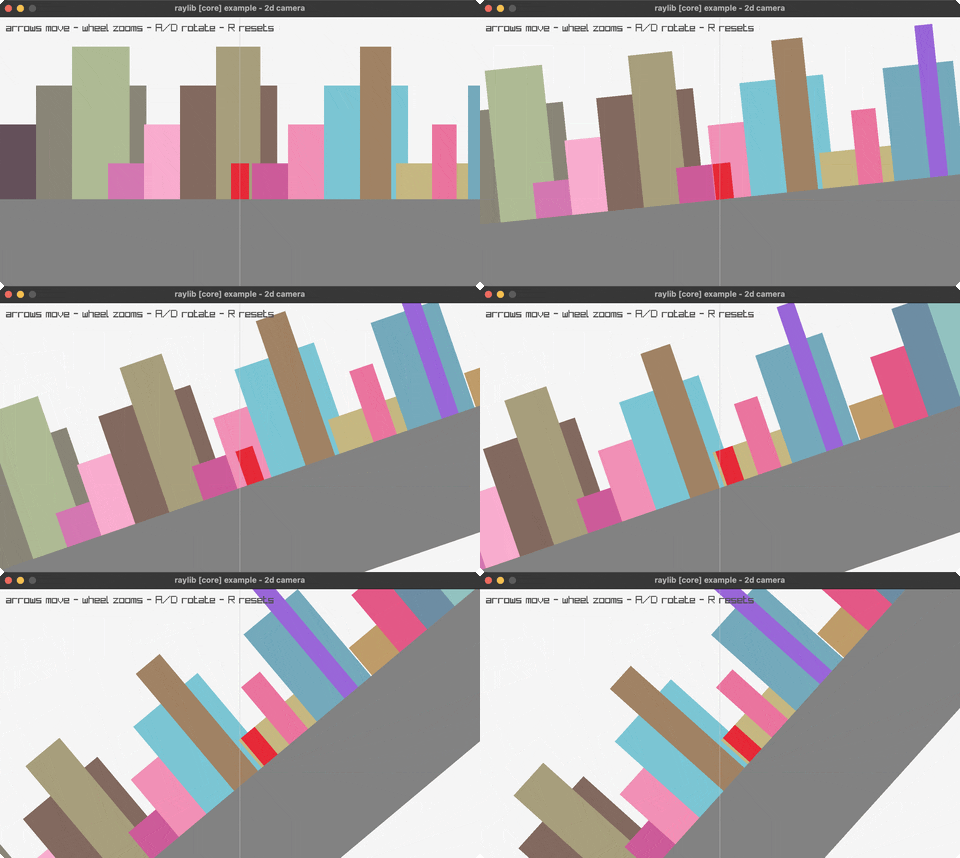 | camera-2d | a 2D camera over a skyline (struct by value) |
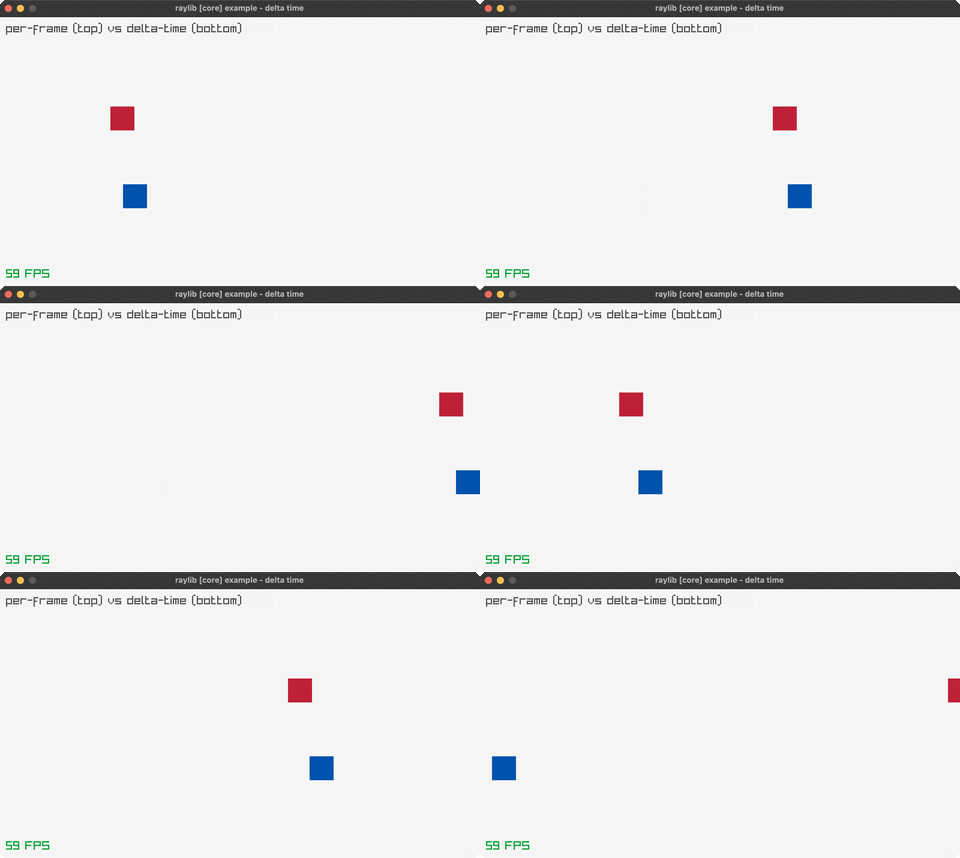 | delta-time | per-frame vs GetFrameTime movement |
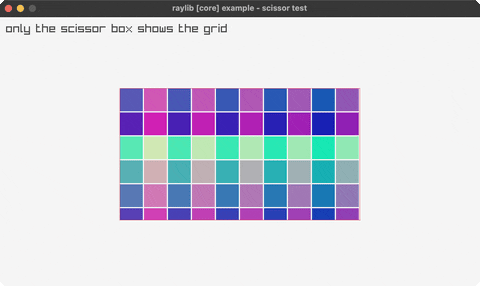 | scissor-test | BeginScissorMode clips a grid |
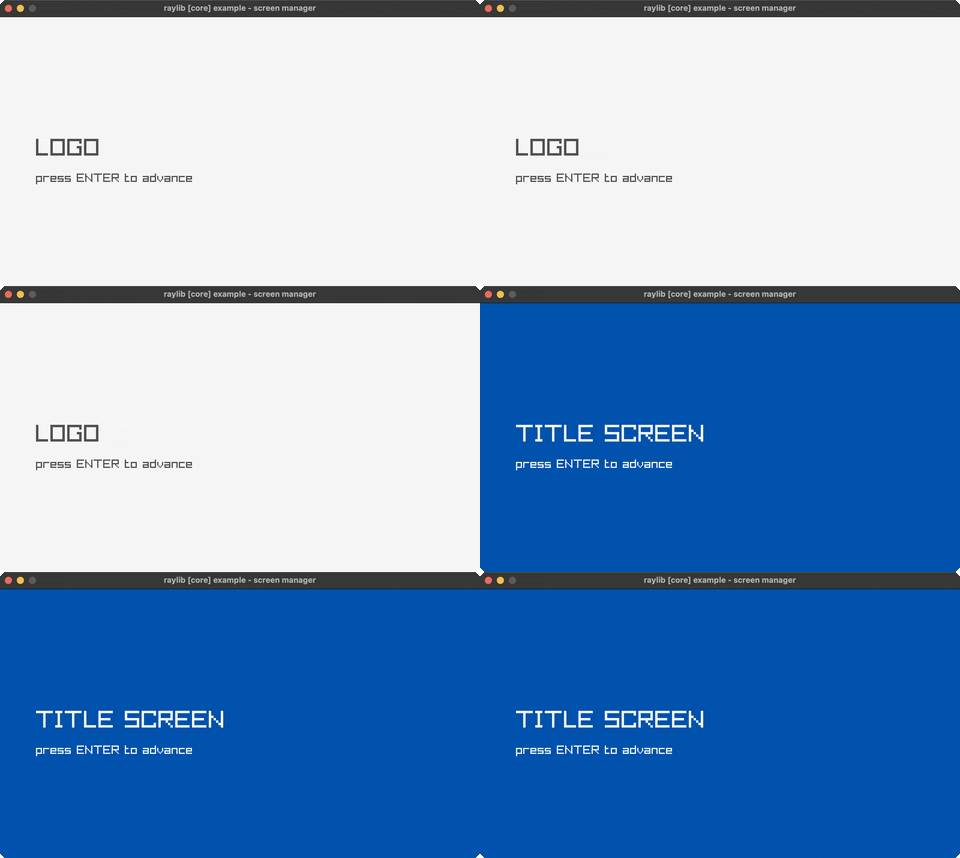 | basic-screen-manager | a LOGO / TITLE / GAMEPLAY / ENDING state flow |
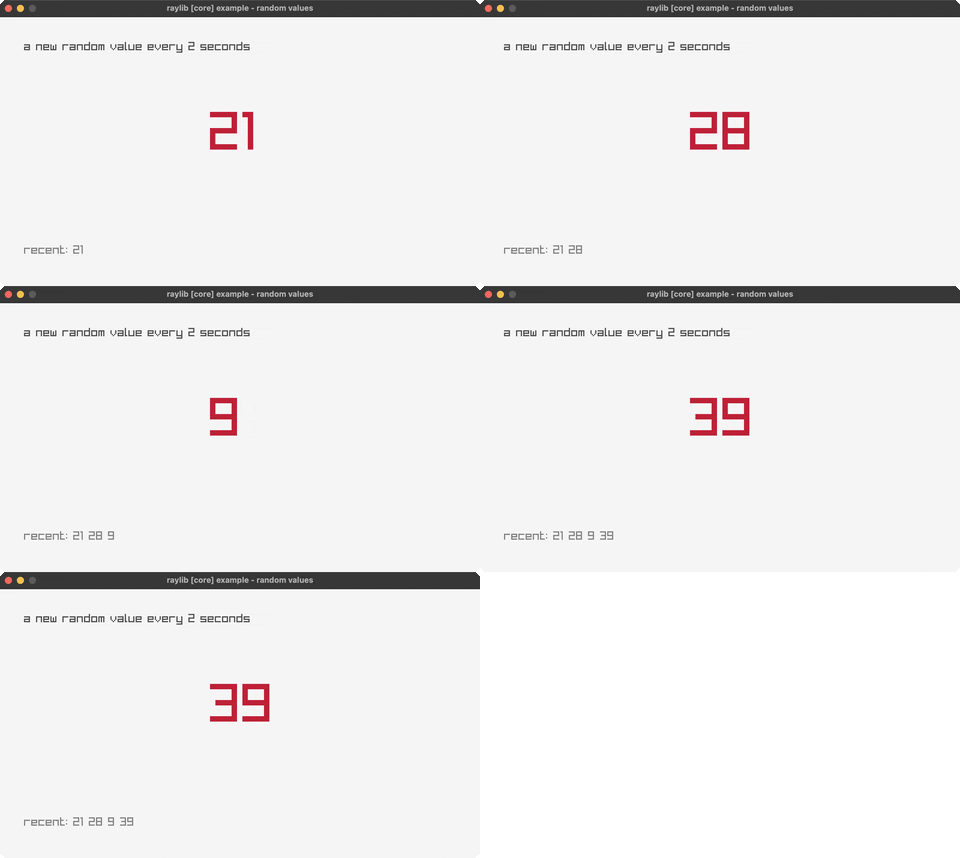 | random-values | GetRandomValue, a new value every 2s |
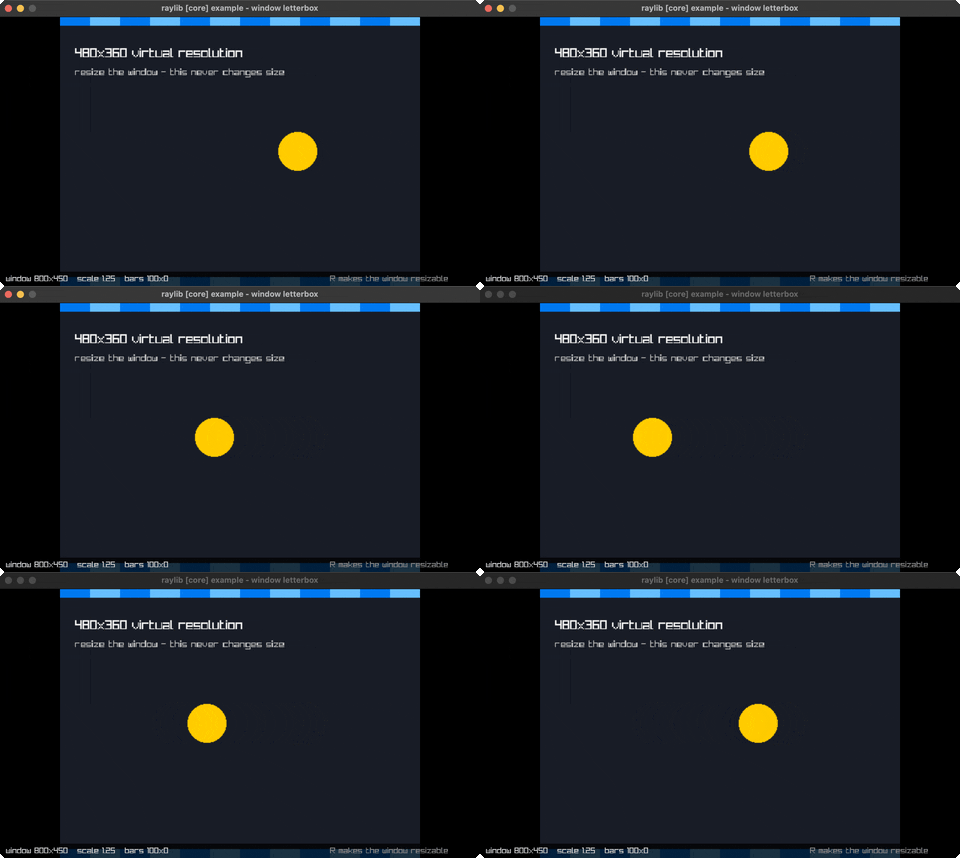 | window-letterbox | a fixed picture letterboxed into the window |
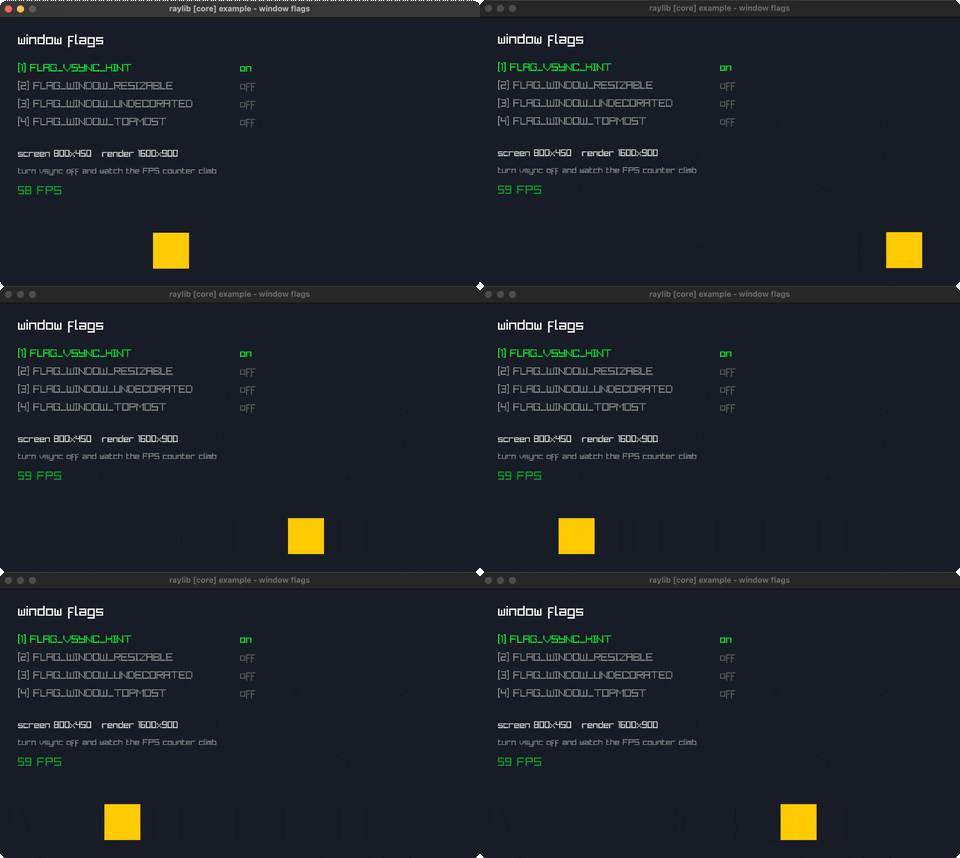 | window-flags | toggle vsync/resizable/topmost live |
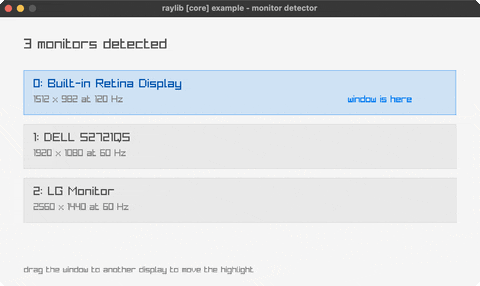 | monitor-detector | every attached display, current one lit |
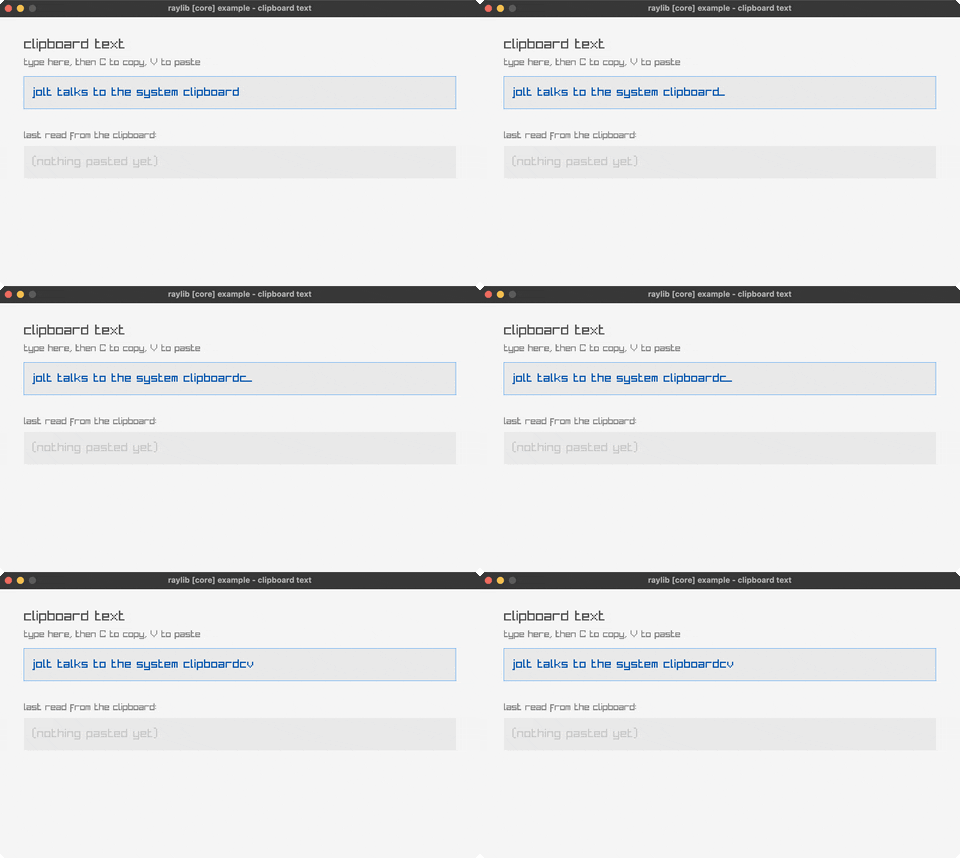 | clipboard-text | type, C copies to the system clipboard, V pastes |
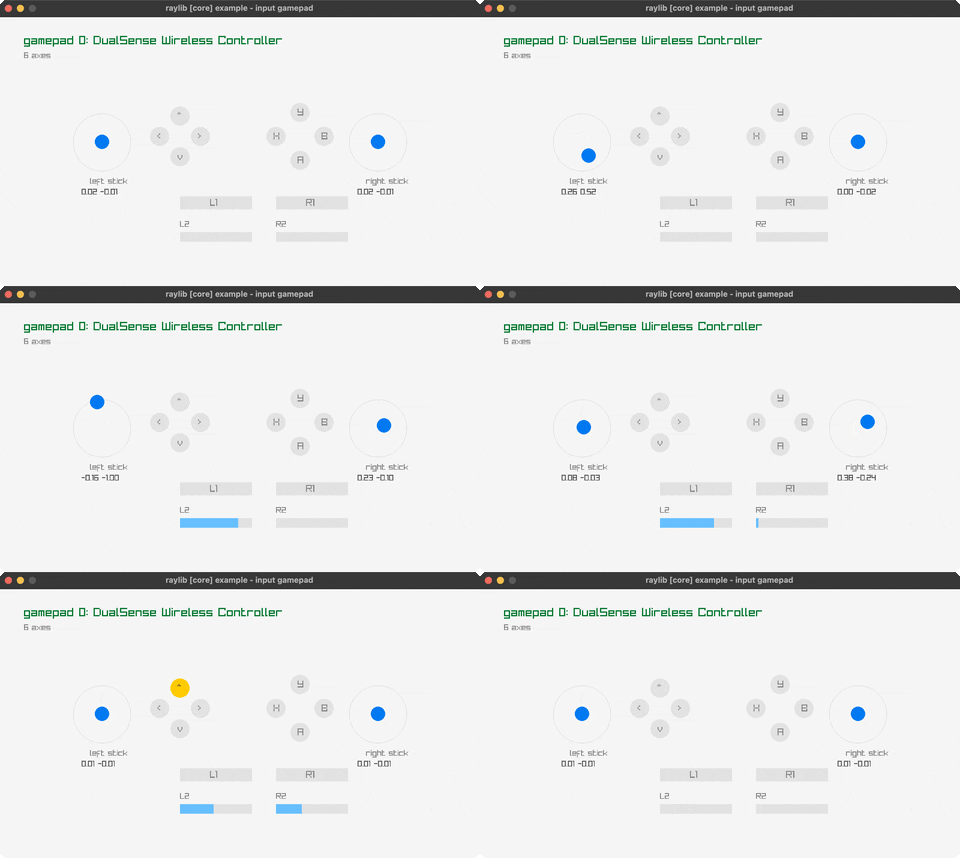 | input-gamepad | live sticks, triggers and buttons for gamepad 0 |
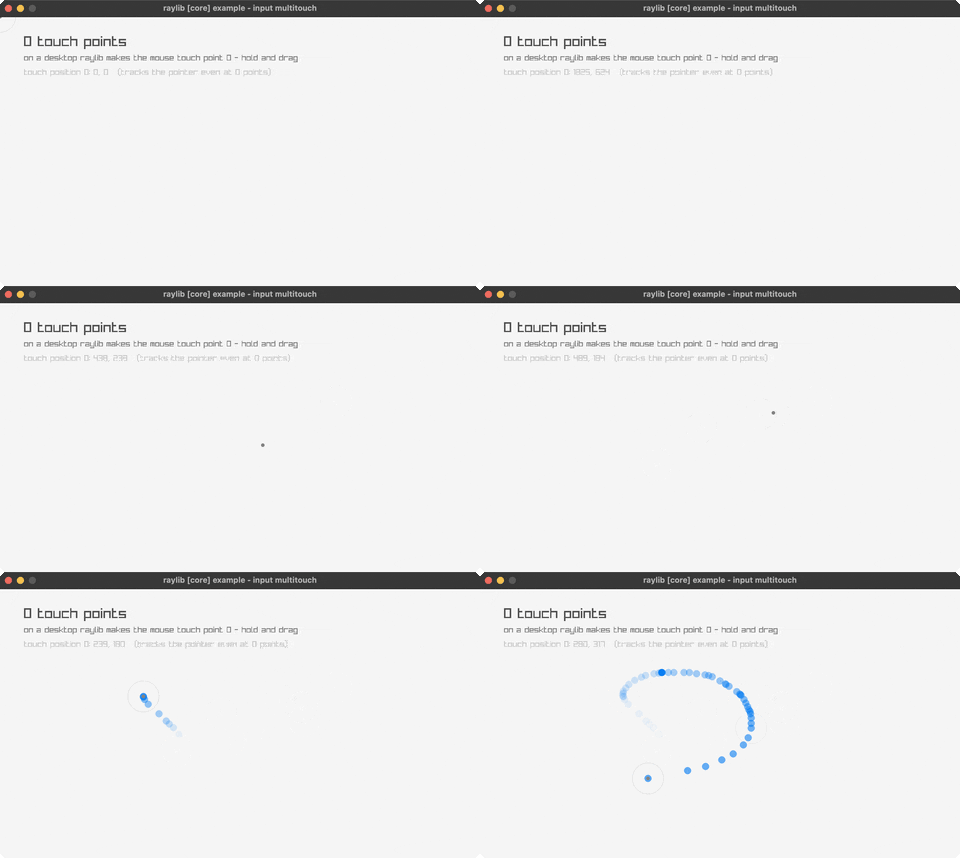 | input-multitouch | touch points (the mouse is point 0) |
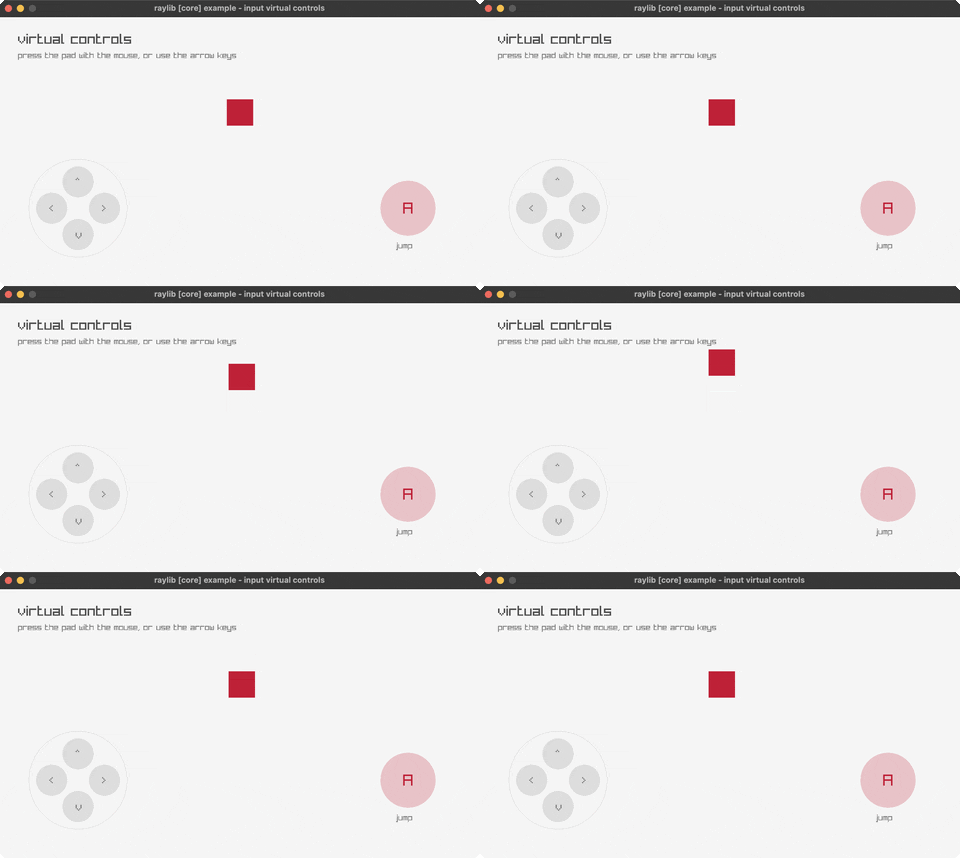 | input-virtual-controls | an on-screen D-pad and action button |
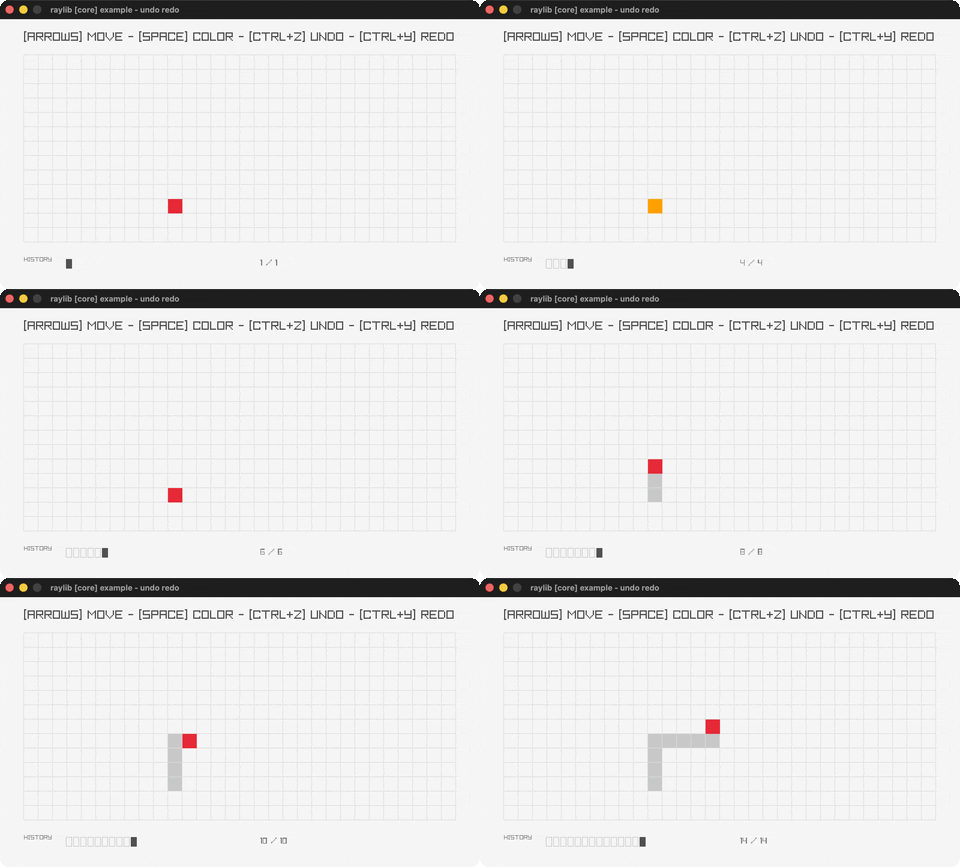 | undo-redo | a bounded history, CTRL-Z and CTRL-Y walking it |
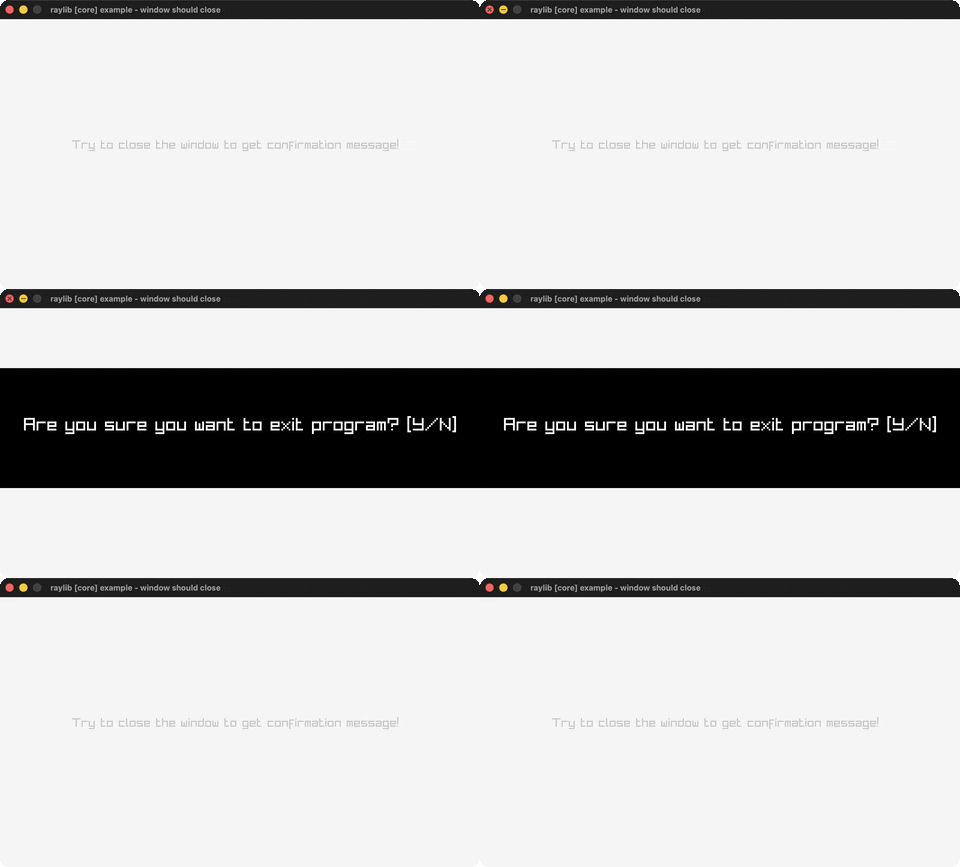 | window-should-close | SetExitKey so a close request can be answered |
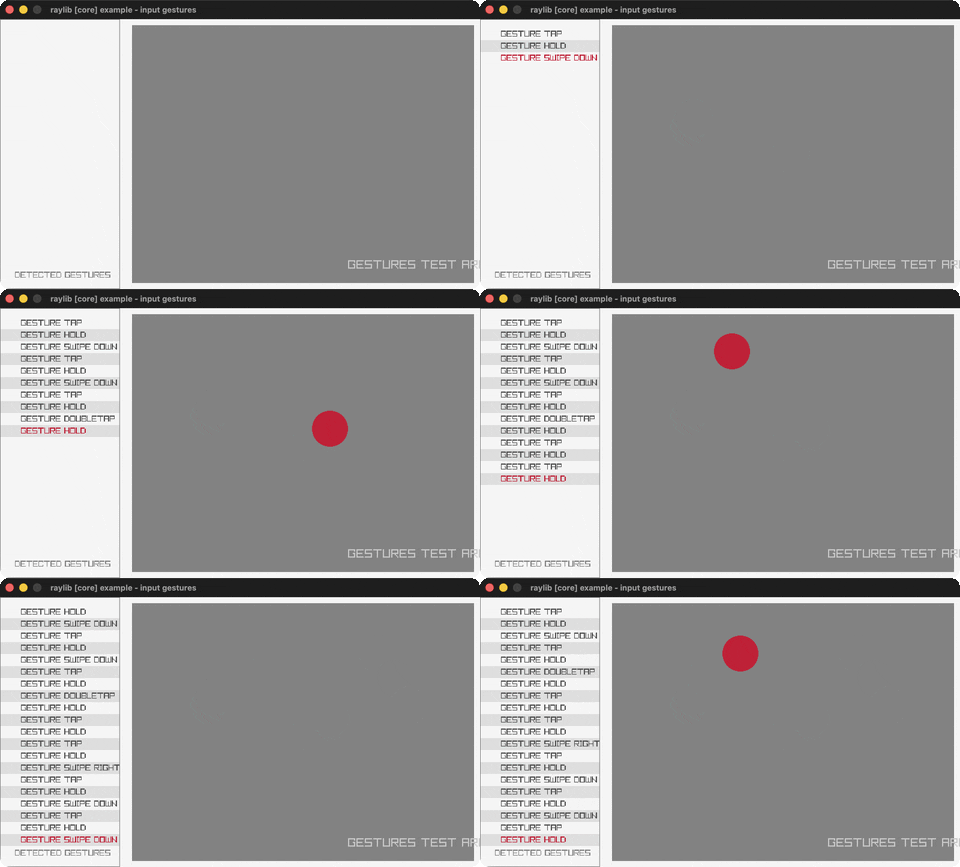 | input-gestures | GetGestureDetected, named as they happen |
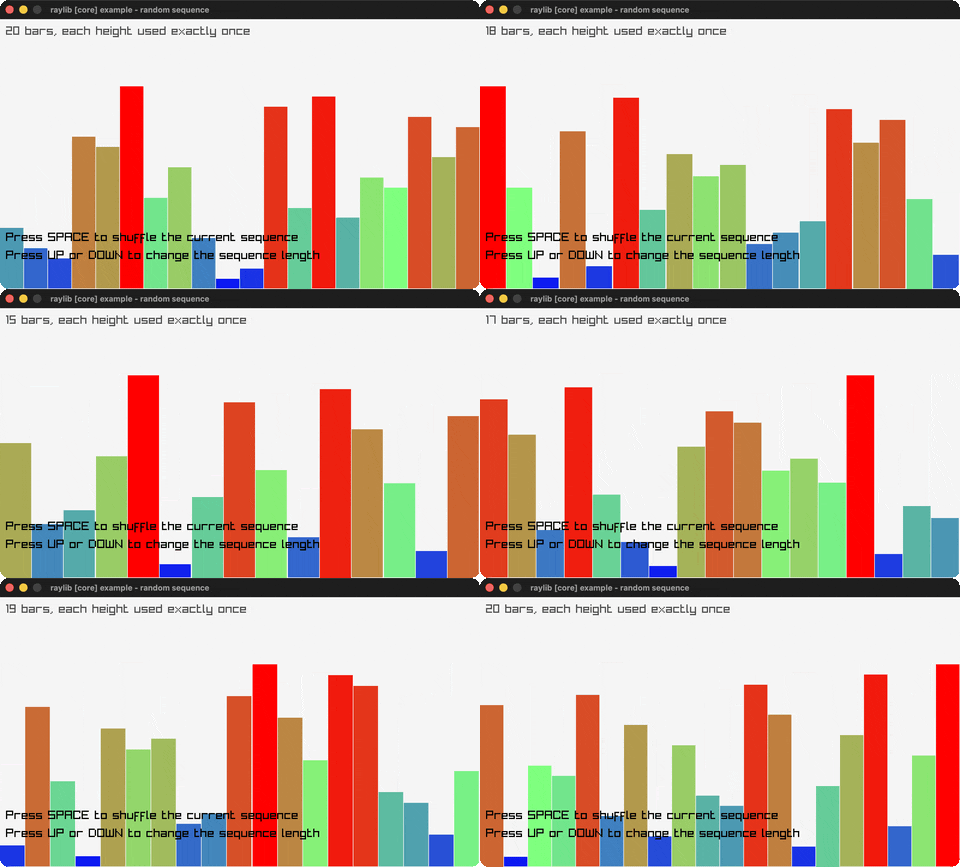 | random-sequence | a shuffled sequence, each height used once |
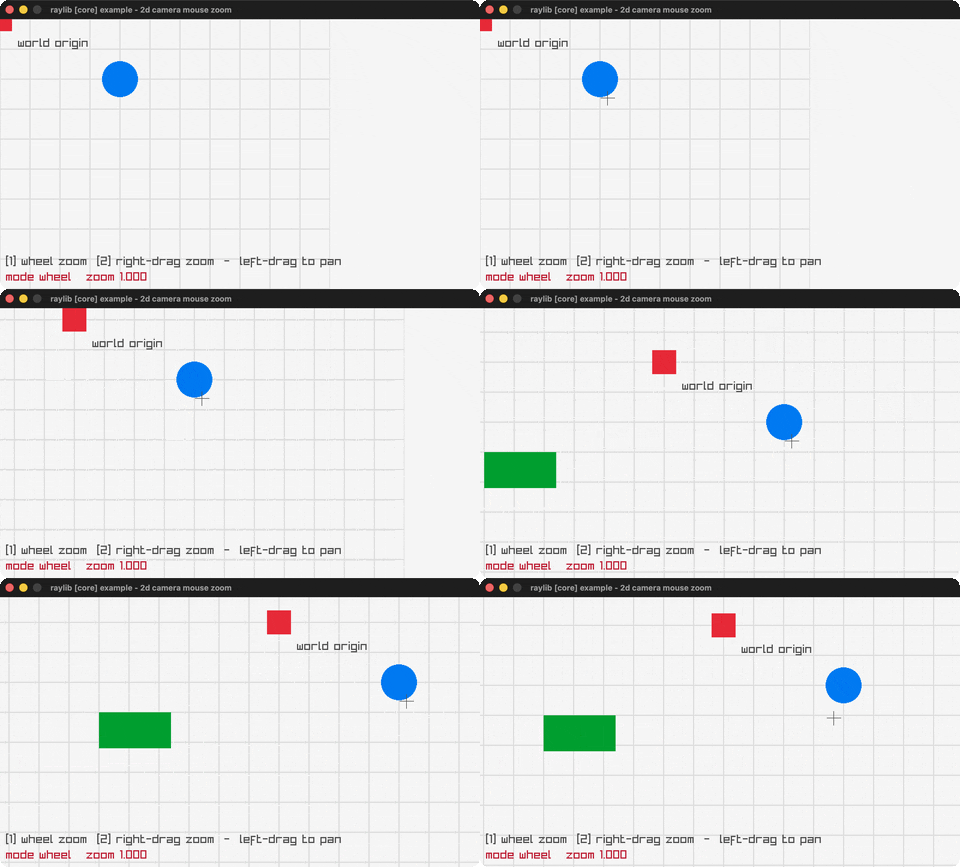 | camera-2d-mouse-zoom | zoom pinned to the point under the cursor |
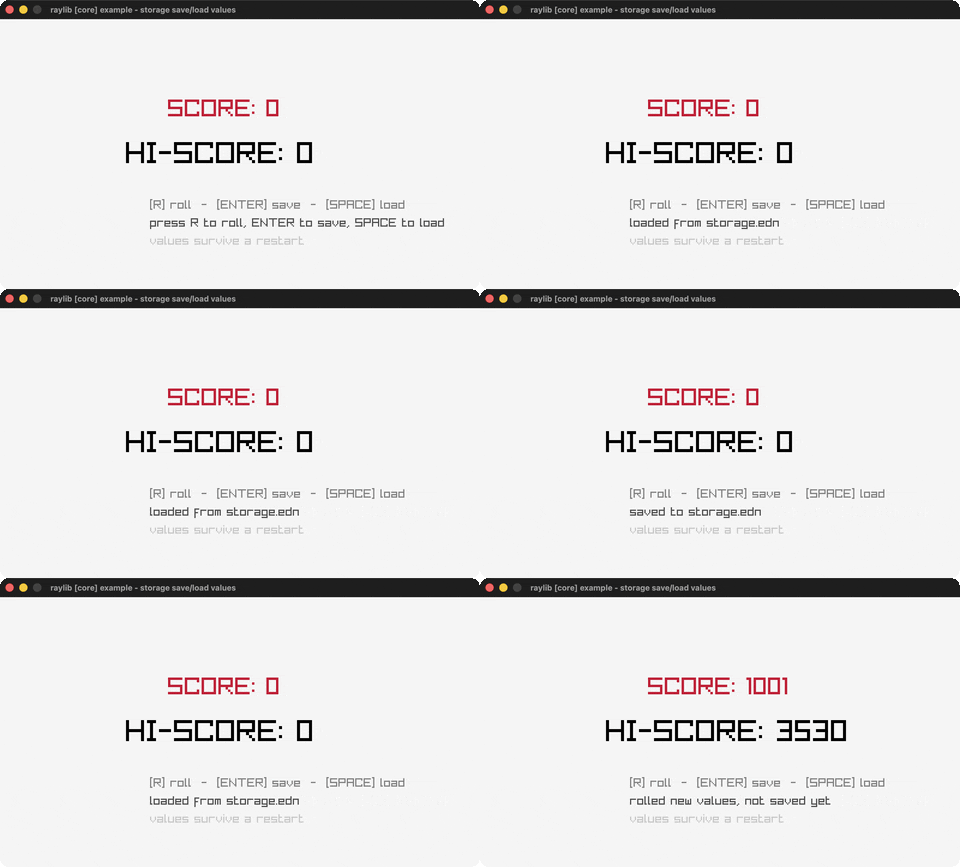 | storage-values | values that survive a restart, via a file |
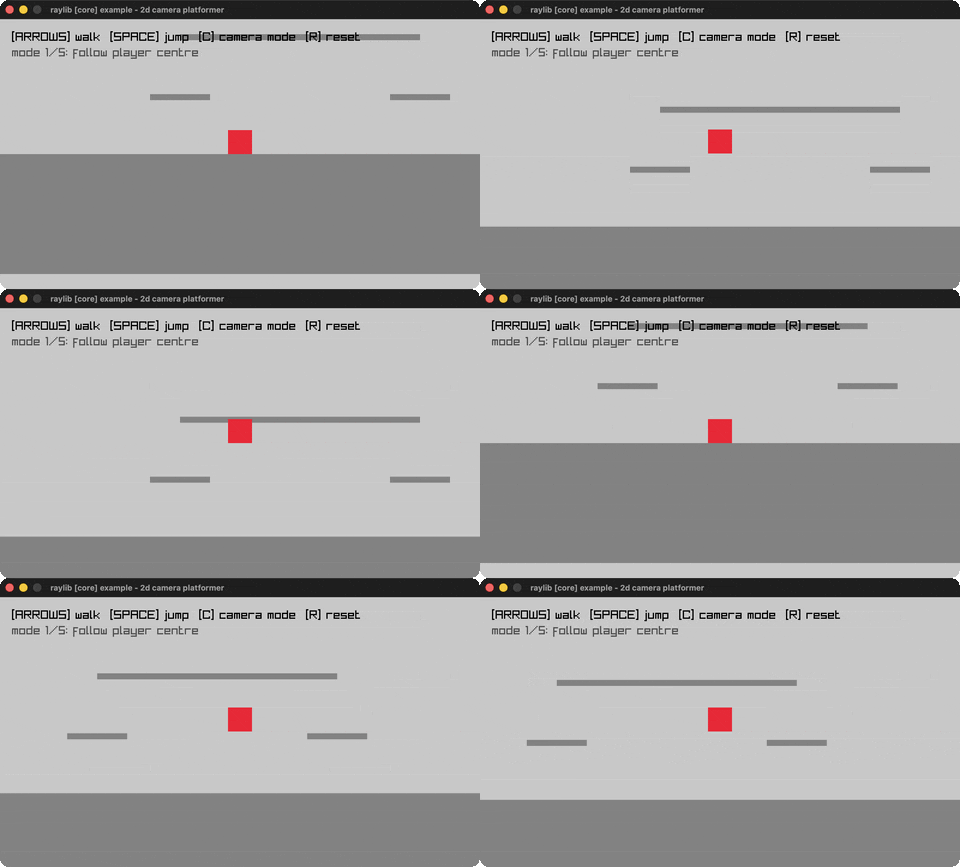 | camera-2d-platformer | five ways a camera can follow a jumping player |
shapes (42)
| preview | bb name | shows |
|---|---|---|
 | bouncing-ball | animation, IsKeyPressed pause, DrawFPS |
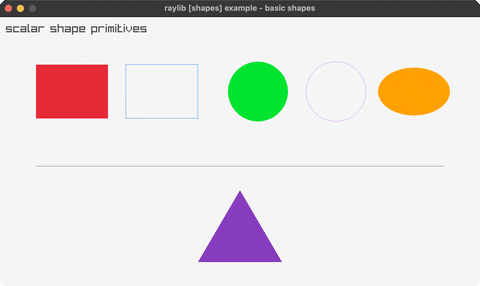 | basic-shapes | rect / circle / ellipse / line + an rlgl triangle |
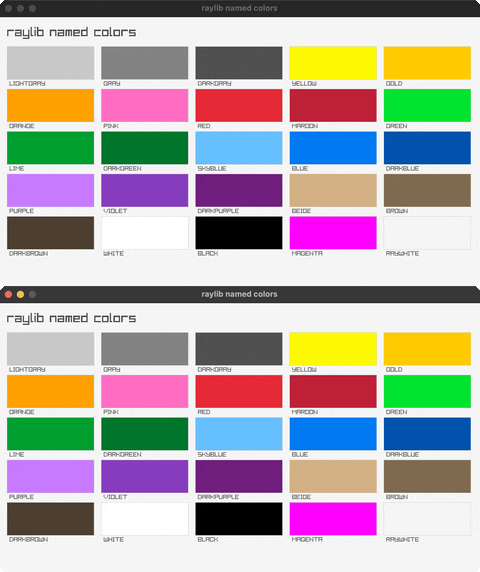 | colors-palette | every named raylib color in a grid |
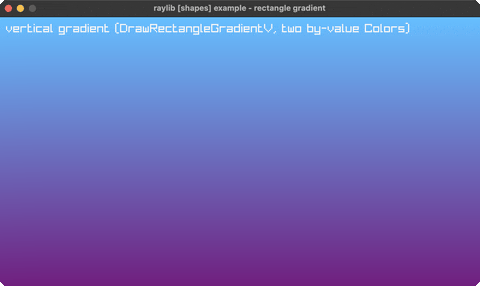 | gradient | DrawRectangleGradientV (two by-value Colors) |
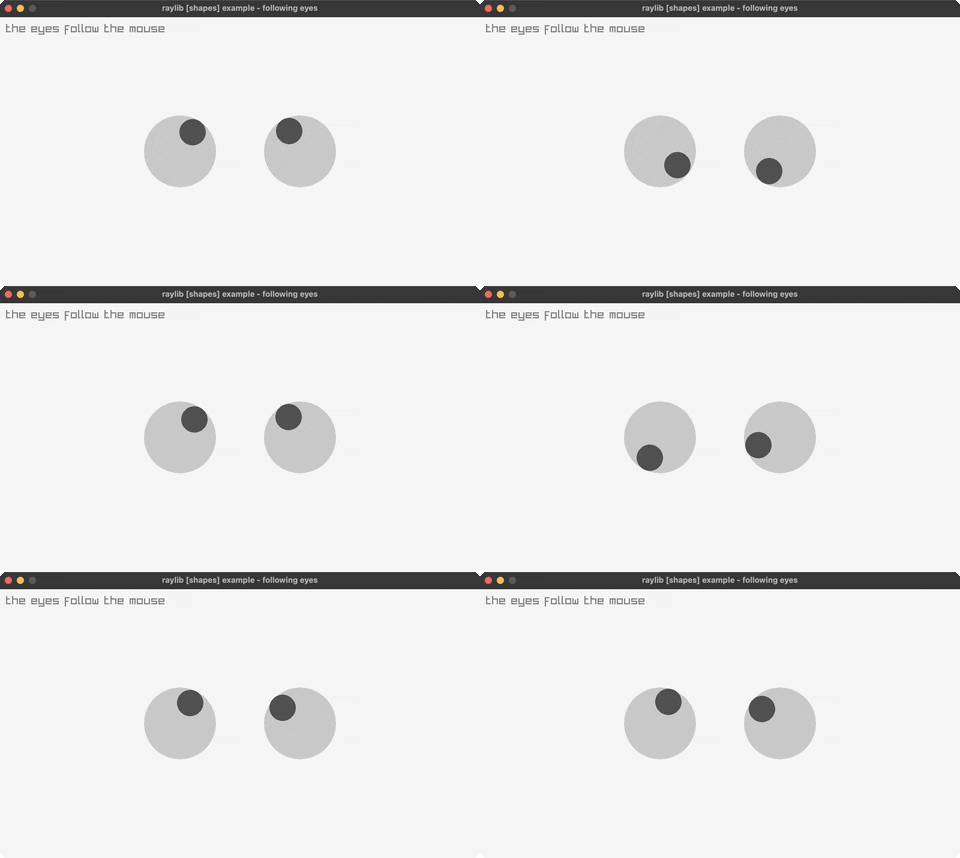 | following-eyes | pupils track the mouse (scalar trig) |
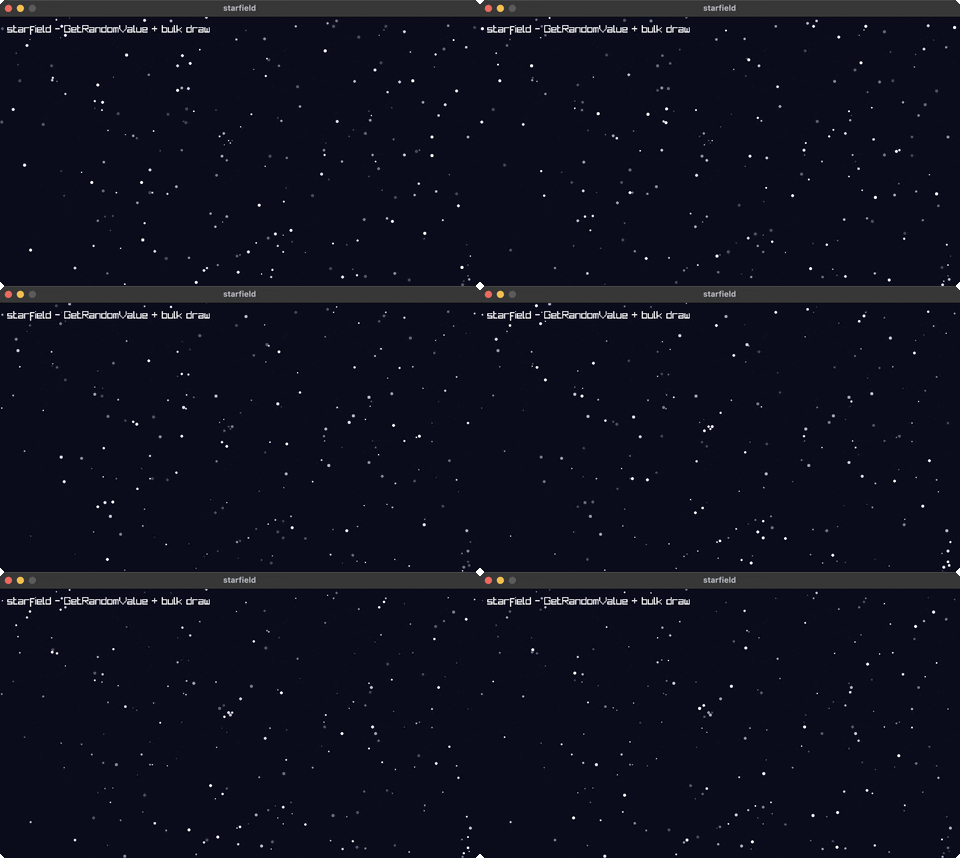 | starfield | GetRandomValue + bulk draw, per-star twinkle |
 | logo-raylib | rectangles + text, positioned with MeasureText |
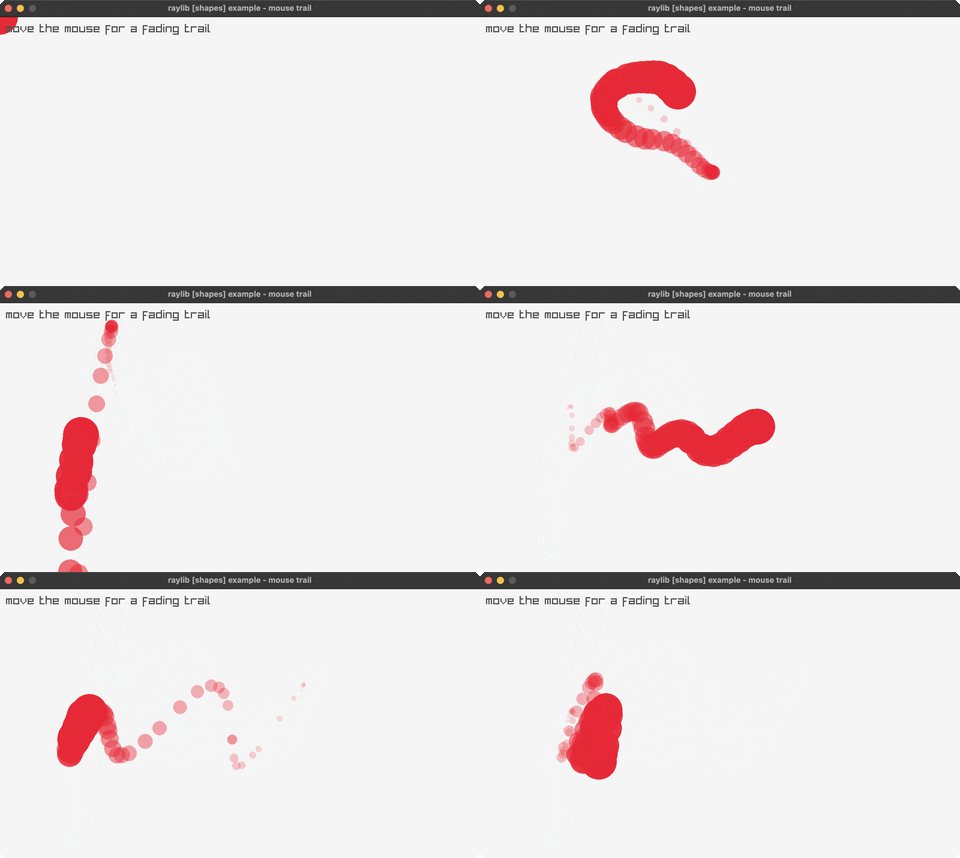 | mouse-trail | a fading cursor trail (alpha) |
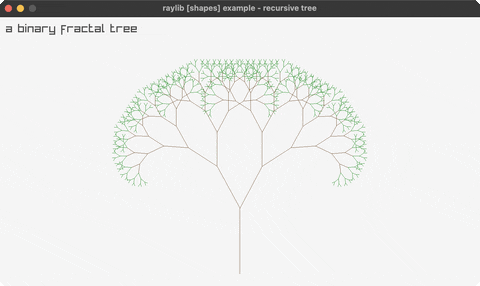 | recursive-tree | a binary fractal tree (lines + trig) |
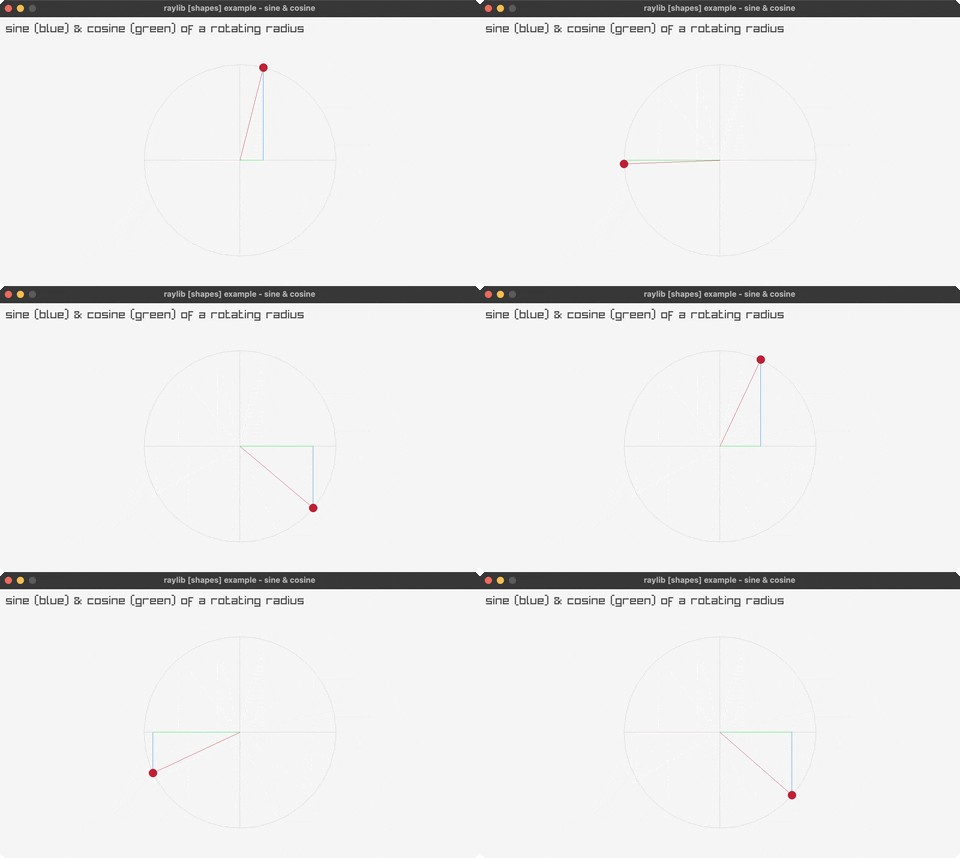 | math-sine-cosine | a live unit-circle sine/cosine visualization |
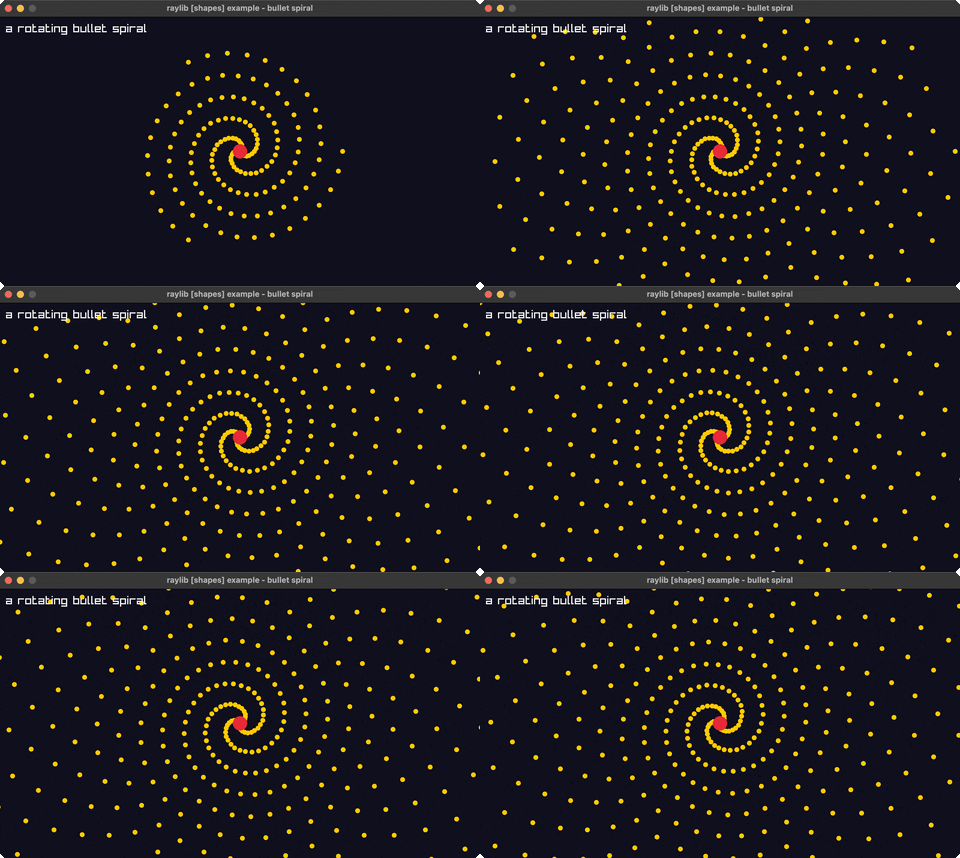 | bullet-hell | a rotating bullet spiral |
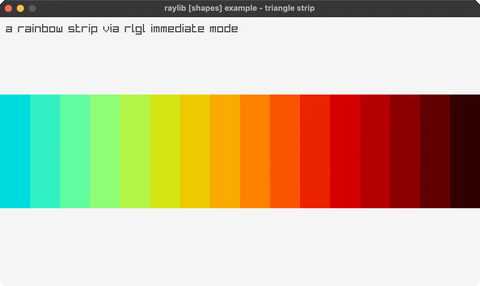 | triangle-strip | a rainbow strip via rlgl immediate mode |
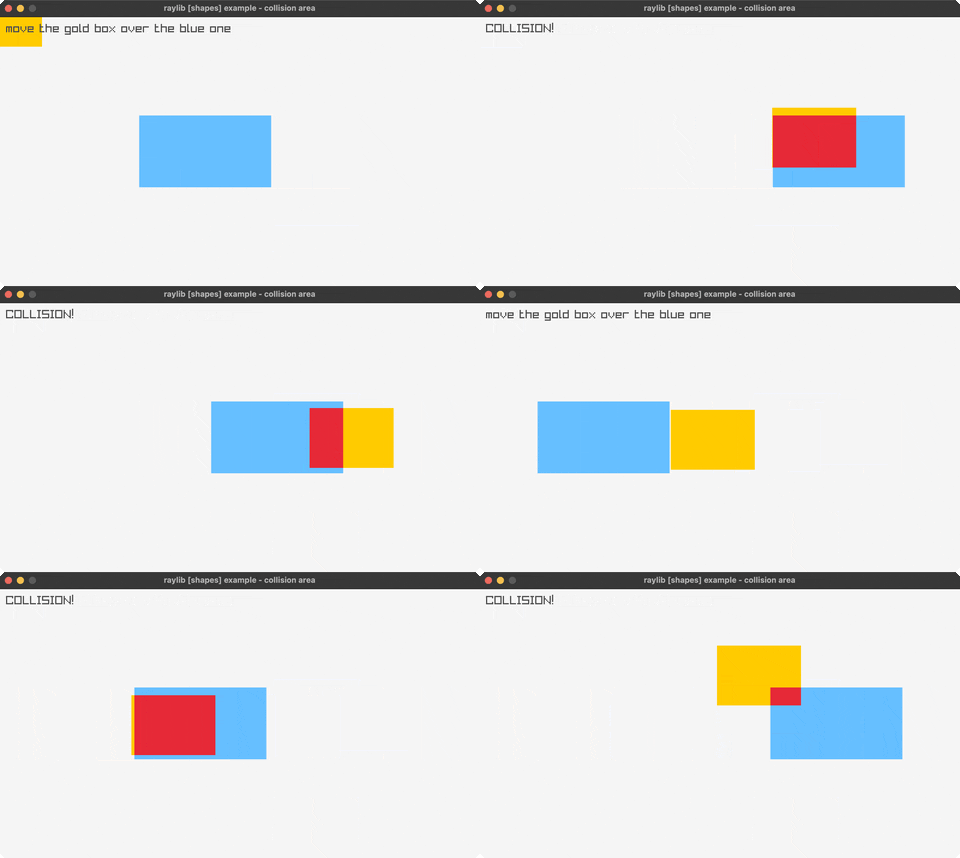 | collision-area | AABB collision between two boxes |
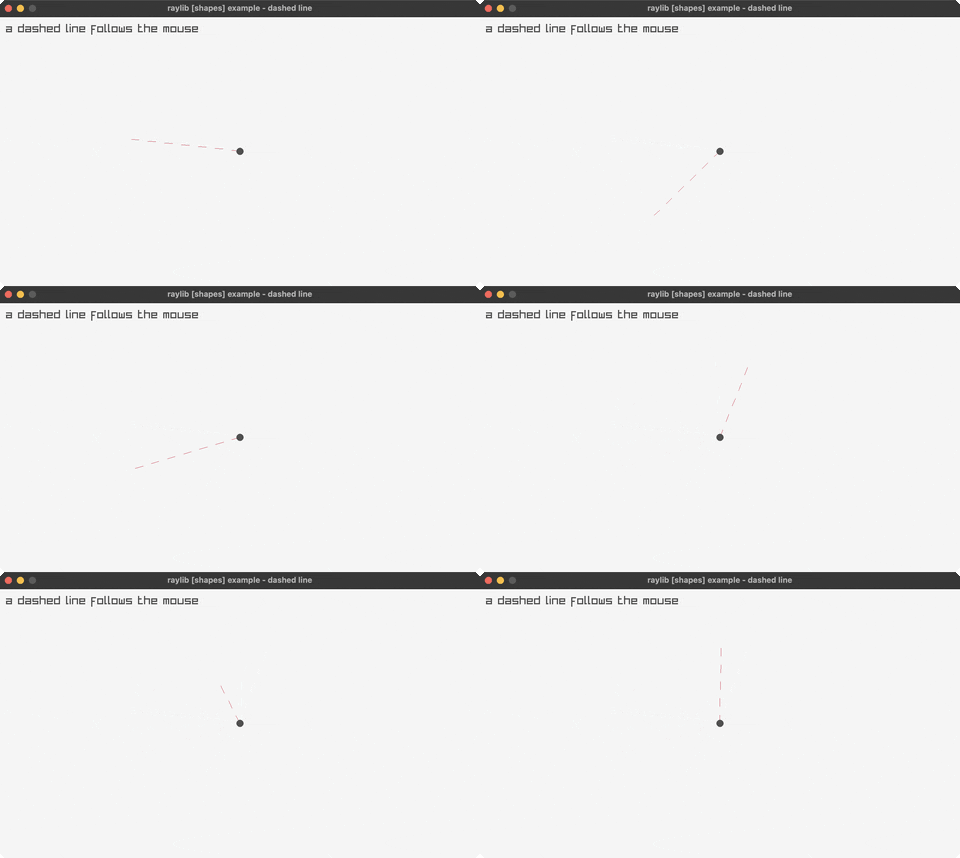 | dashed-line | a dashed line follows the mouse |
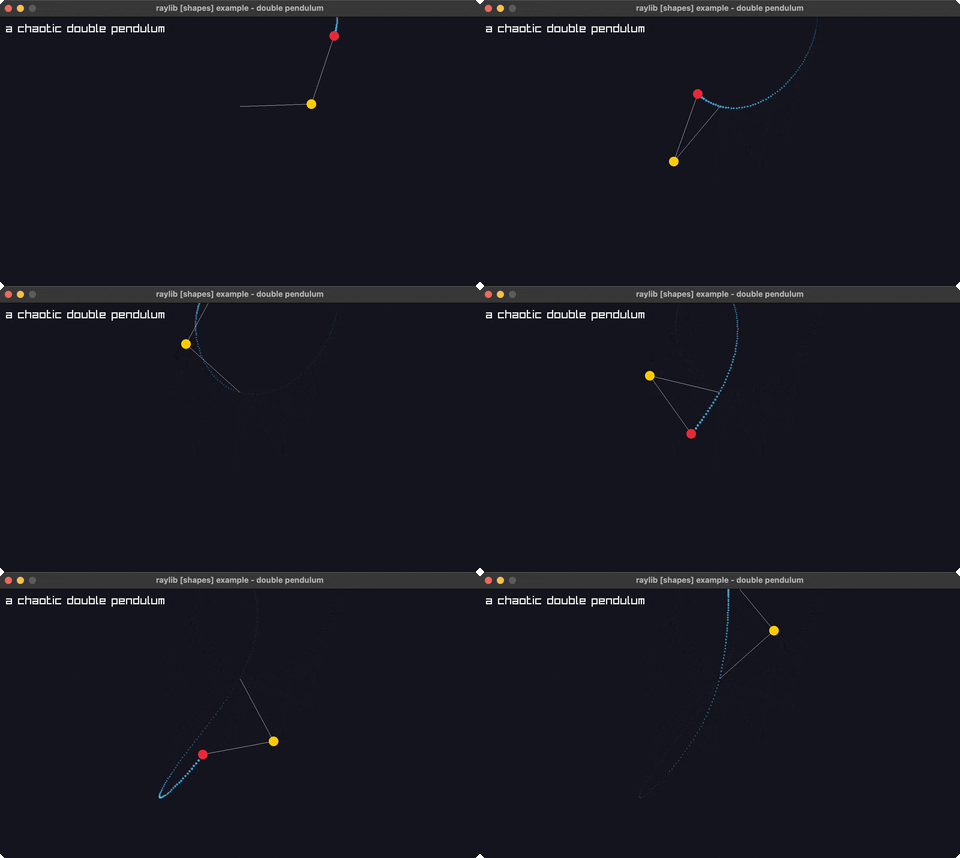 | double-pendulum | chaotic double-pendulum motion + trail |
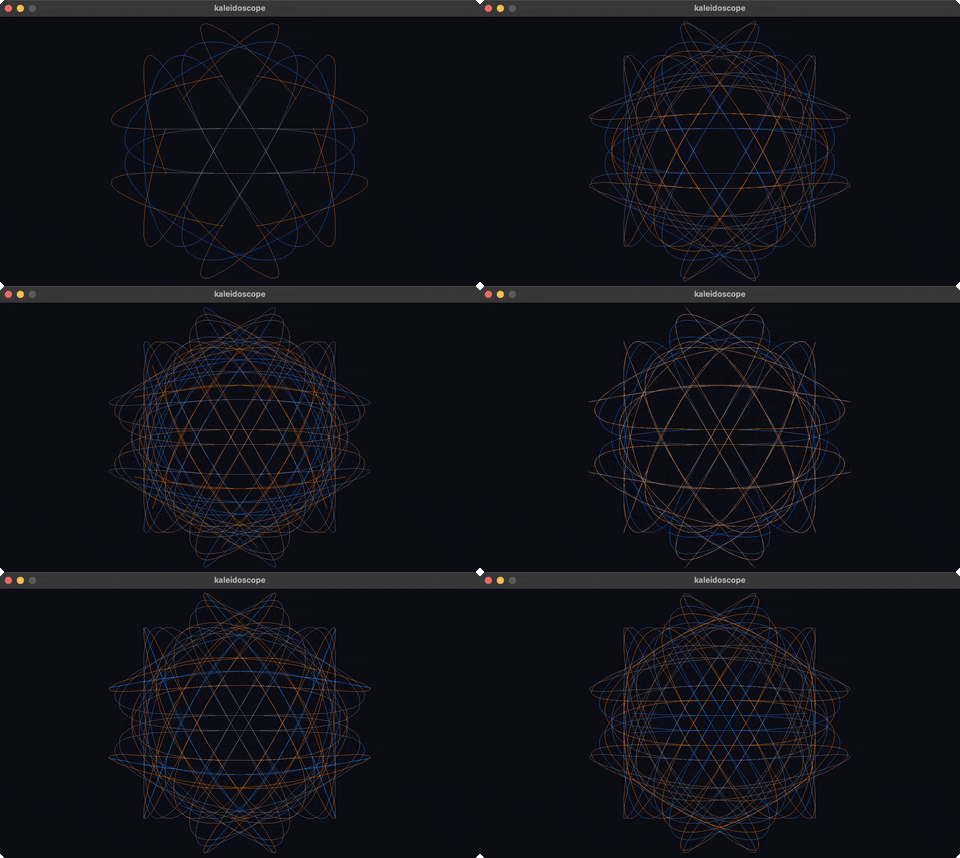 | kaleidoscope | strokes mirrored with 6-fold symmetry |
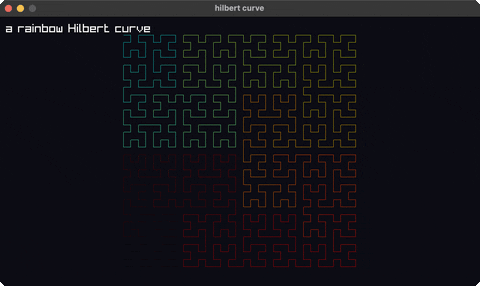 | hilbert-curve | a rainbow Hilbert space-filling curve |
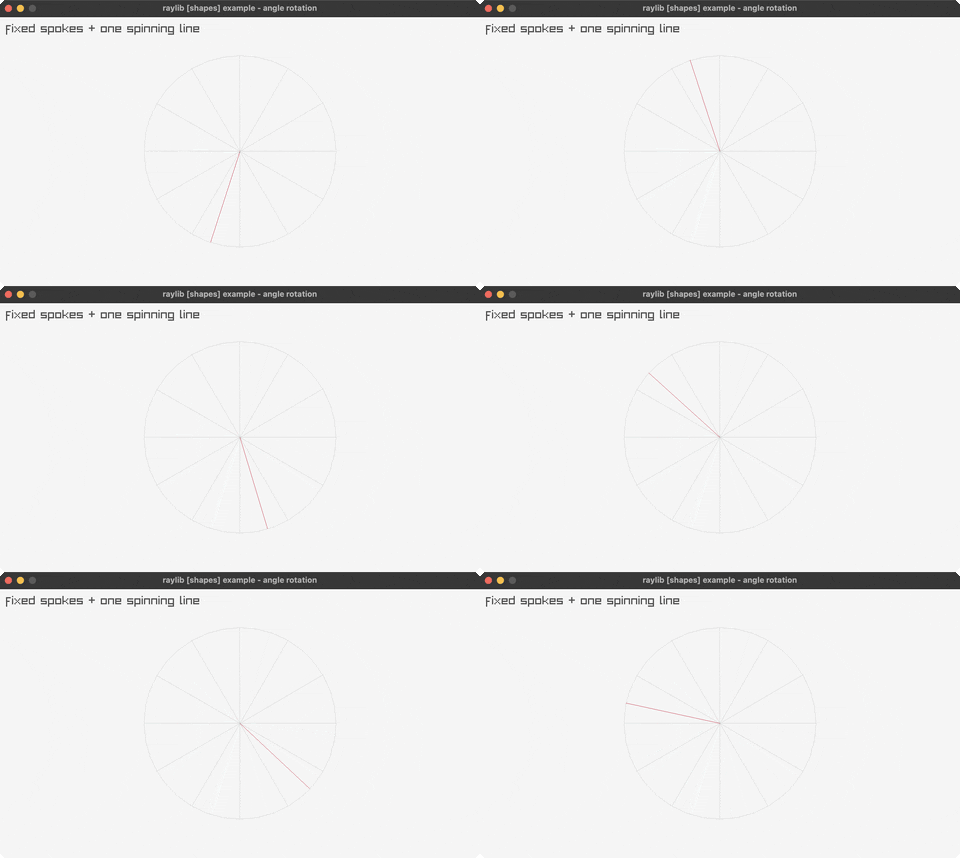 | math-angle-rotation | fixed spokes + a spinning line |
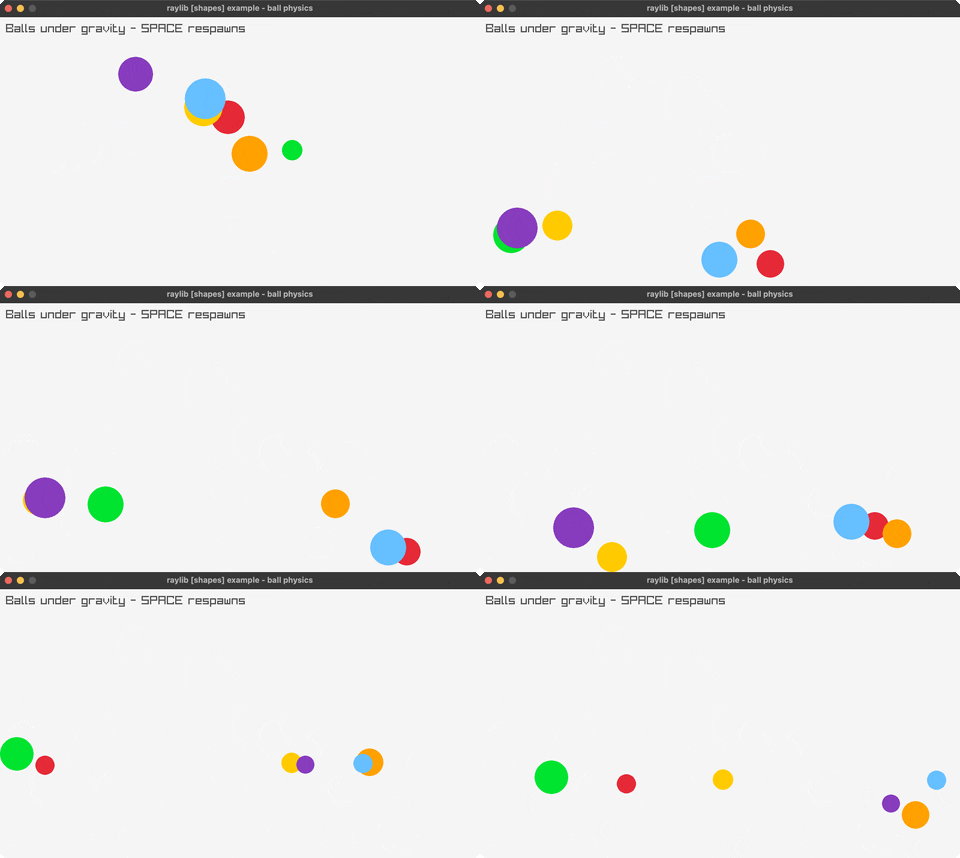 | ball-physics | 2D balls under gravity, SPACE respawns |
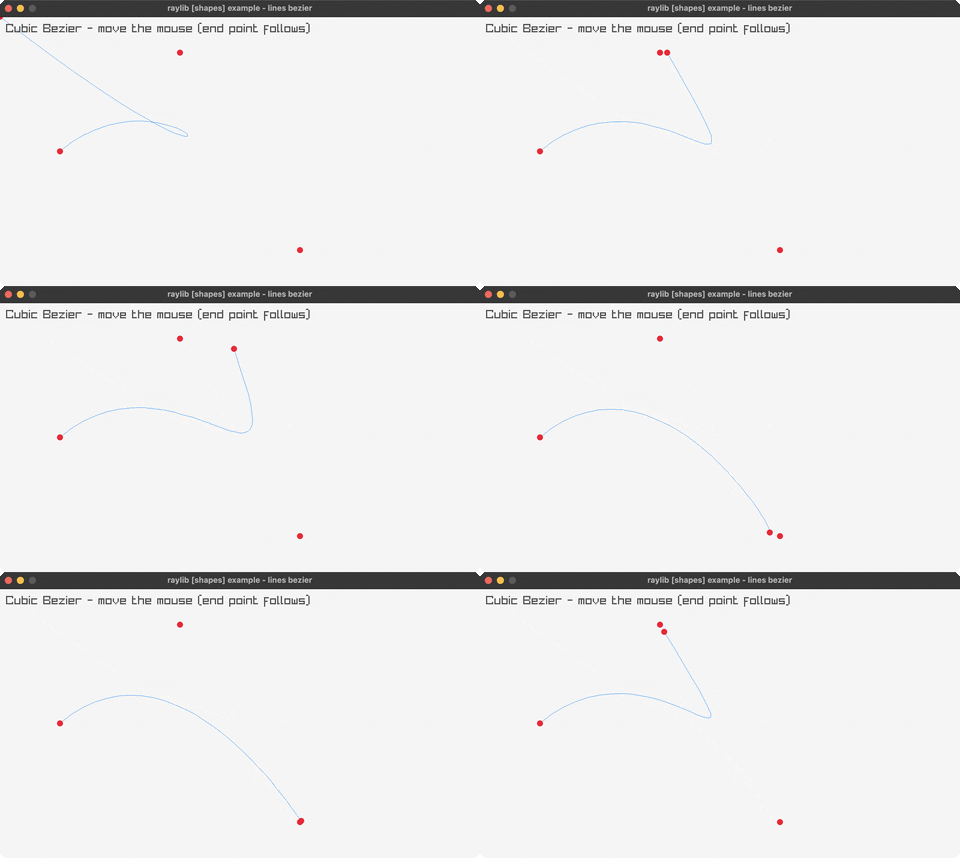 | lines-bezier | a cubic Bézier that follows the mouse |
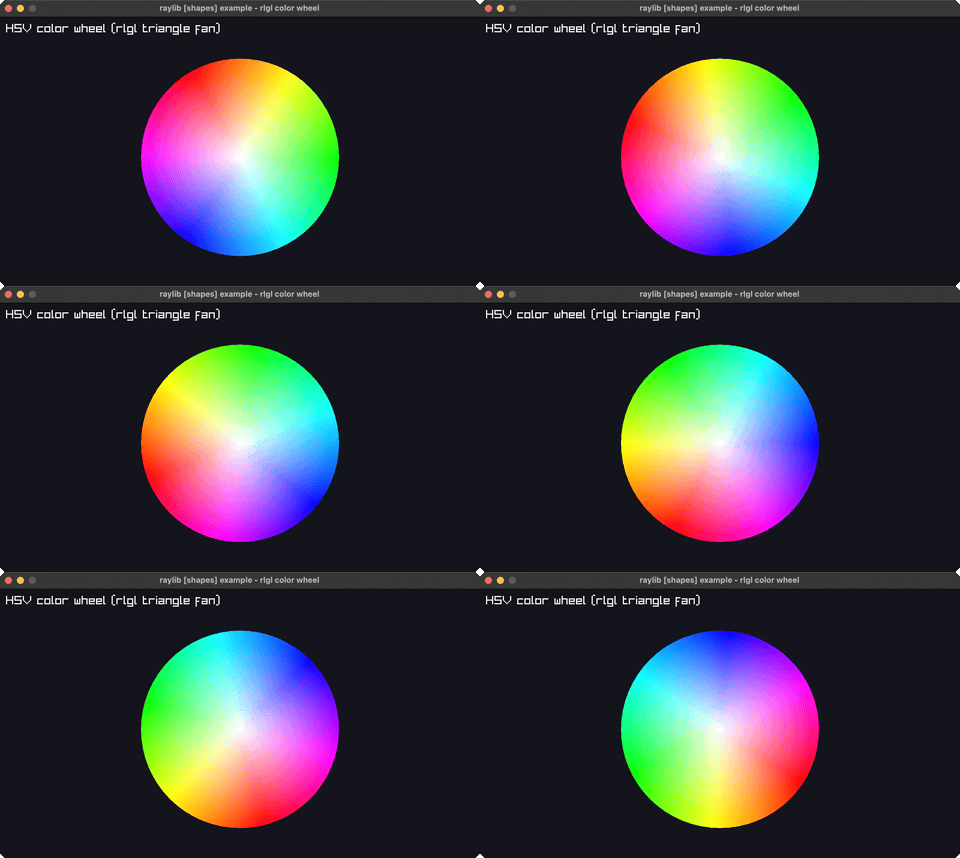 | color-wheel | an HSV wheel as an rlgl triangle fan |
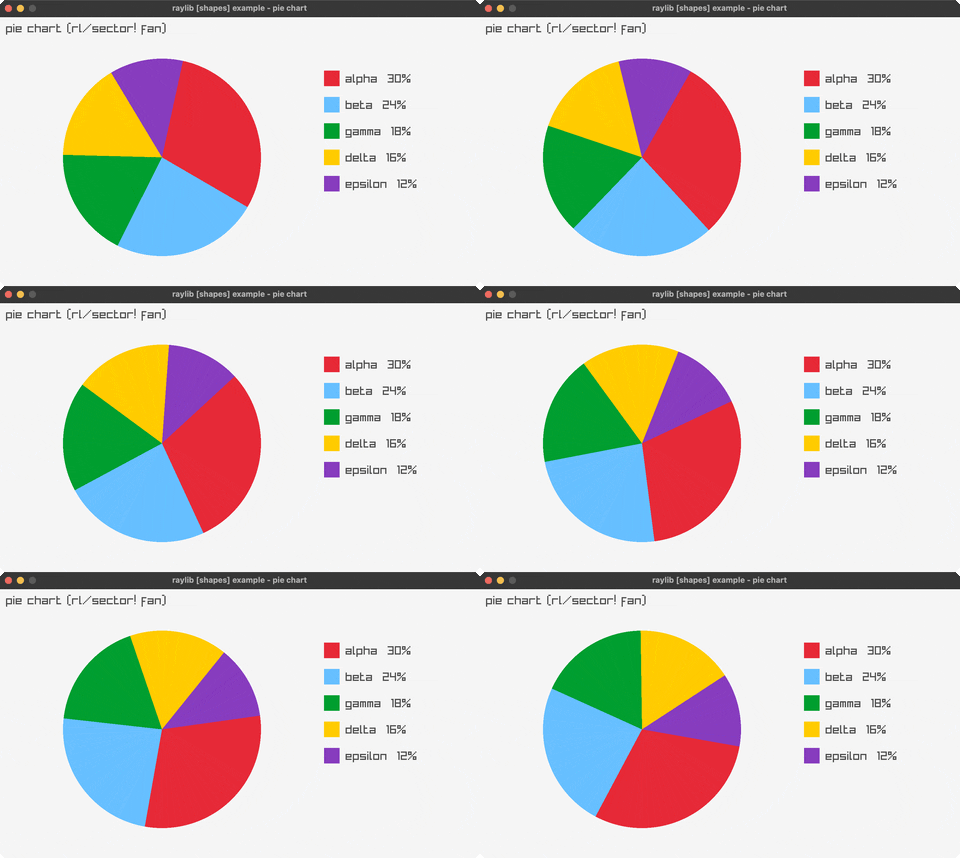 | pie-chart | labelled pie slices via rl/sector! + a legend |
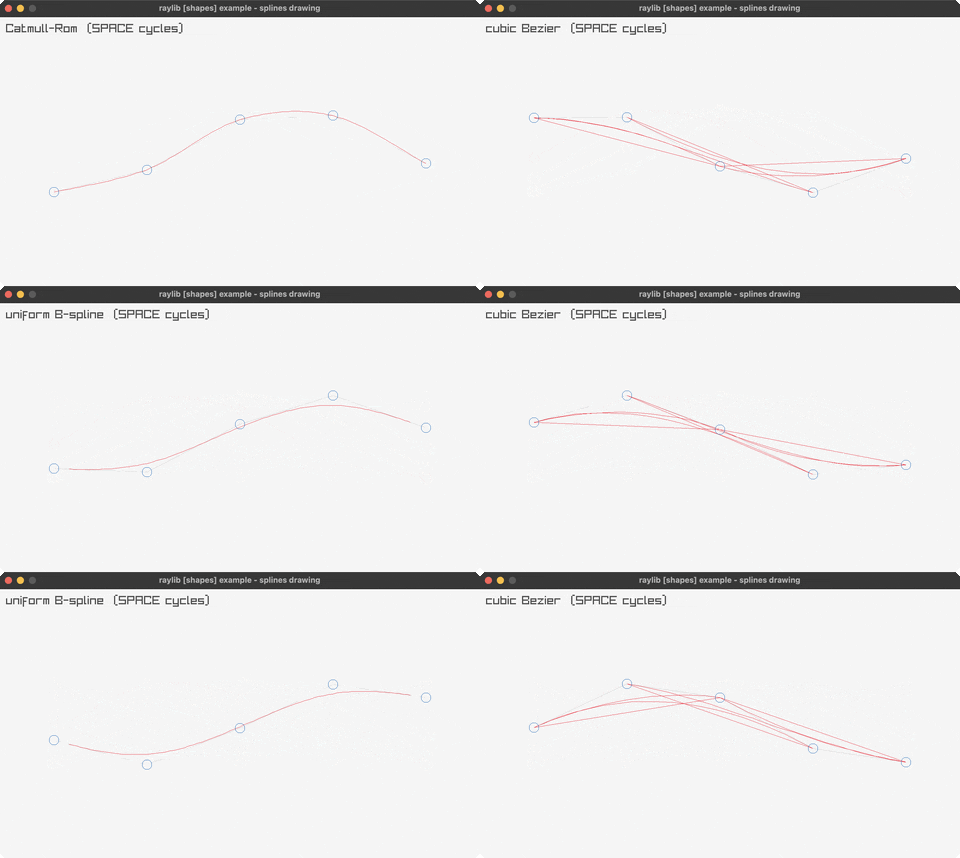 | splines | Catmull-Rom / Bézier / B-spline (SPACE cycles) |
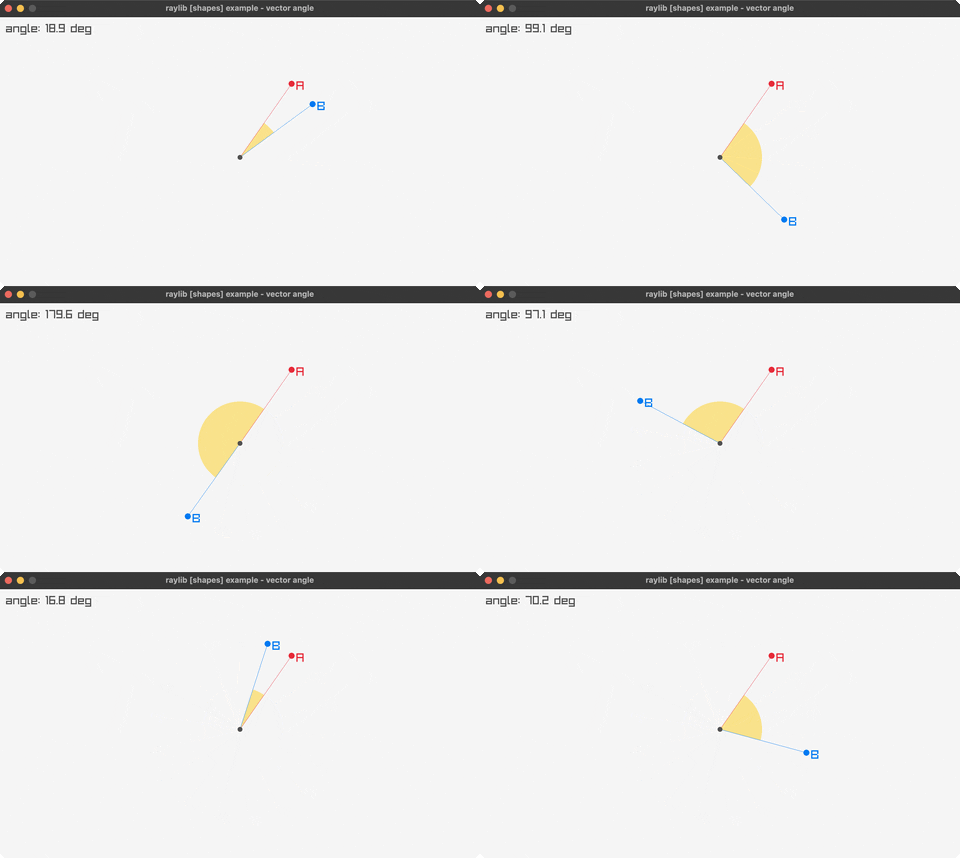 | vector-angle | the signed angle between two vectors (atan2) |
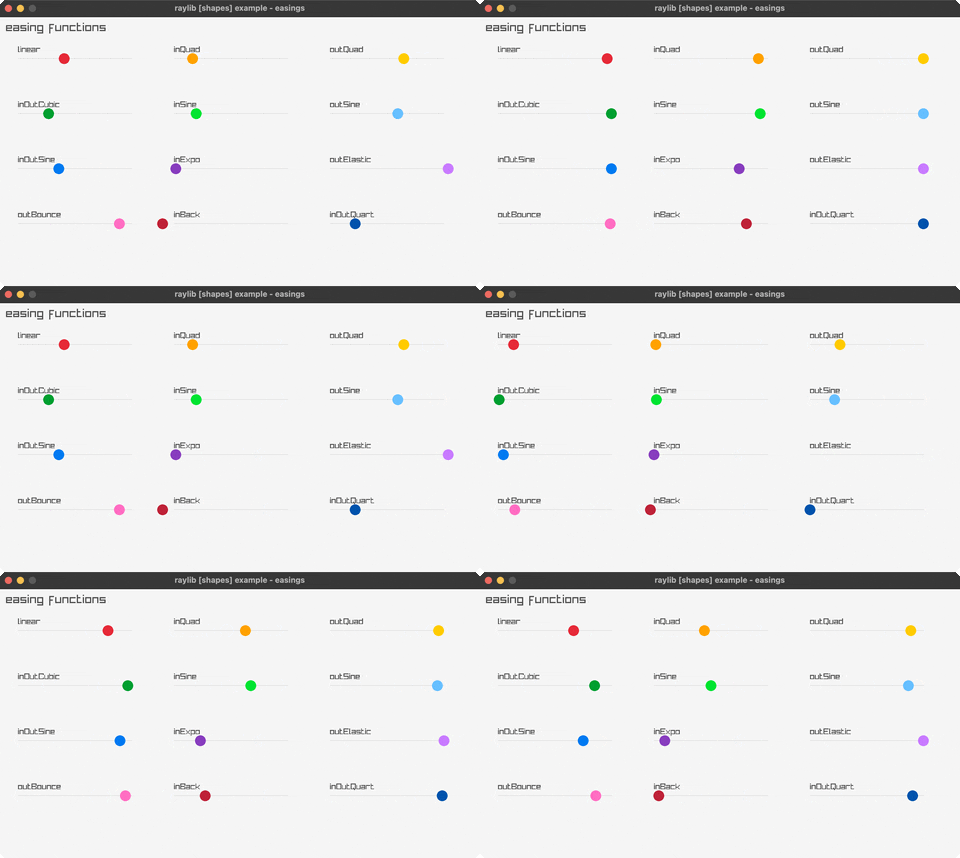 | easings | a grid of balls, each on a different easing |
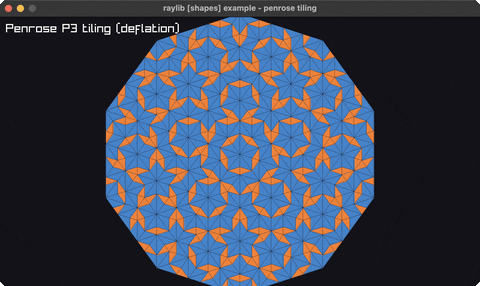 | penrose-tiling | a P3 Penrose tiling by golden-ratio deflation |
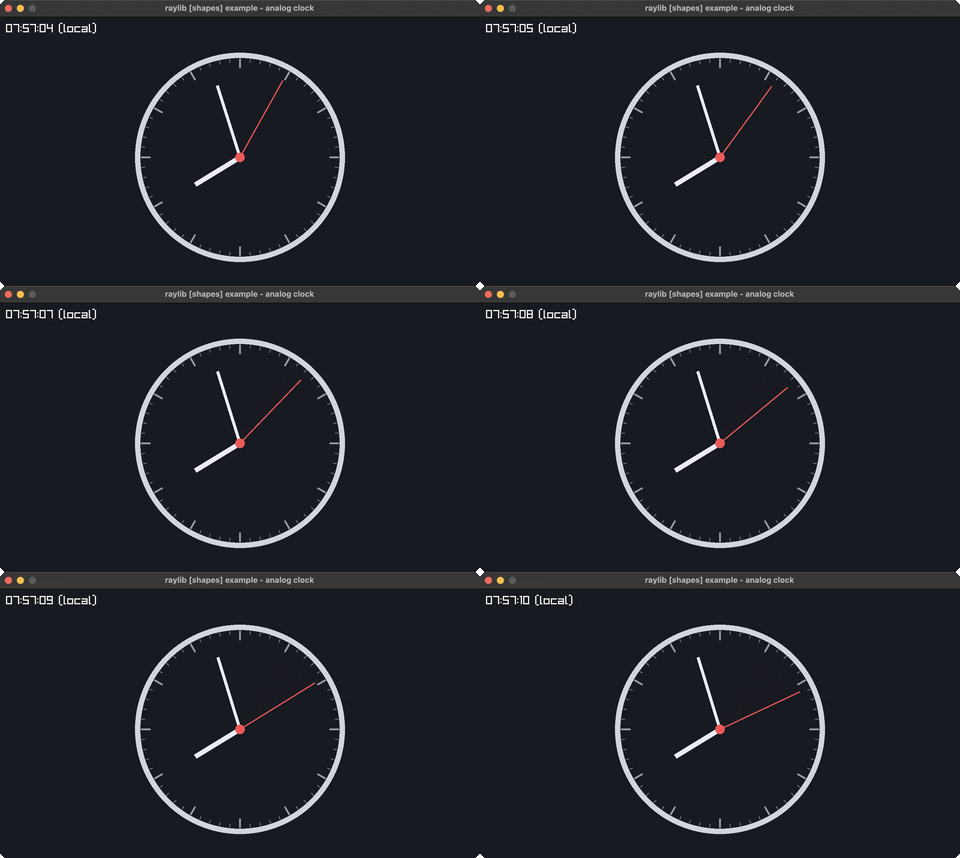 | analog-clock | a live analog clock (libc local time) |
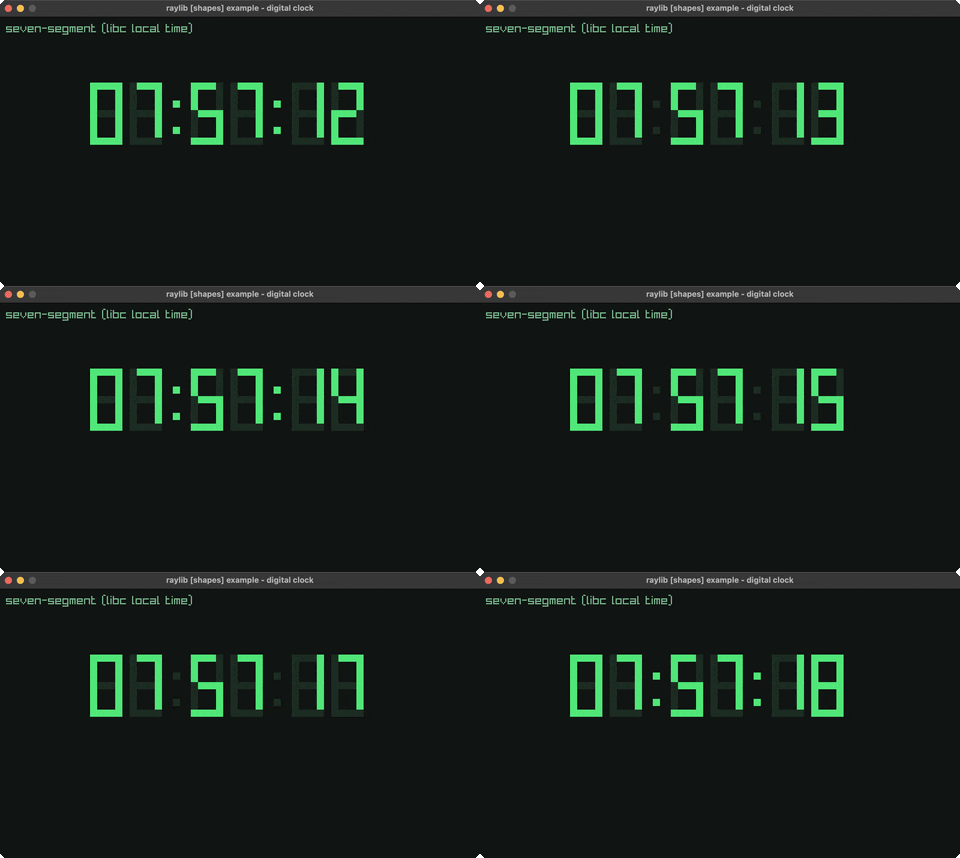 | digital-clock | a seven-segment HH:MM:SS display |
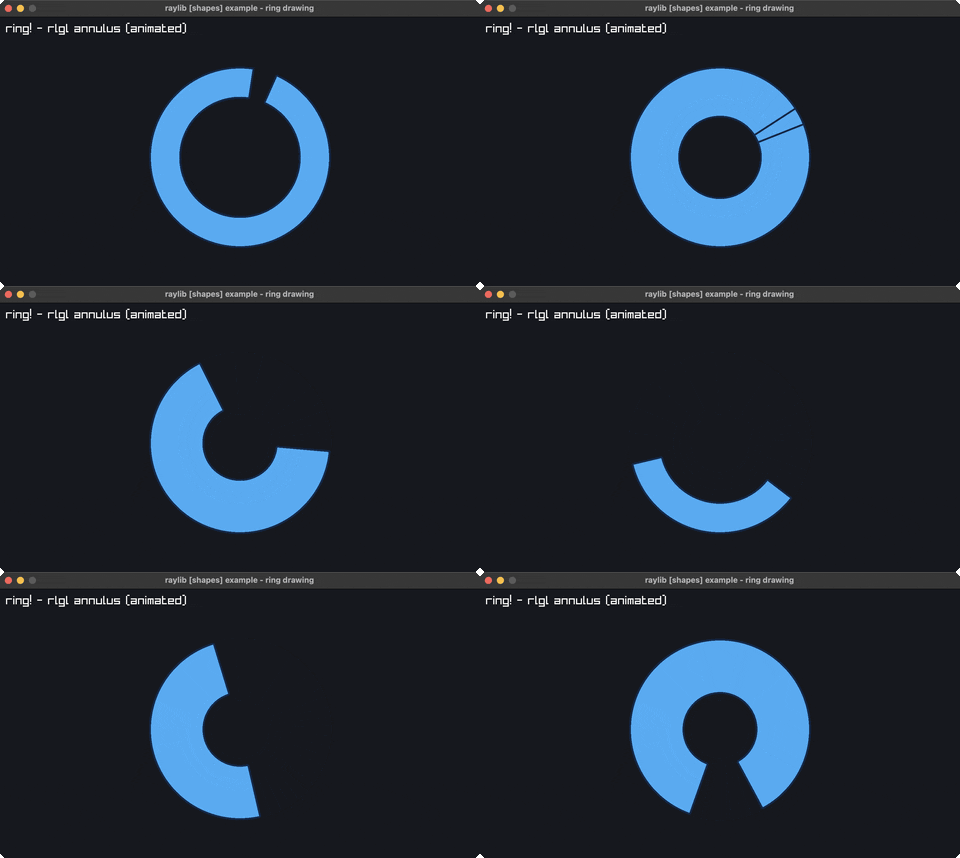 | ring-drawing | an animated annulus via rl/ring! |
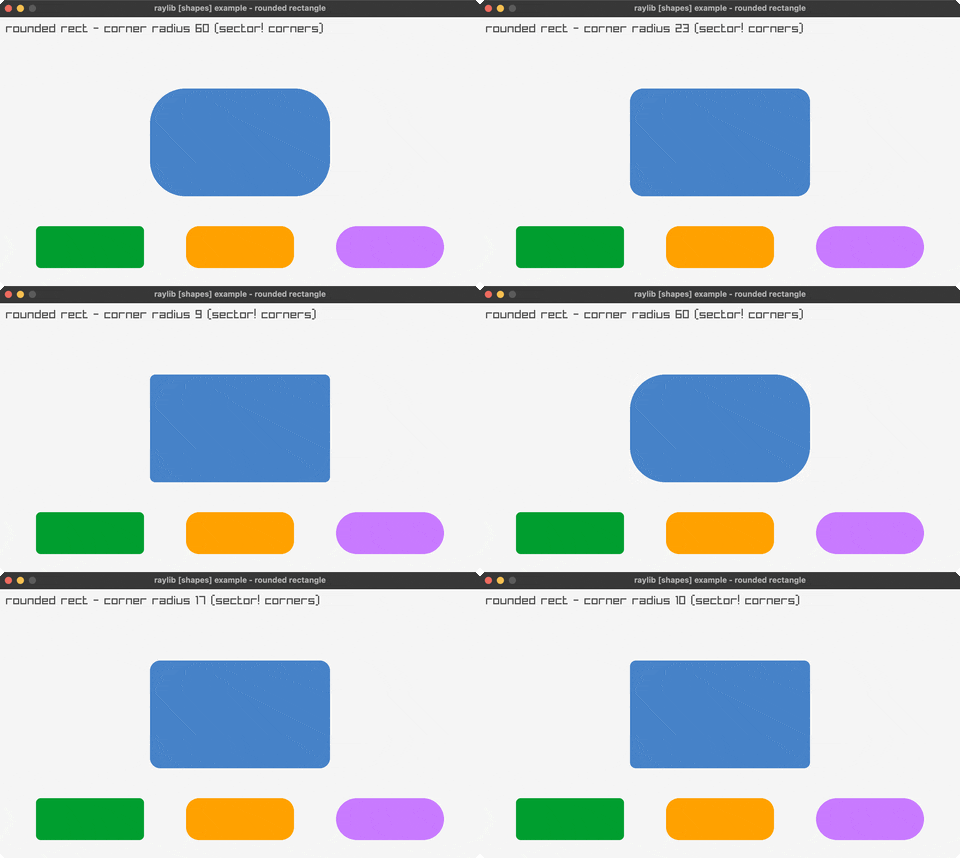 | rounded-rectangle | rounded rects from sector! corners |
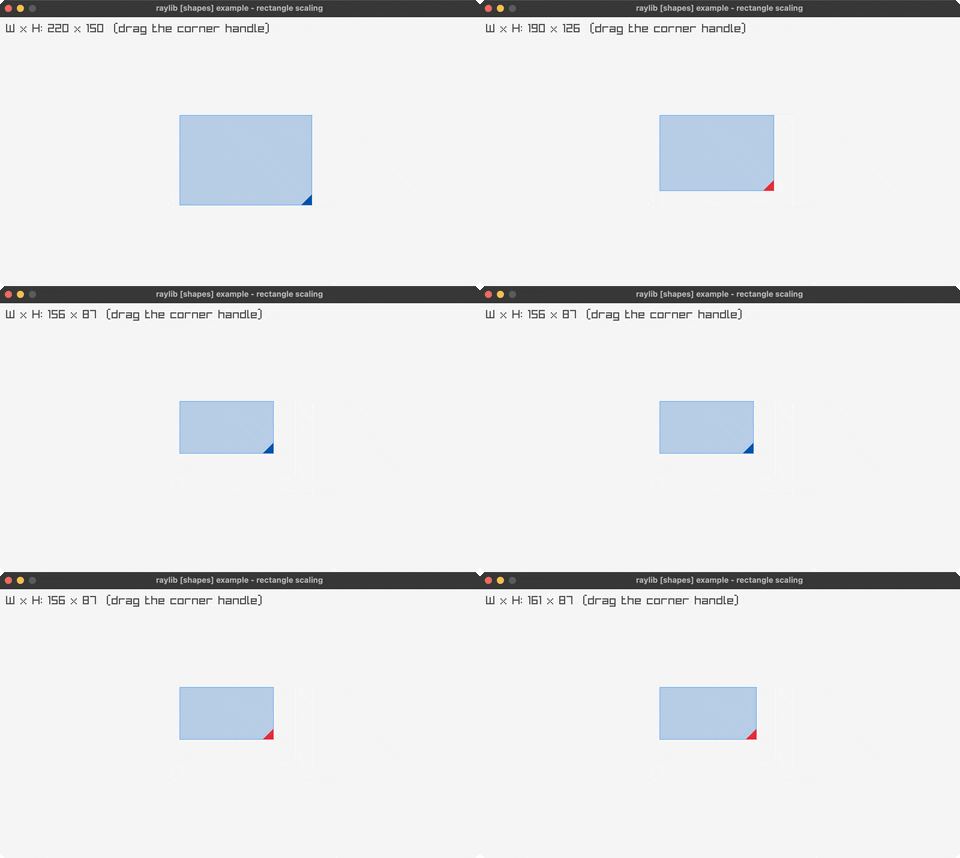 | rectangle-scaling | drag the corner handle to resize a rect |
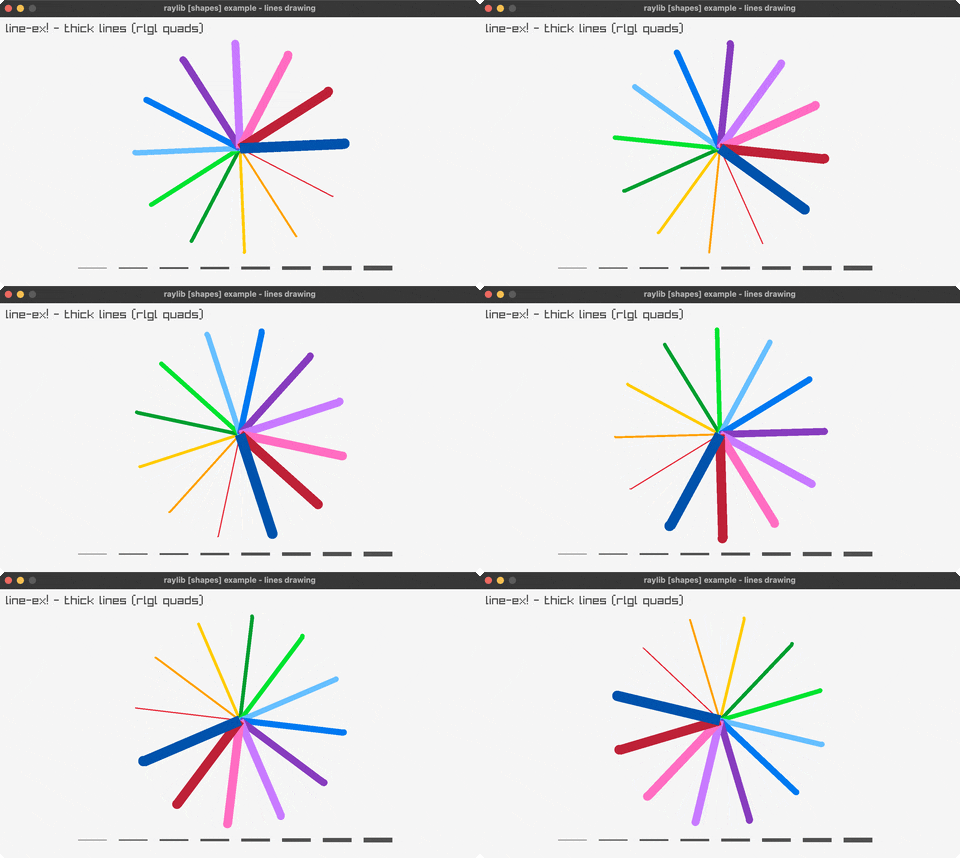 | lines-drawing | a rotating fan of thick rl/line-ex! lines |
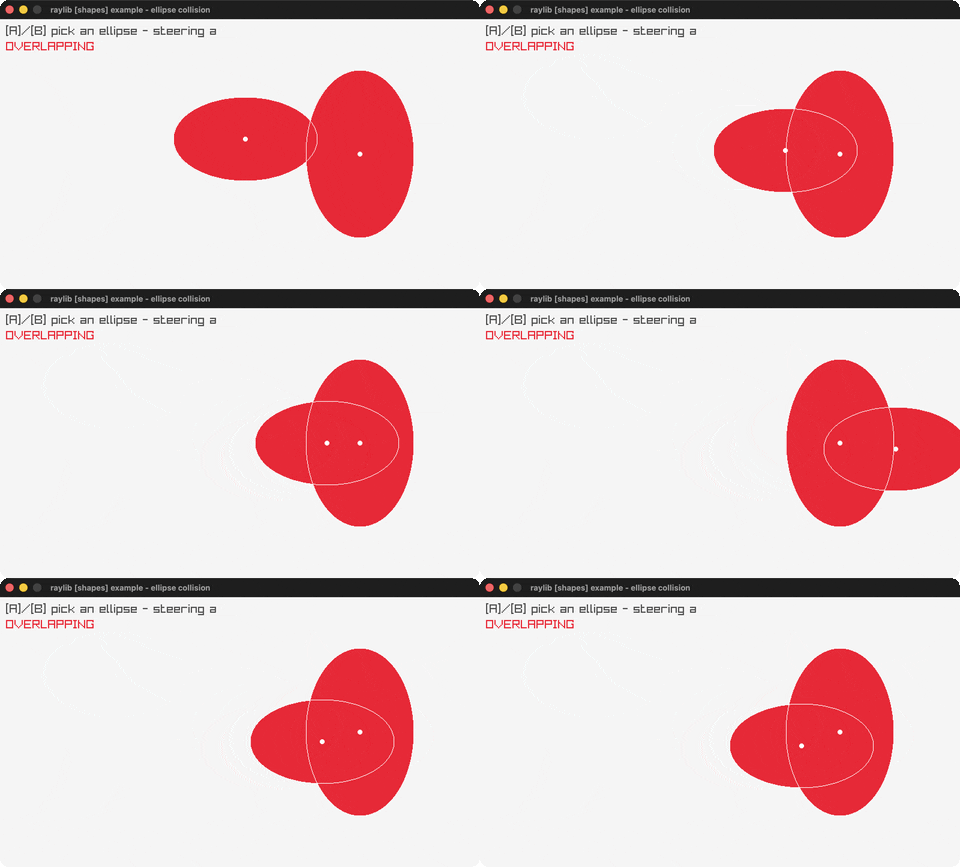 | ellipse-collision | two ellipses reddening when they overlap |
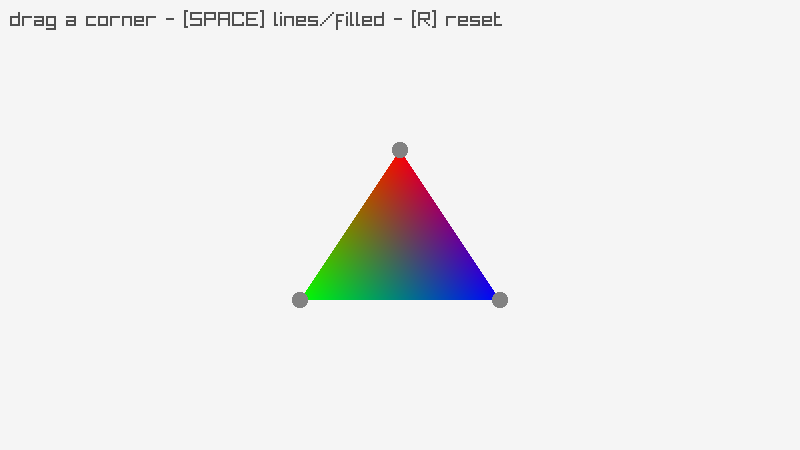 | rlgl-triangle | per-vertex colour interpolated across a face |
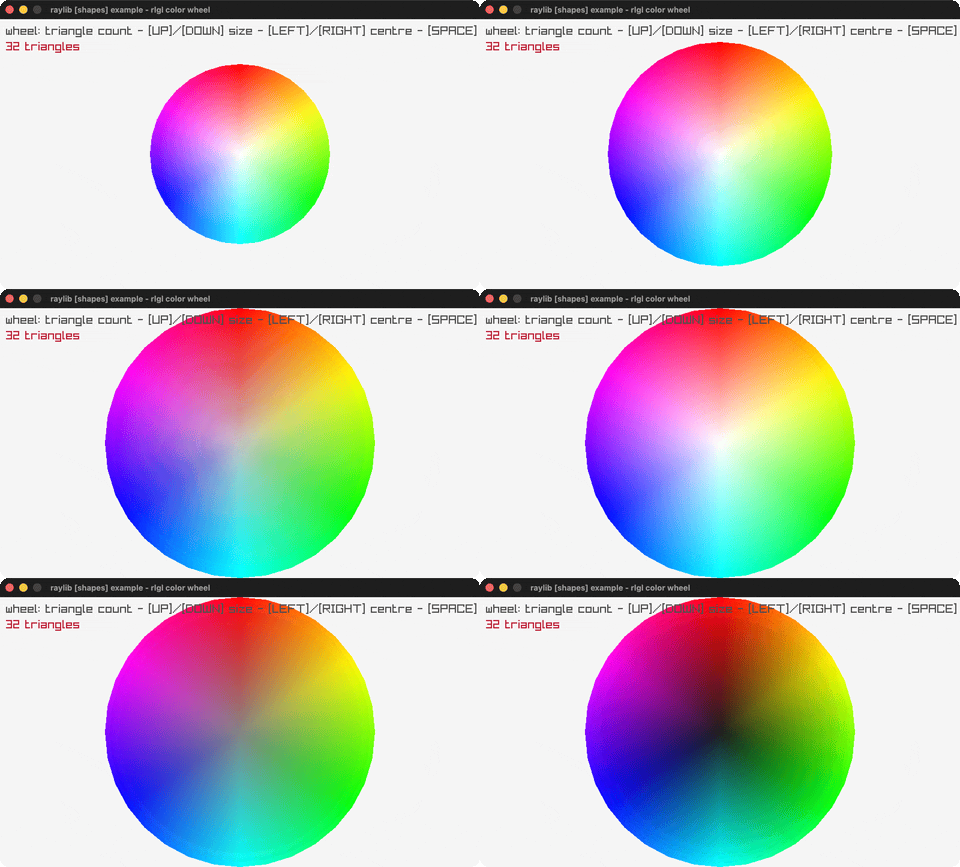 | rlgl-color-wheel | a hue wheel as a triangle fan |
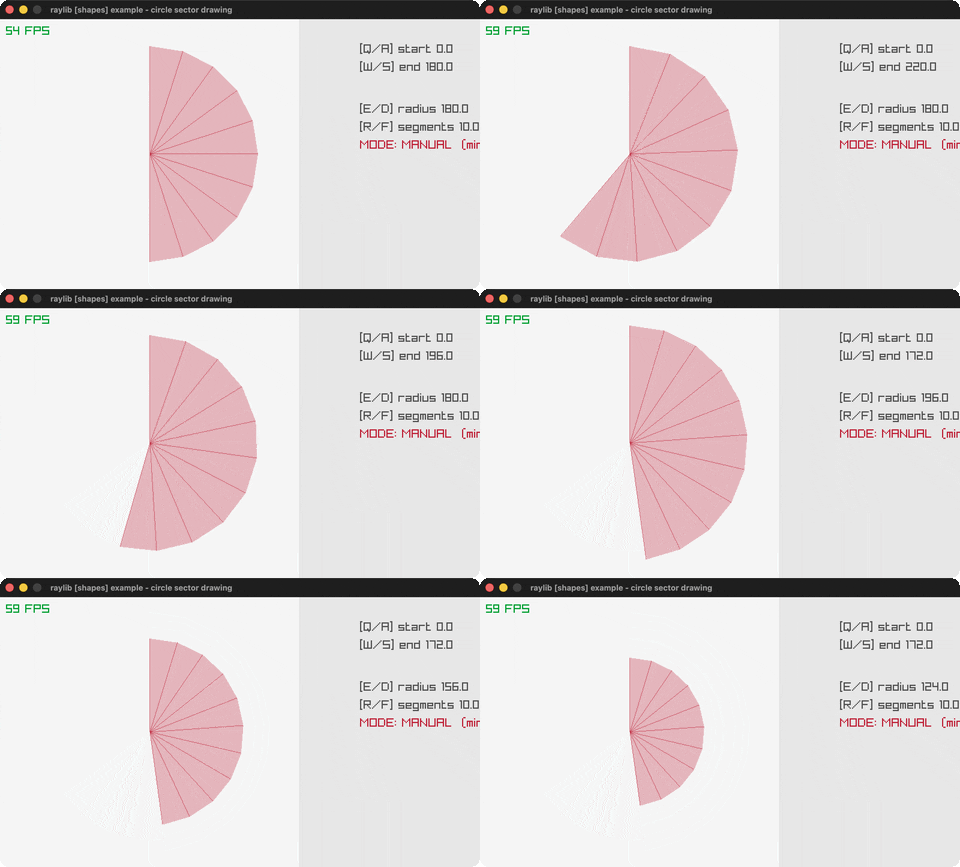 | circle-sector-drawing | a sector starved of segments |
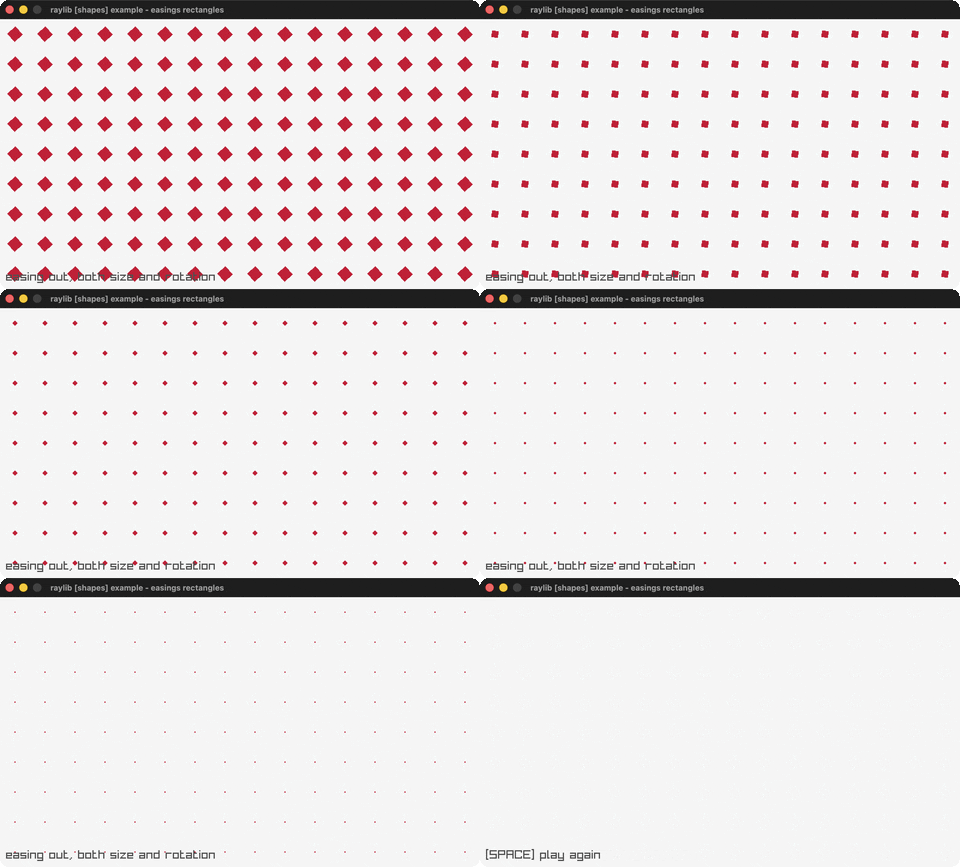 | easings-rectangles | size and rotation on one easing curve |
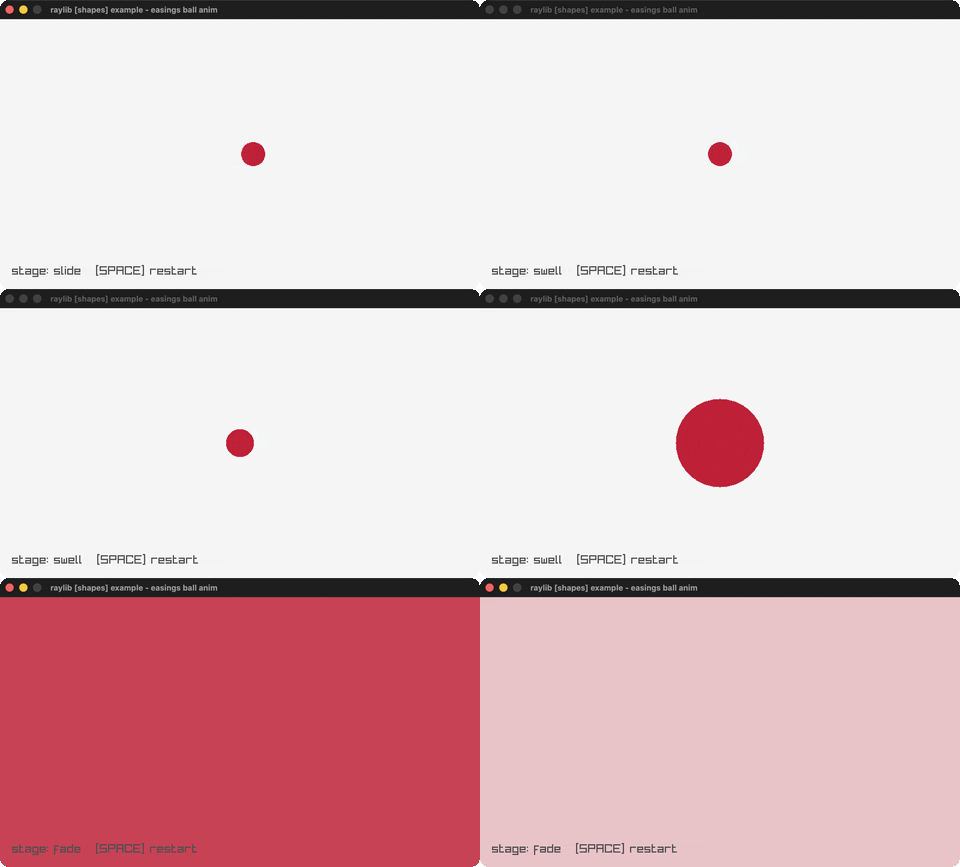 | easings-ball | slide, swell and fade, one curve each |
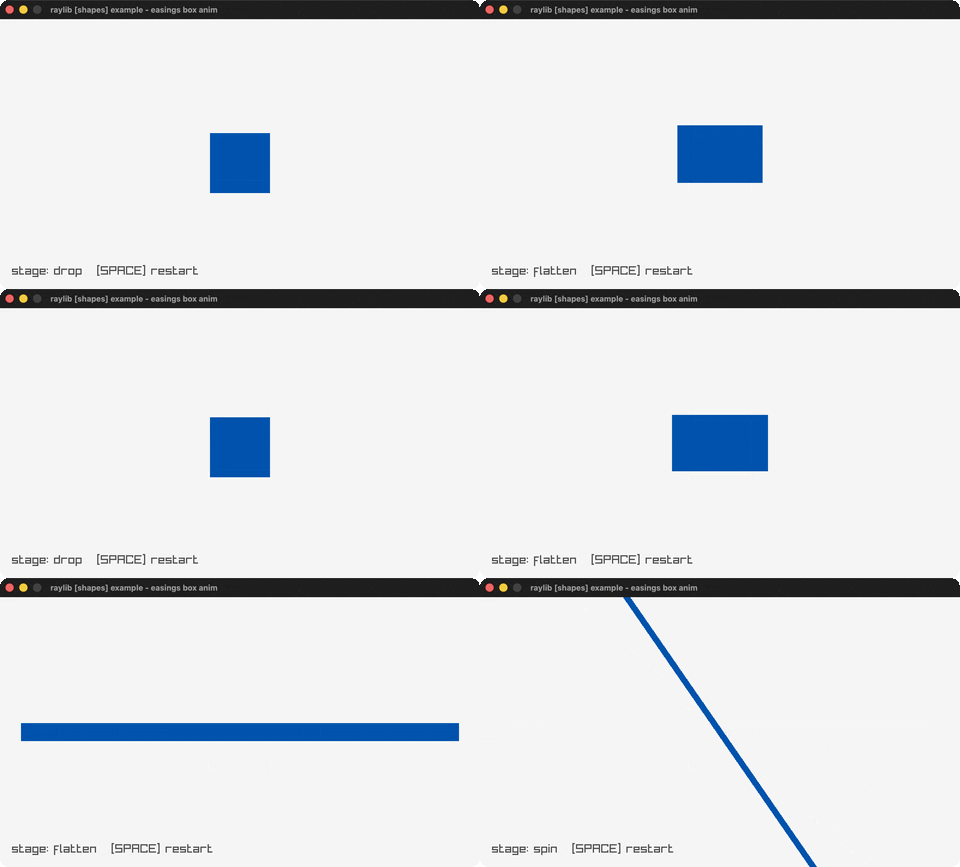 | easings-box | drop, flatten, spin, grow, fade: five curves |
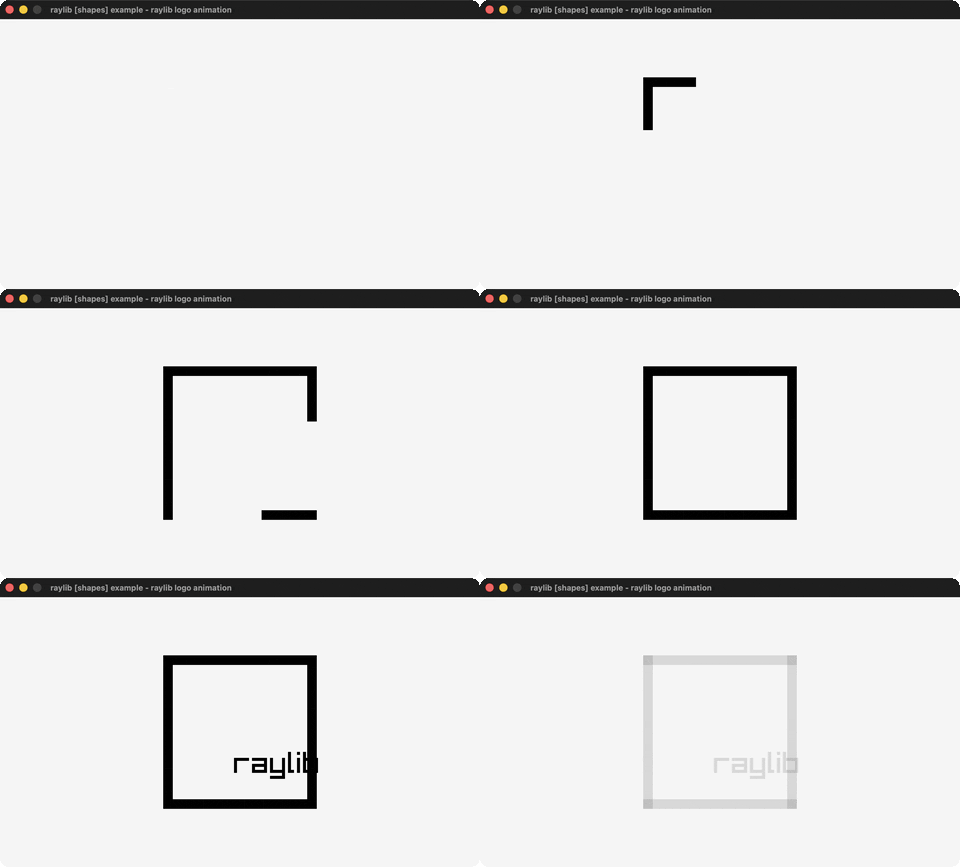 | logo-anim | the raylib logo assembling itself, unsmoothed |
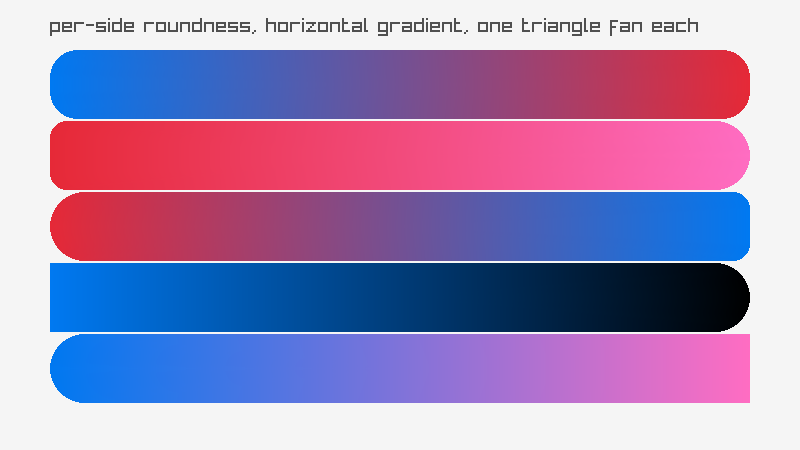 | rectangle-advanced | per-side roundness with a horizontal gradient |
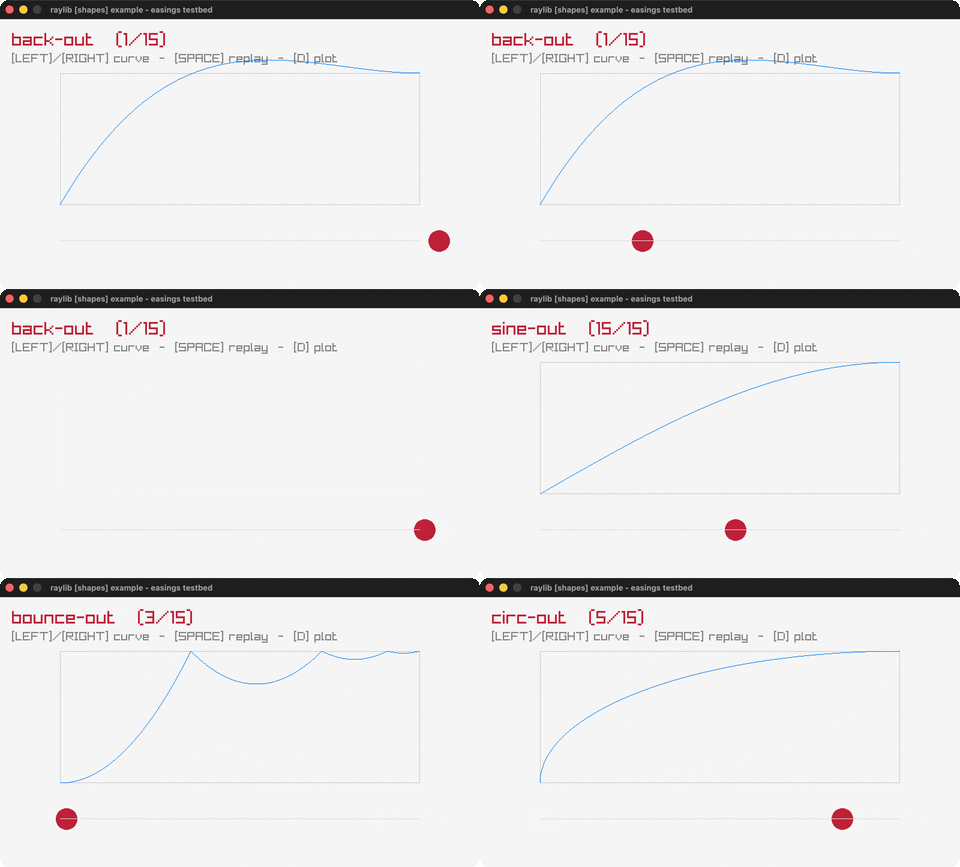 | easings-testbed | one curve at a time, plotted and run |
text (5)
| preview | bb name | shows |
|---|---|---|
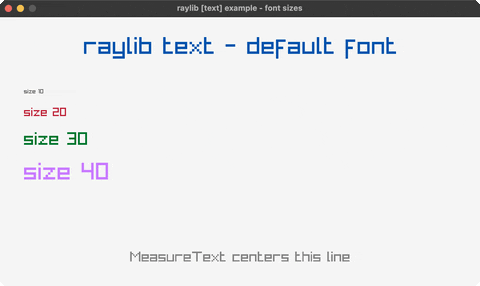 | font-sizes | font sizes + MeasureText centering |
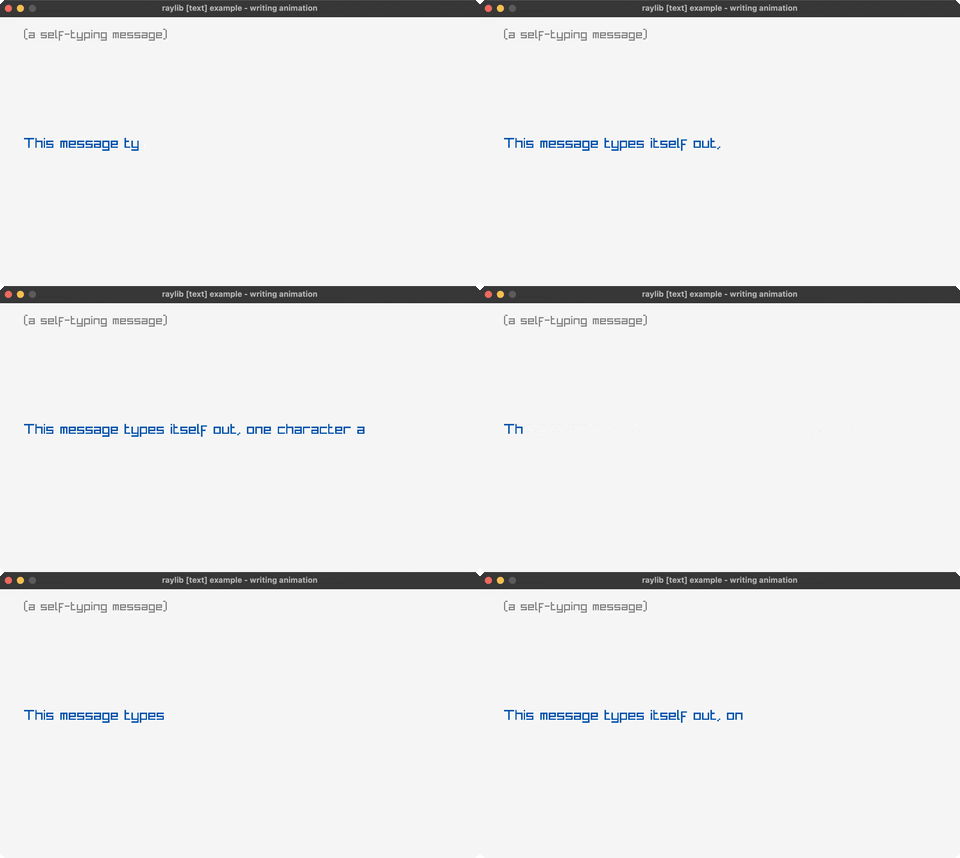 | writing-anim | a self-typing message |
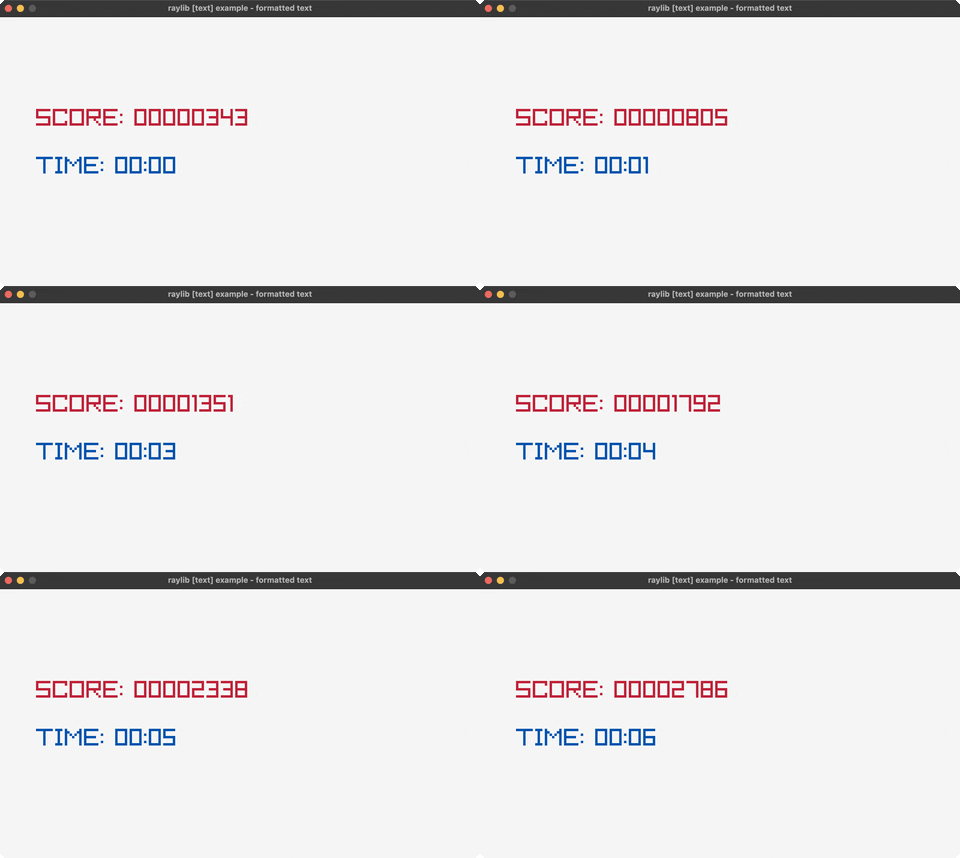 | format-text | format padded score + MM:SS timer |
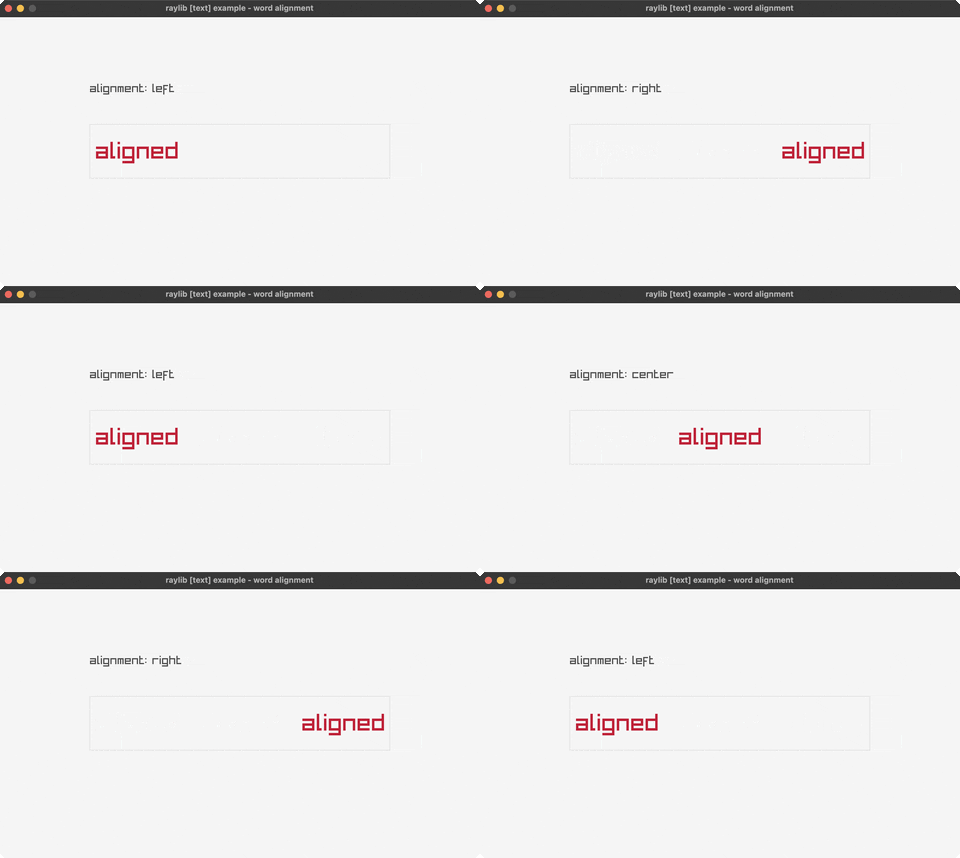 | words-alignment | align a word inside a box with MeasureText |
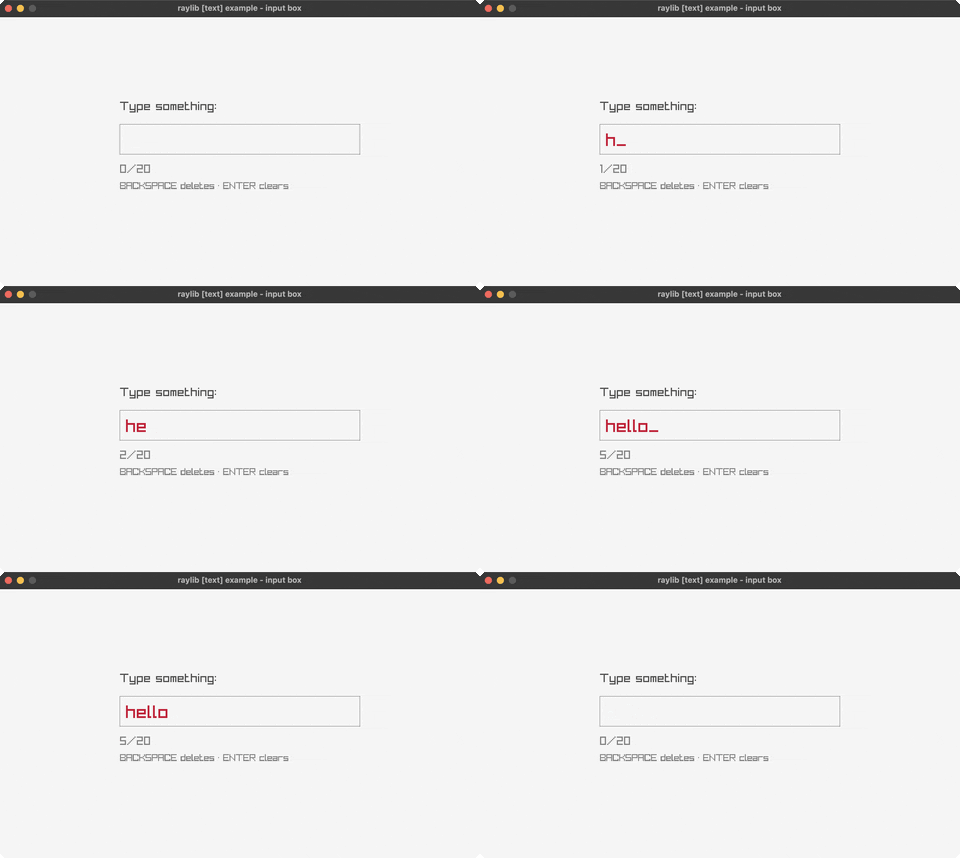 | input-box | type into a text box (GetCharPressed) |
3d (16)
| preview | bb name | shows |
|---|---|---|
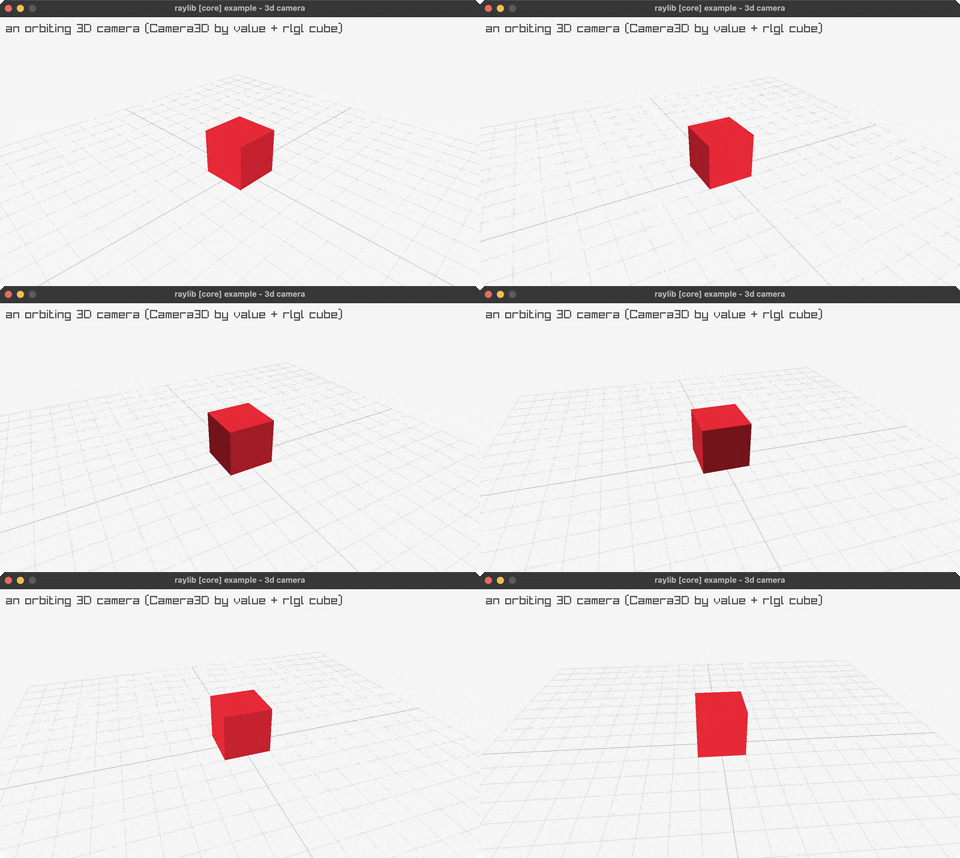 | camera-3d | an orbiting 3D camera, Camera3D by value |
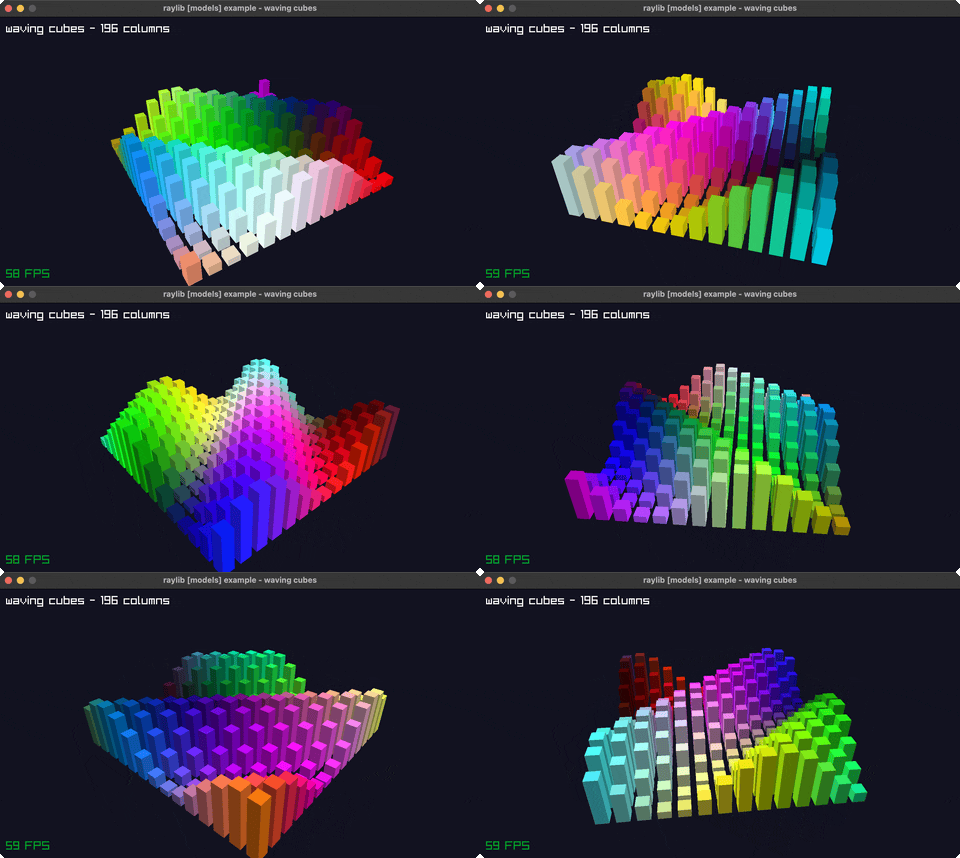 | waving-cubes | 196 cubes rippling in 3D (shared rl/cube!) |
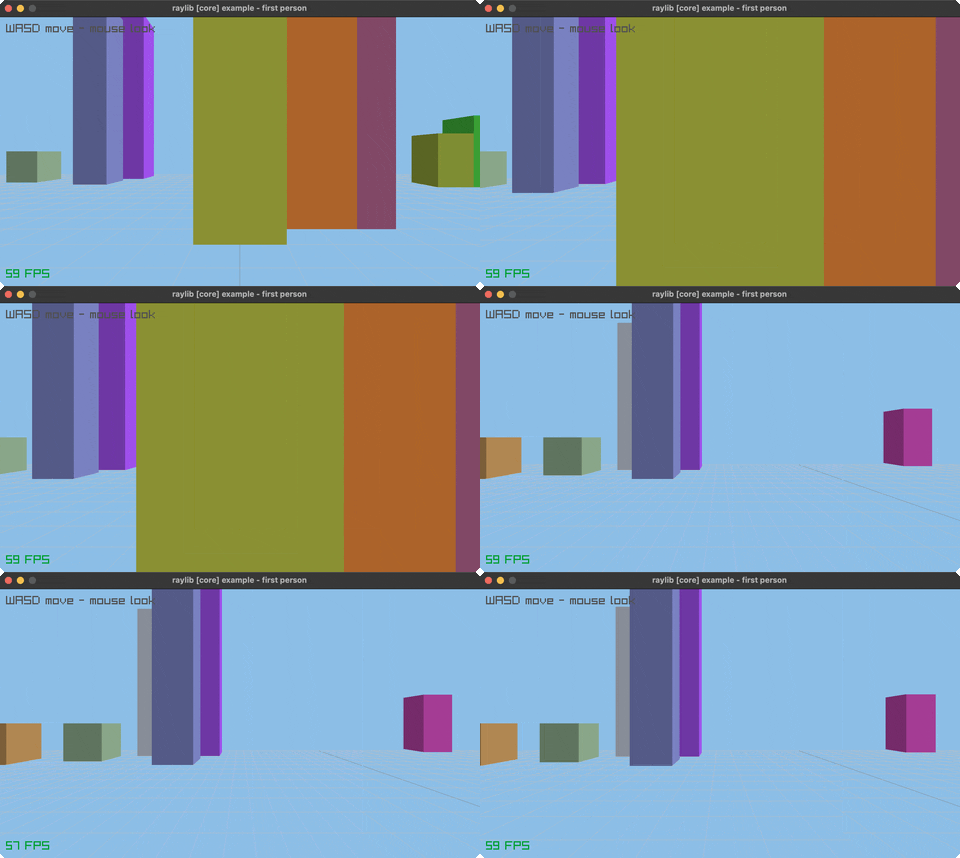 | camera-3d-first-person | WASD + mouse-look walk through columns |
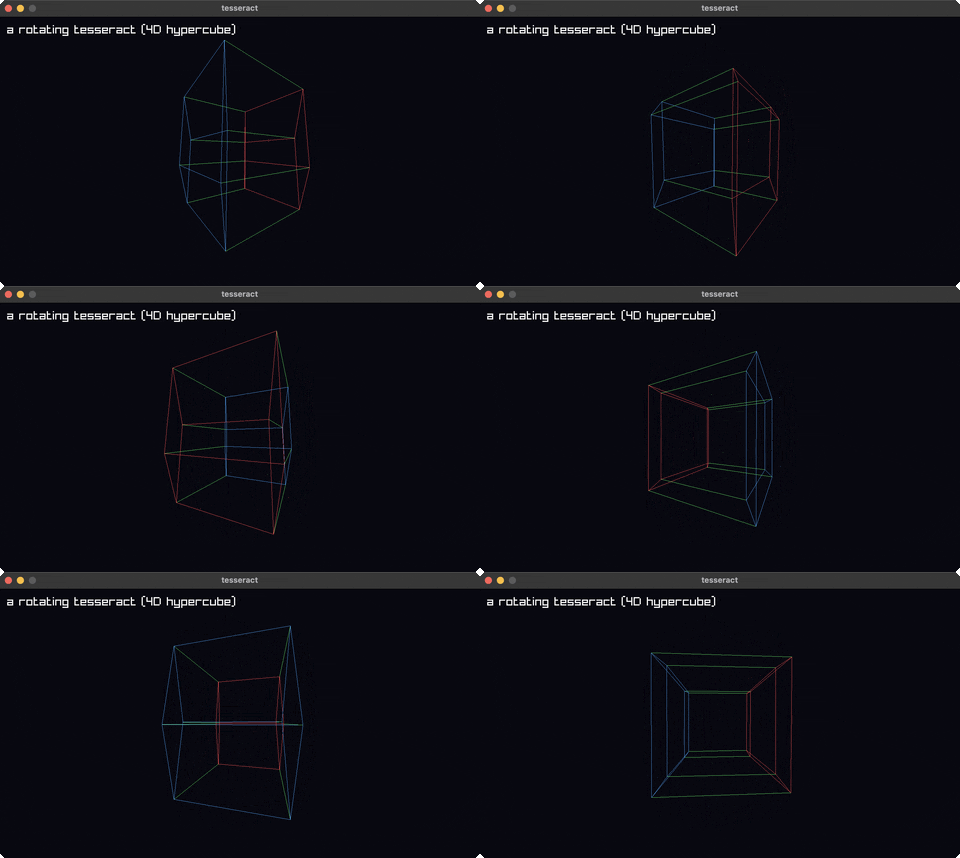 | tesseract-view | a rotating 4D hypercube projected 4D→3D→2D |
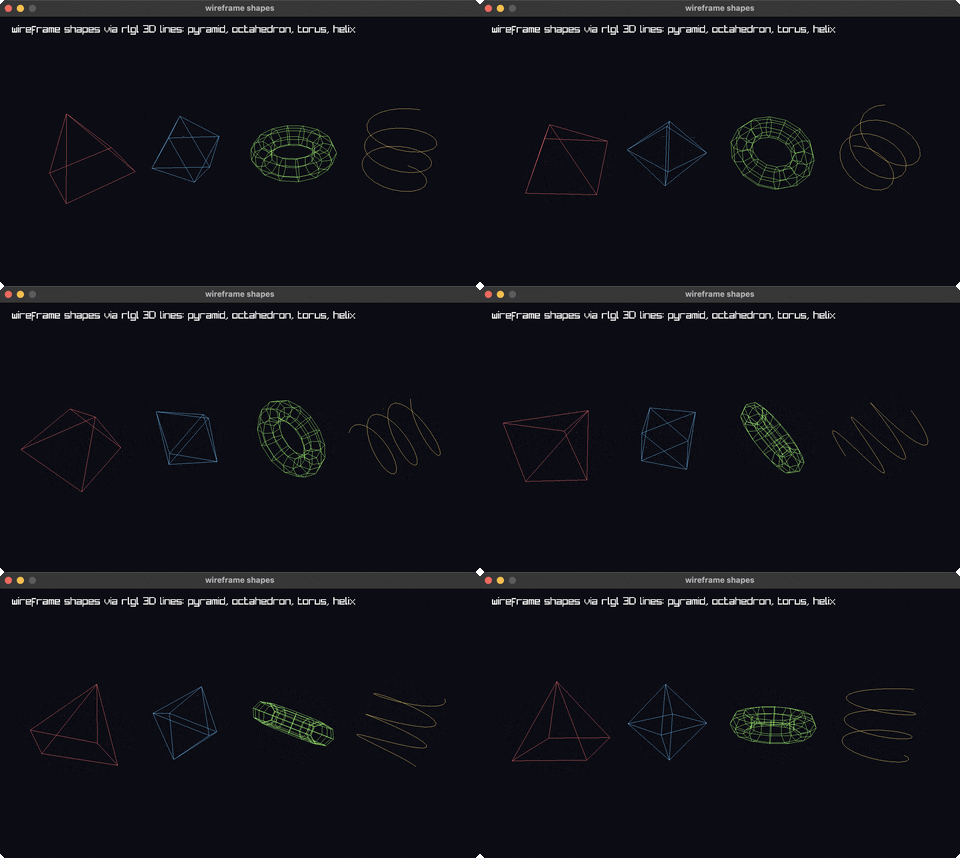 | wireframe-shapes | pyramid / torus / helix as rlgl 3D lines |
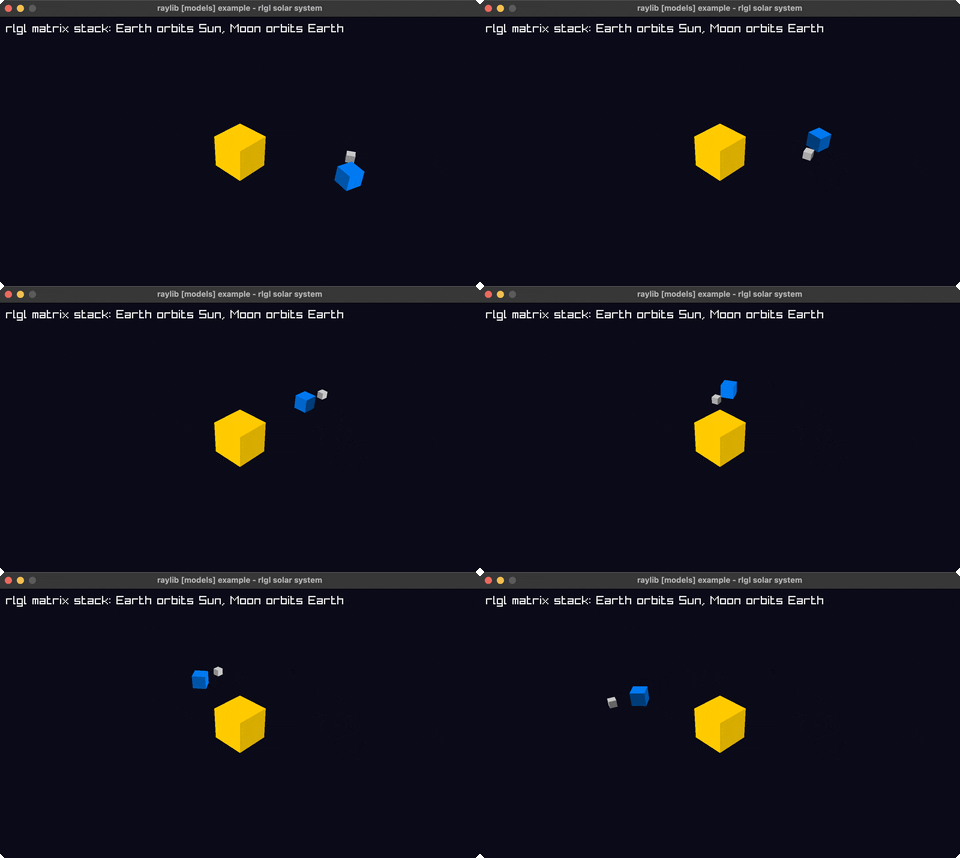 | rlgl-solar-system | Sun / Earth / Moon via the rlgl matrix stack |
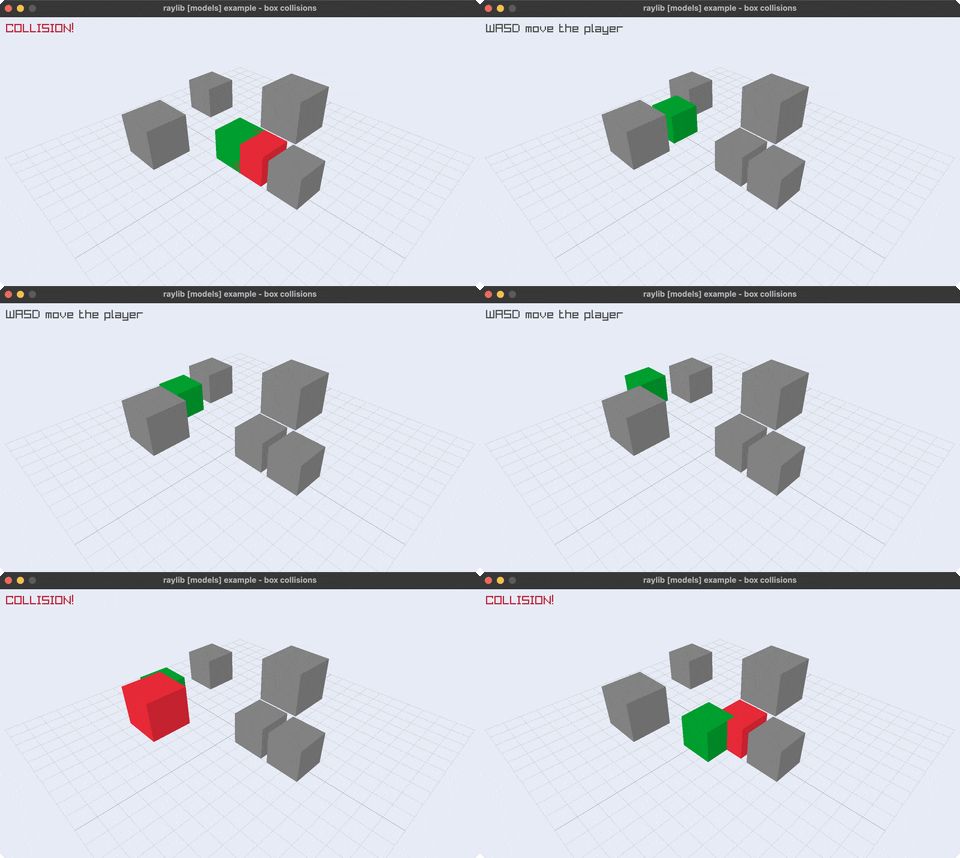 | box-collisions | a player cube vs. boxes, 3D AABB highlight |
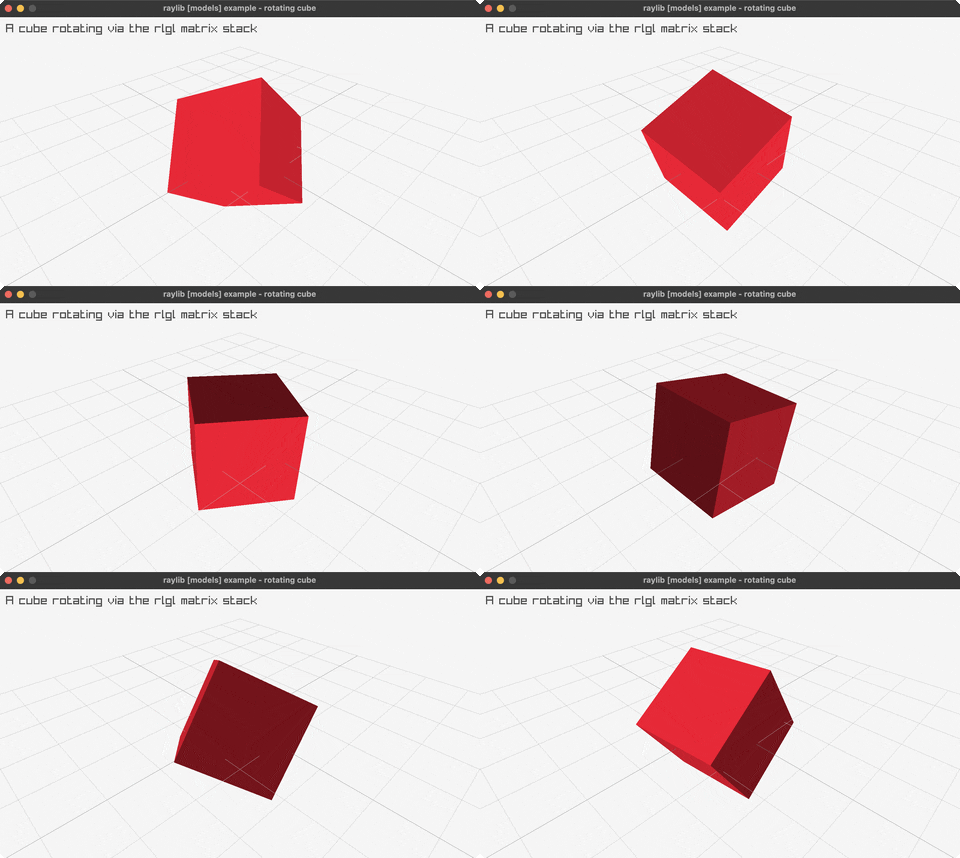 | rotating-cube | a single cube spinning via the rlgl matrix stack |
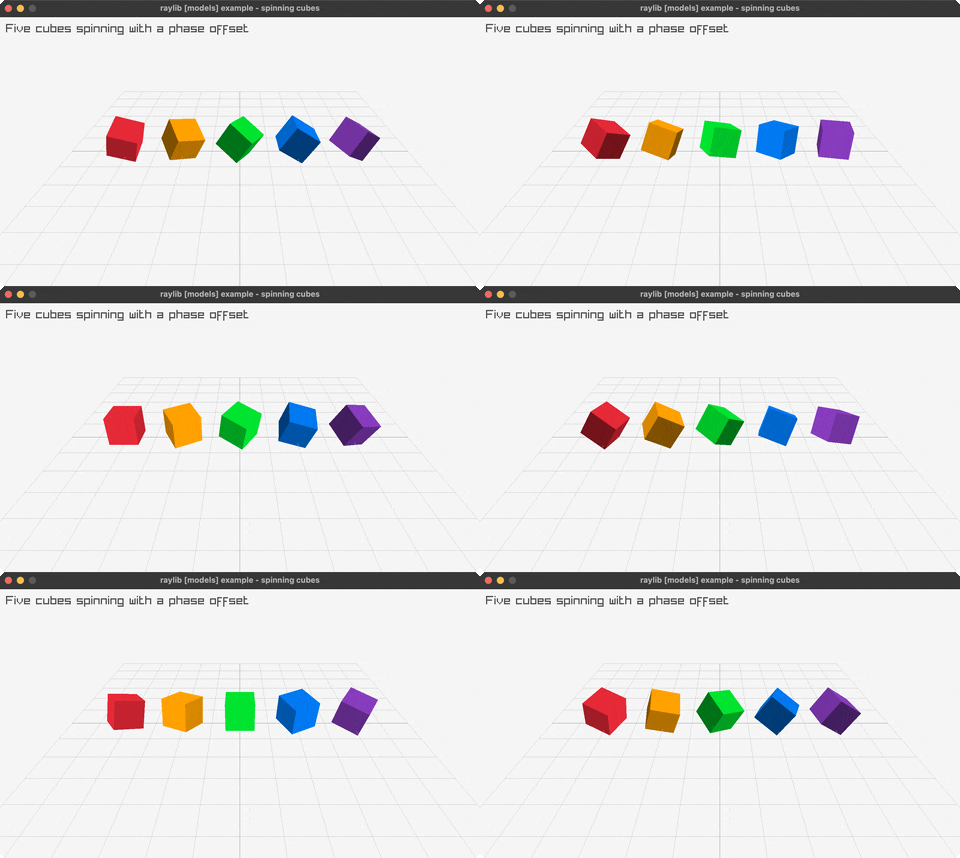 | spinning-cubes | a row of cubes each spinning with a phase offset |
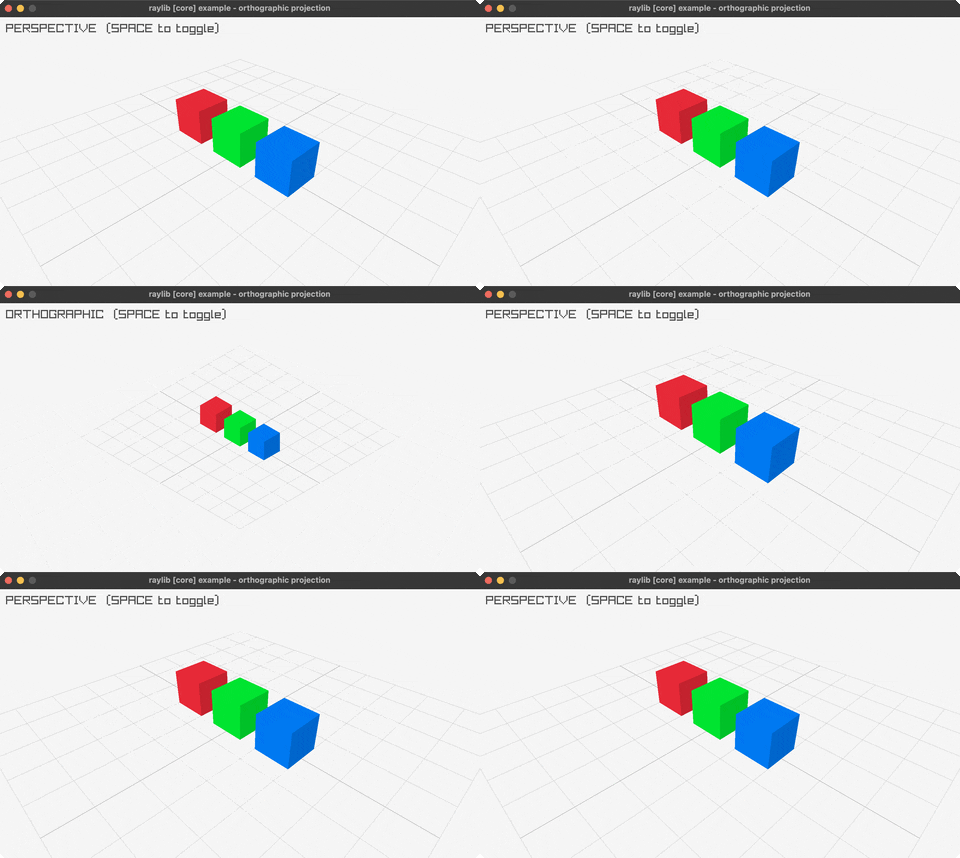 | orthographic-projection | perspective vs orthographic (SPACE toggles) |
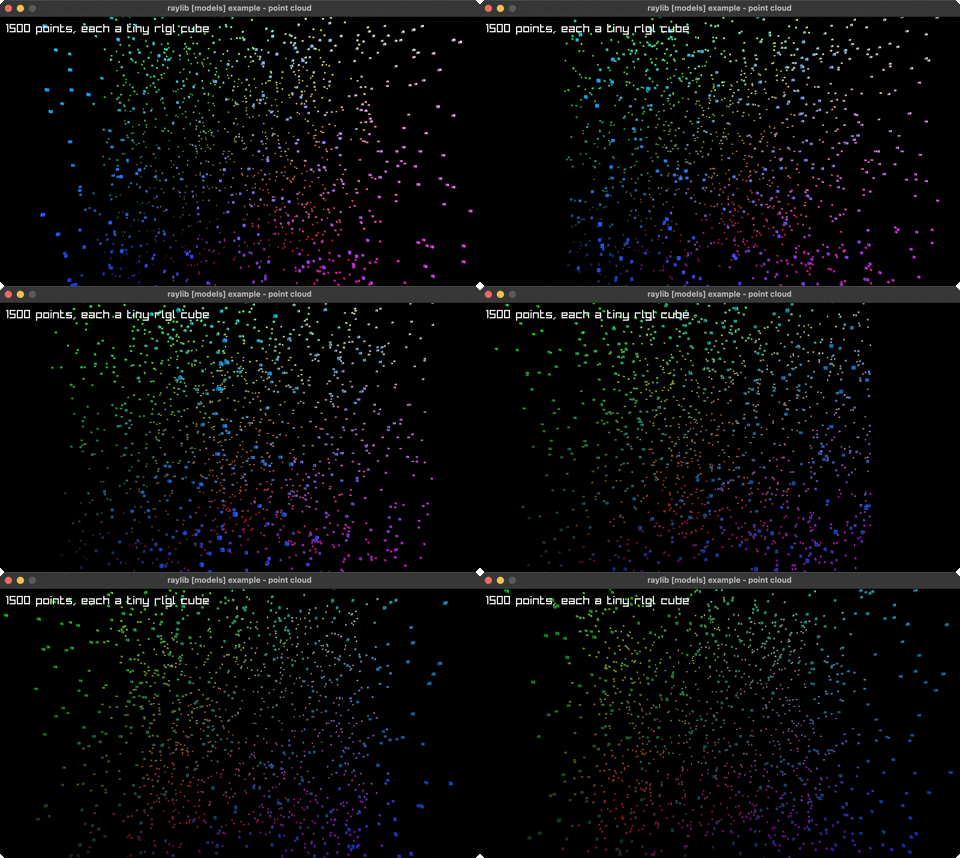 | point-cloud | ~1500 points as tiny rlgl cubes, rotating |
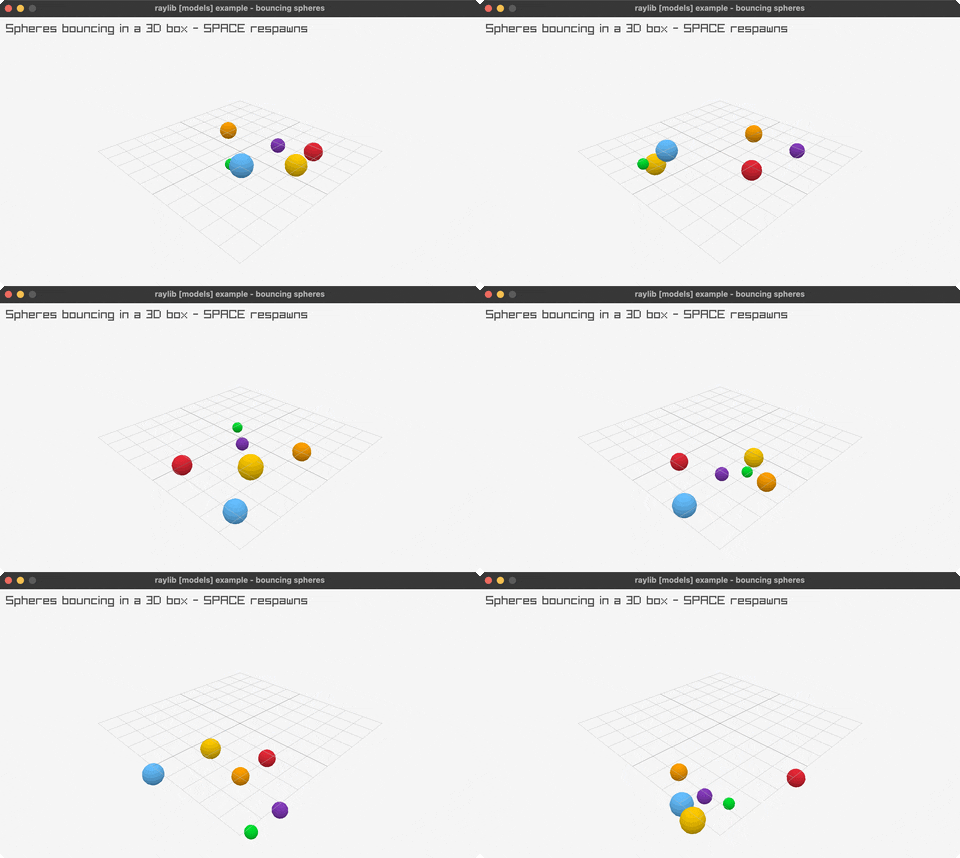 | bouncing-spheres | spheres bouncing in a 3D box (rl/sphere!) |
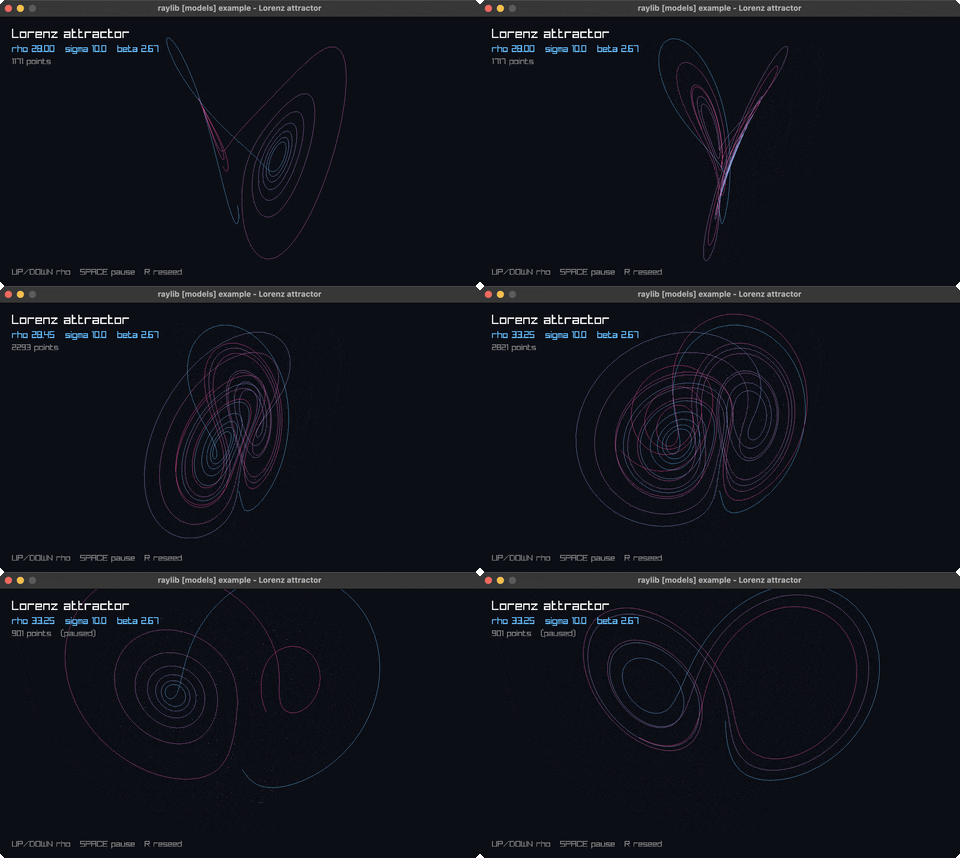 | lorenz-attractor | the Lorenz attractor traced in 3D |
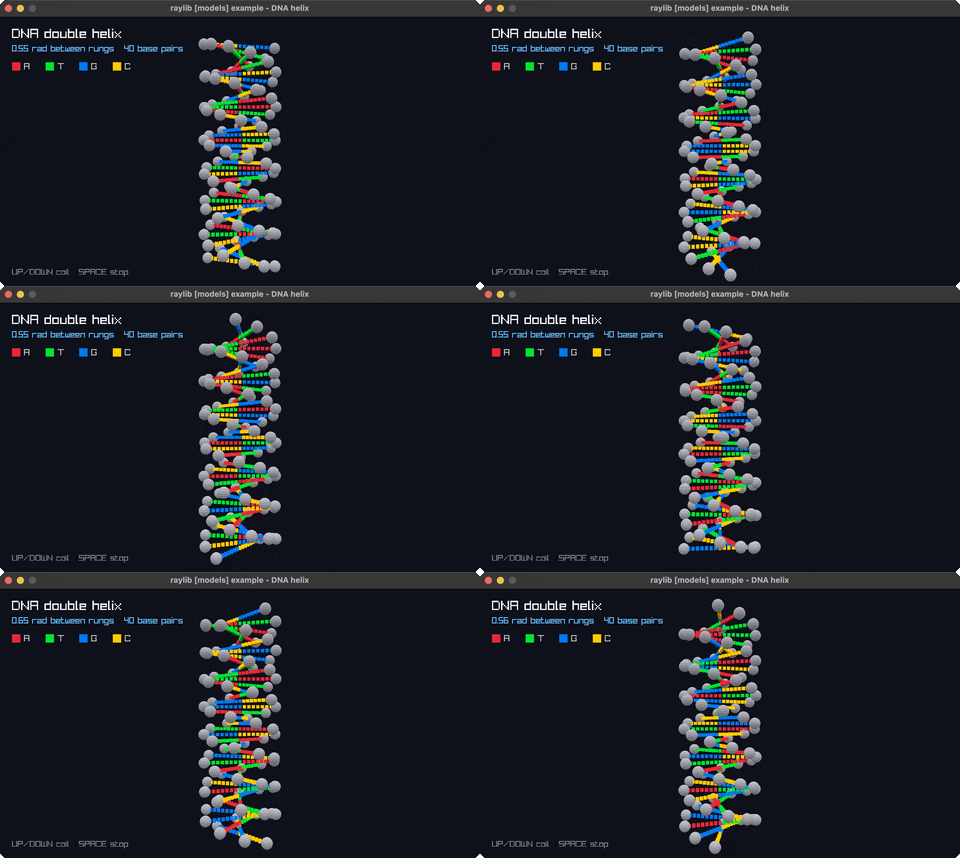 | dna-helix | a turning double helix with coloured base pairs |
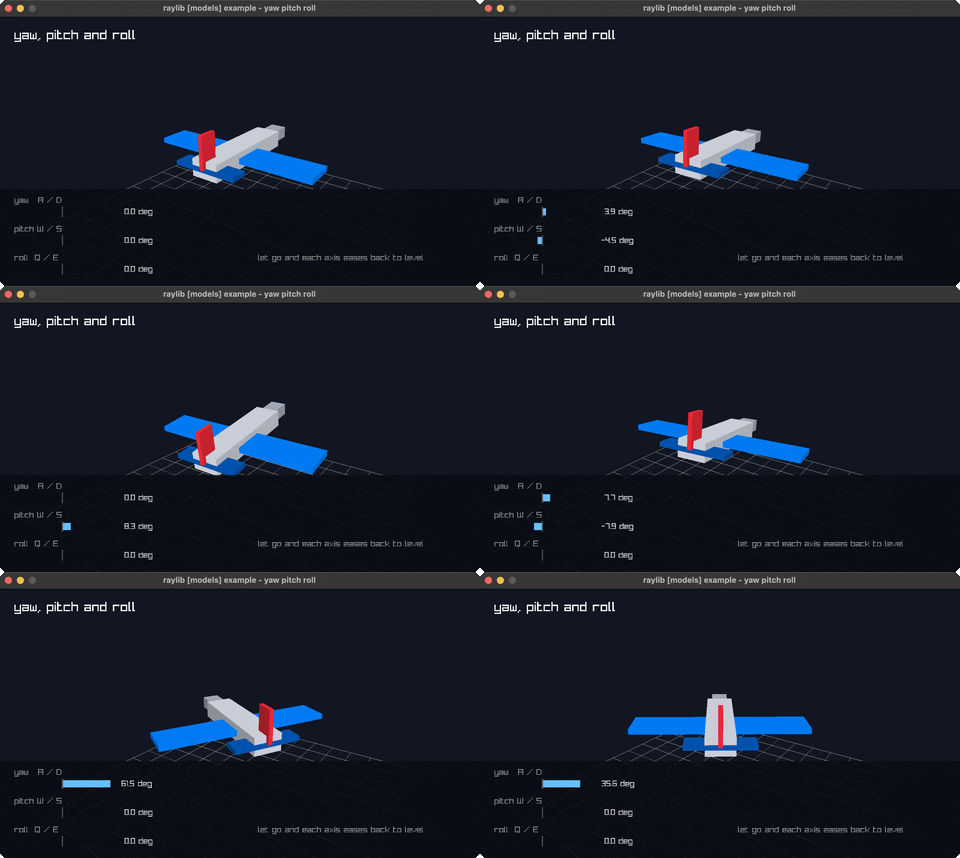 | yaw-pitch-roll | the three aircraft rotations in 3D |
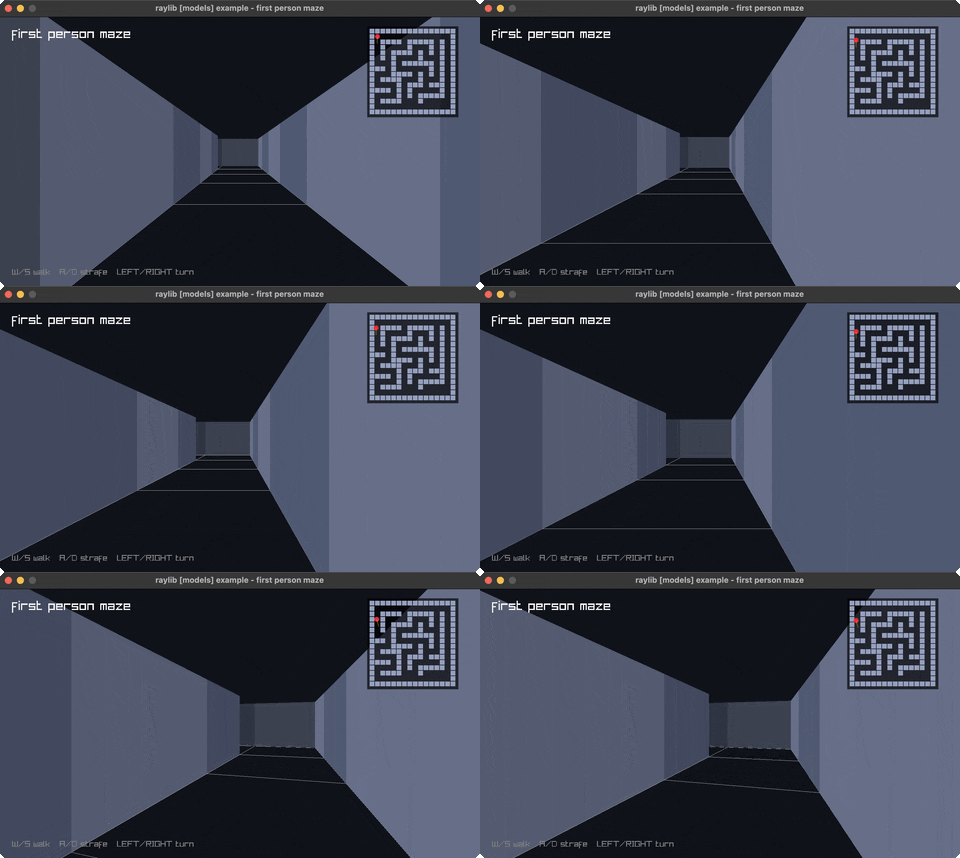 | first-person-maze | walk a grid maze in first person, with a minimap |
The 3D set stands entirely on two building blocks from rlgl-immediate-mode.md and struct-by-value-pointer-trick.md: with-camera-3d (the camera, by pointer) and cube! (the geometry, by rlgl vertices).
generative (9)
| preview | bb name | shows |
|---|---|---|
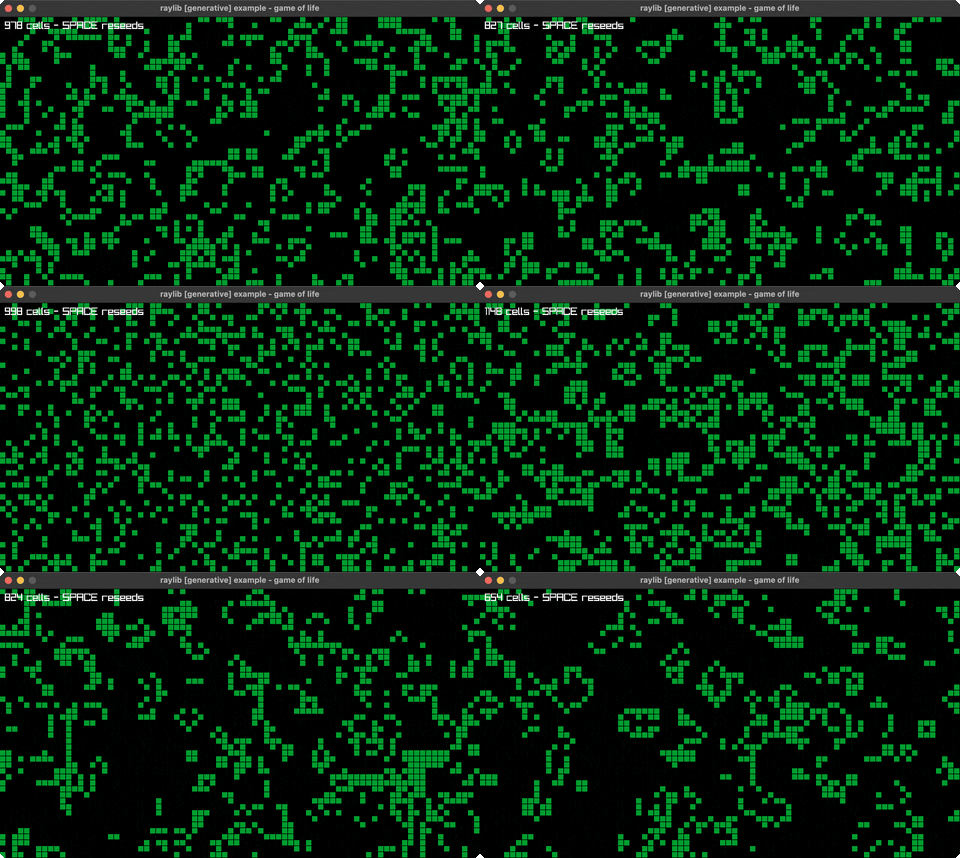 | game-of-life | Conway's Game of Life (SPACE reseeds) |
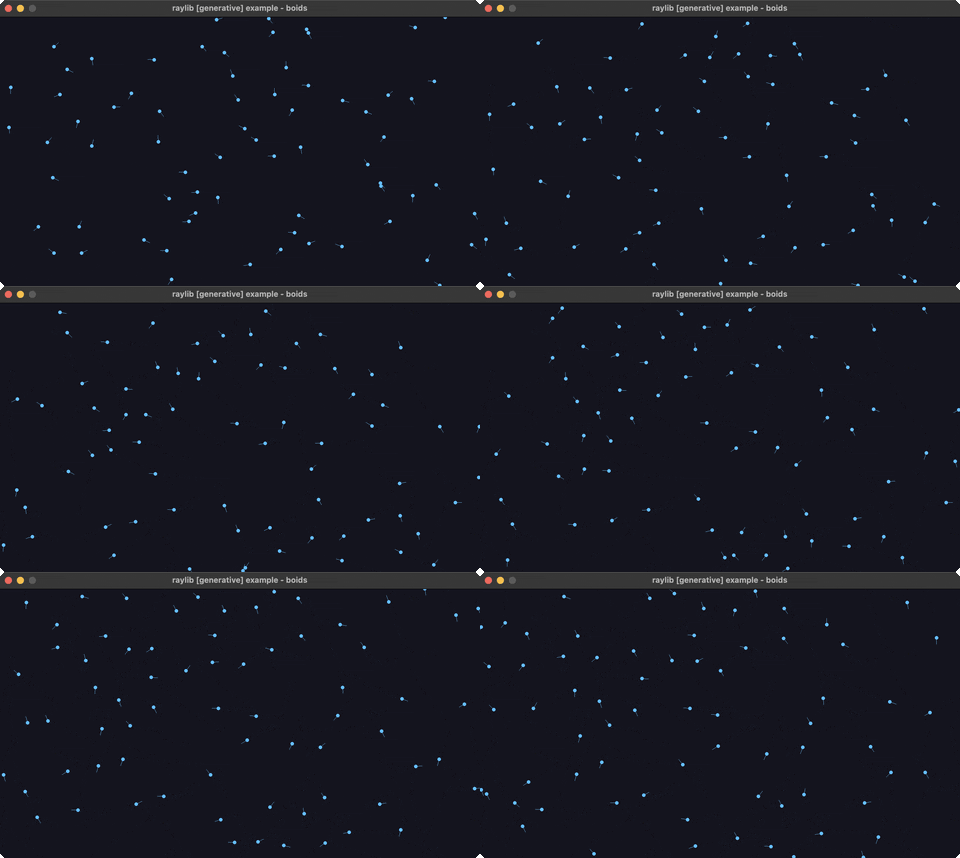 | boids | flocking birds (separation/alignment/cohesion) |
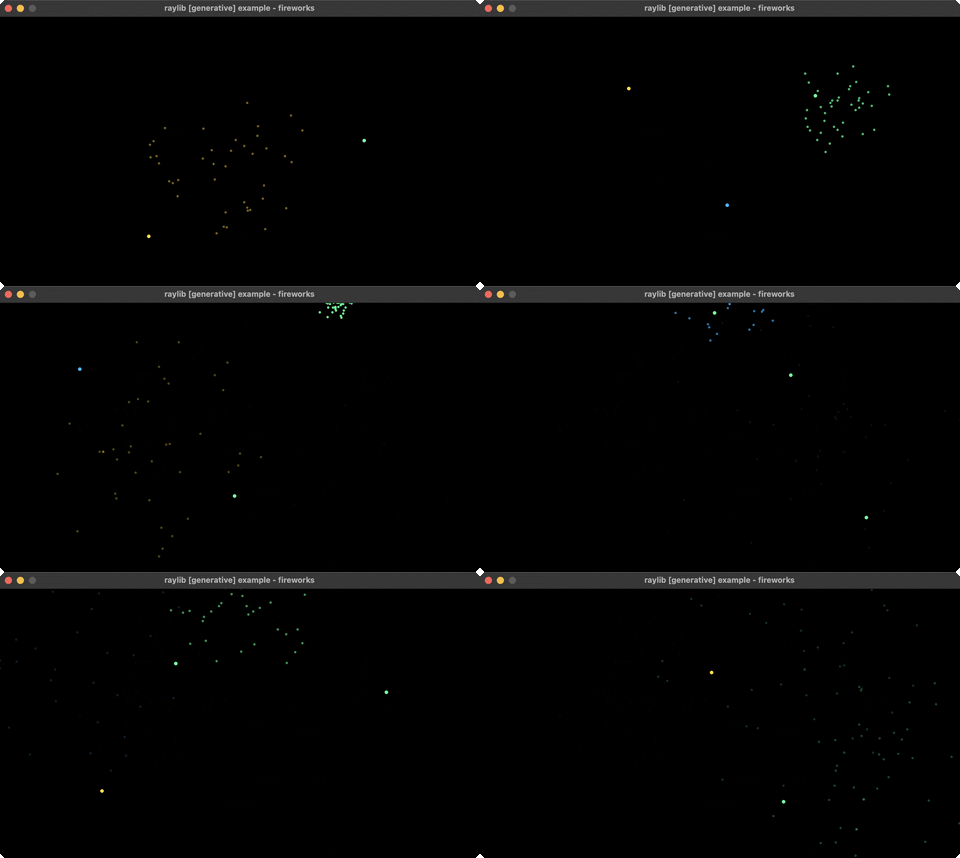 | fireworks | rockets + fading particle bursts |
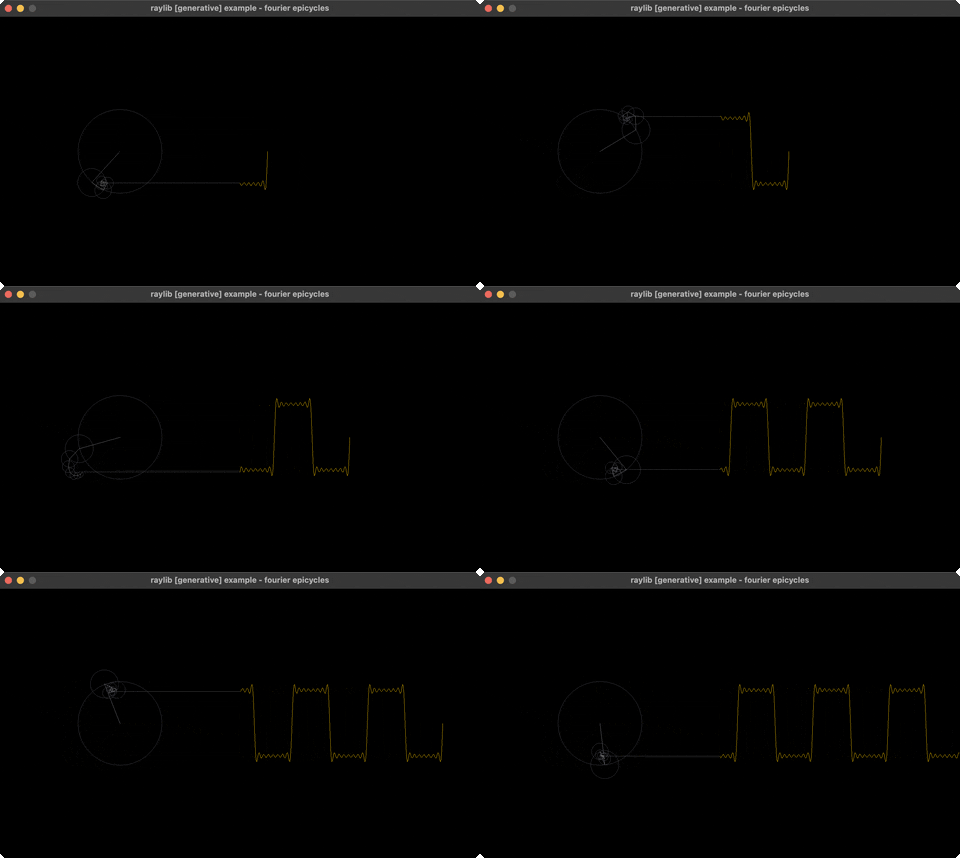 | fourier-epicycles | rotating circles trace a square wave |
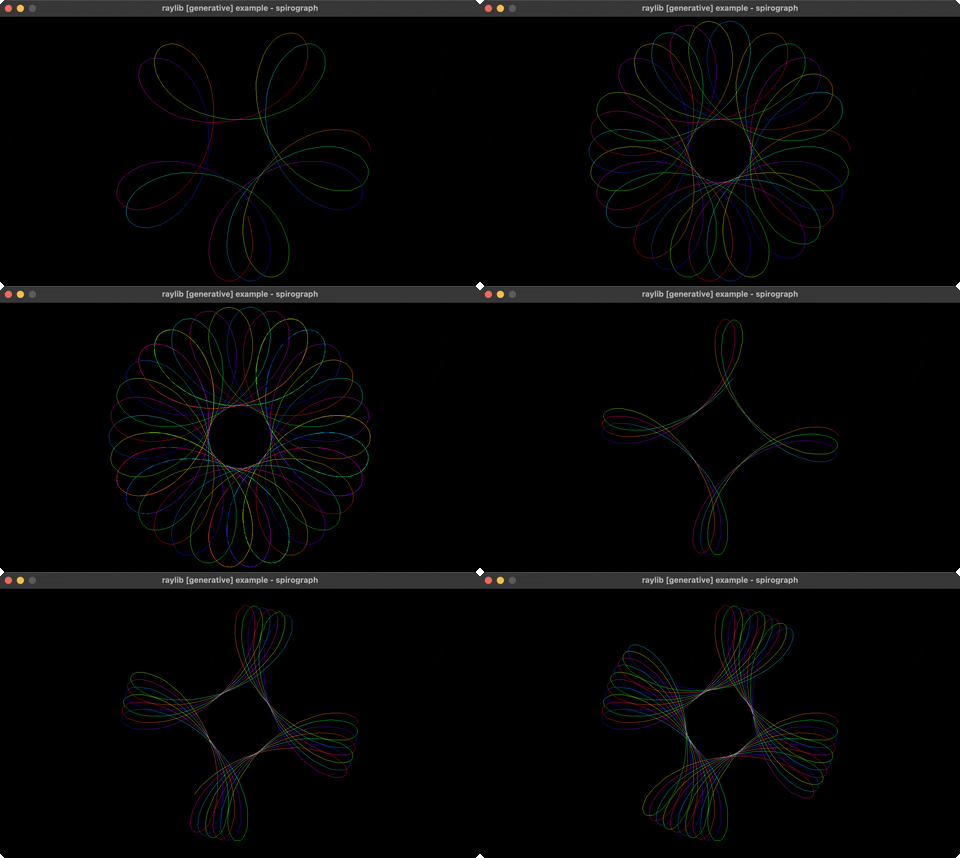 | spirograph | animated hypotrochoid roulette curves |
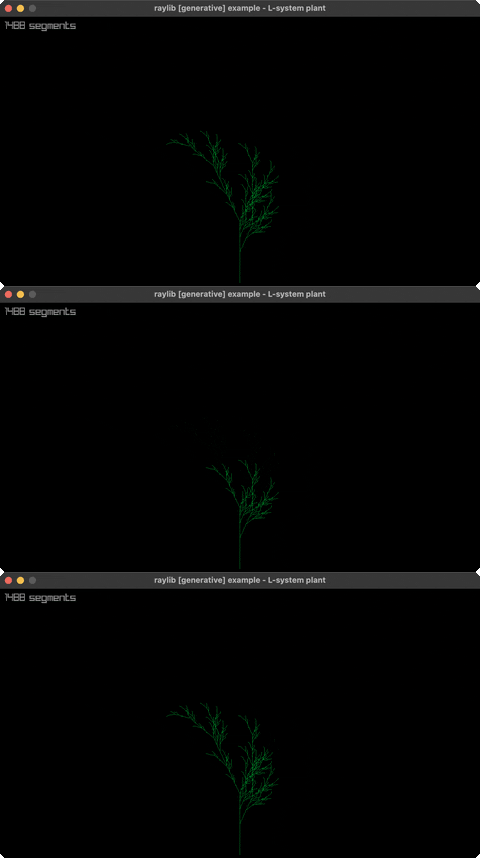 | l-system | an L-system fractal plant (grows + regrows) |
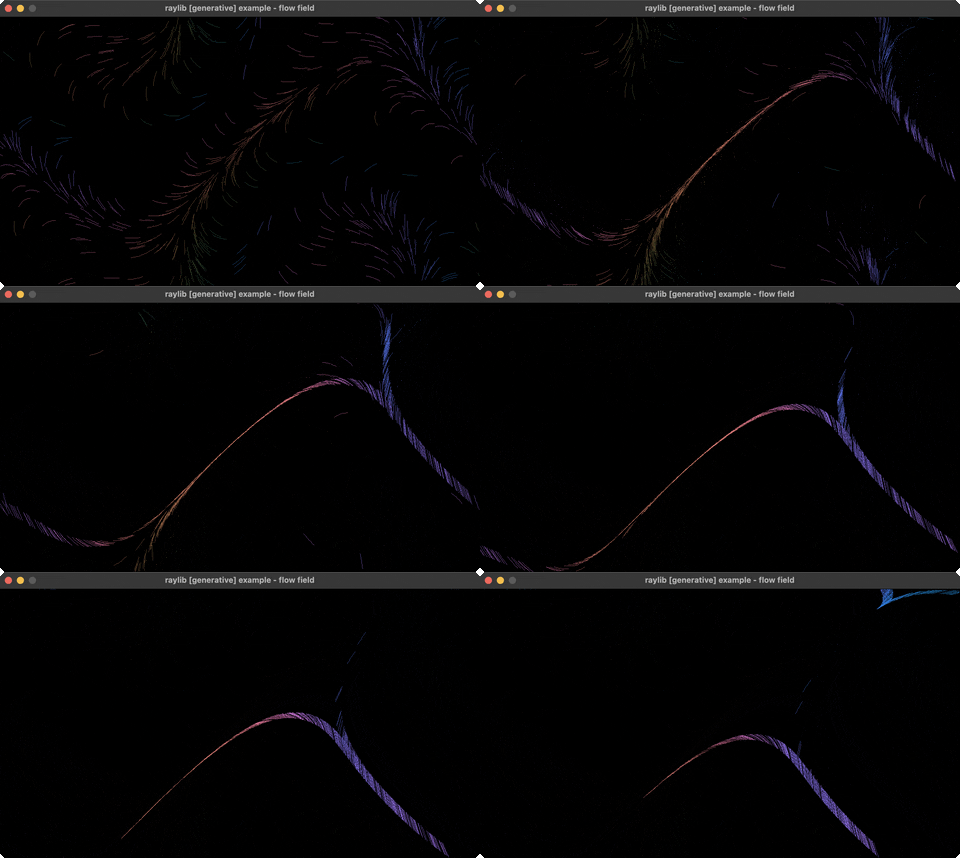 | flow-field | particles steered by a flow field (trails) |
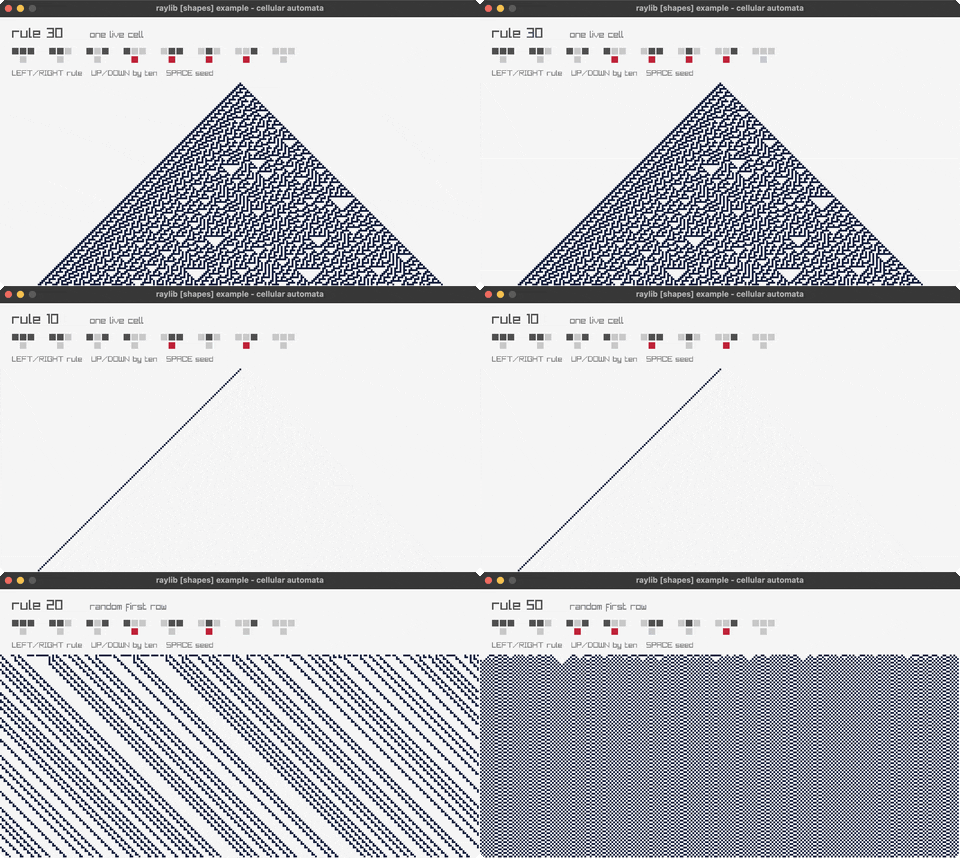 | cellular-automata | Wolfram's elementary automata |
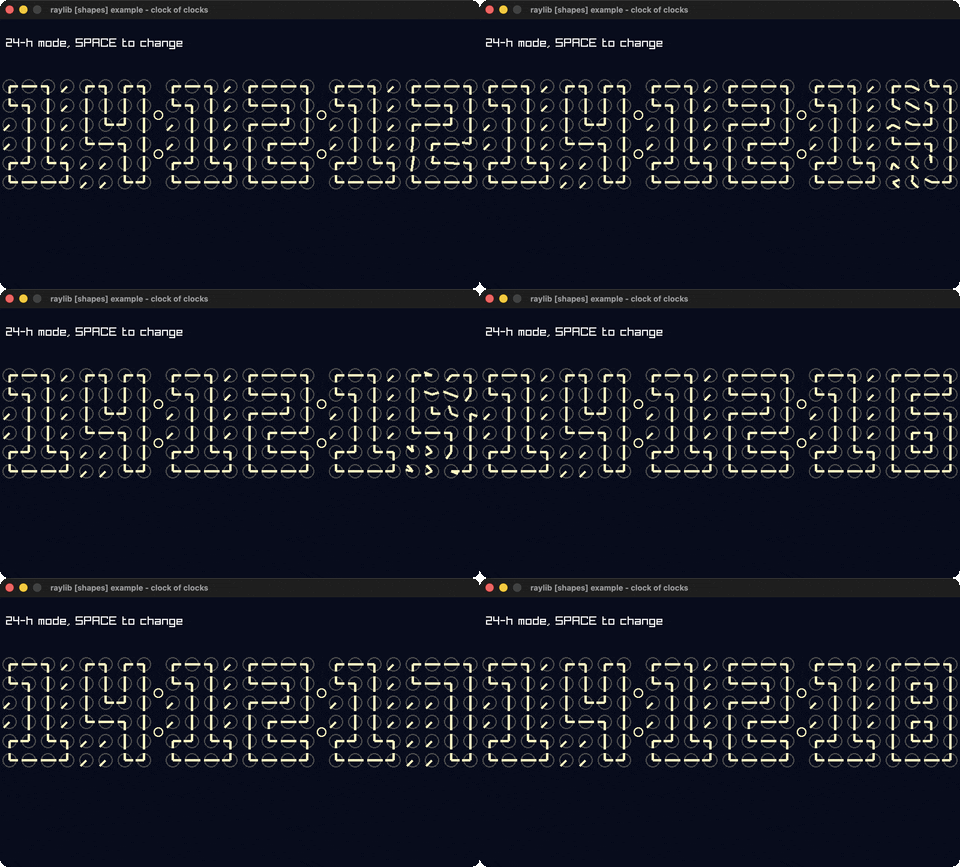 | clock-of-clocks | six digits spelled by a grid of clock hands |
All eight are pure math + the drawing API, no new bindings. They showcase the suite as a generative-art canvas: cellular automata, agent flocking, particle systems, rotating-vector Fourier series, parametric roulette curves, string-rewrite fractals, and noise-steered flow fields.
textures (4)
raylib's texture API returns structs by value and has no binding here; these go through rlgl's scalar layer instead, so every texture is built pixel by pixel in native memory rather than loaded from a file. See textures-via-rlgl.md.
| preview | bb name | shows |
|---|---|---|
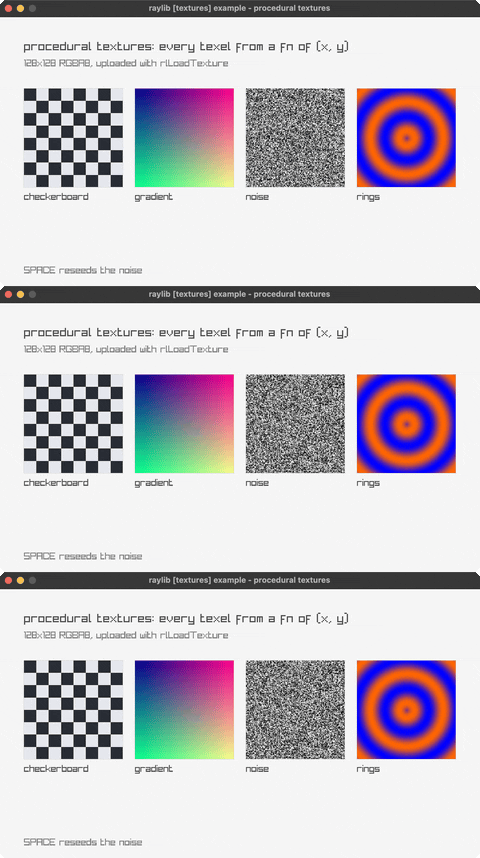 | texture-procedural | four textures built pixel by pixel |
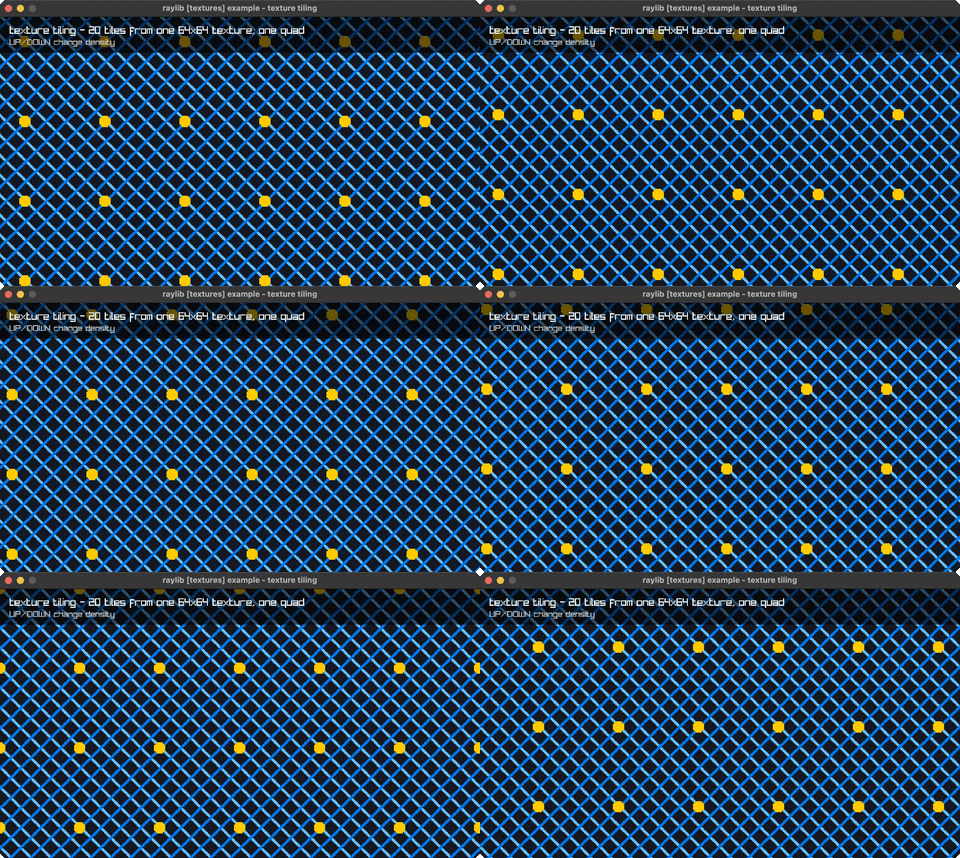 | texture-tiling | one tile repeated across the window |
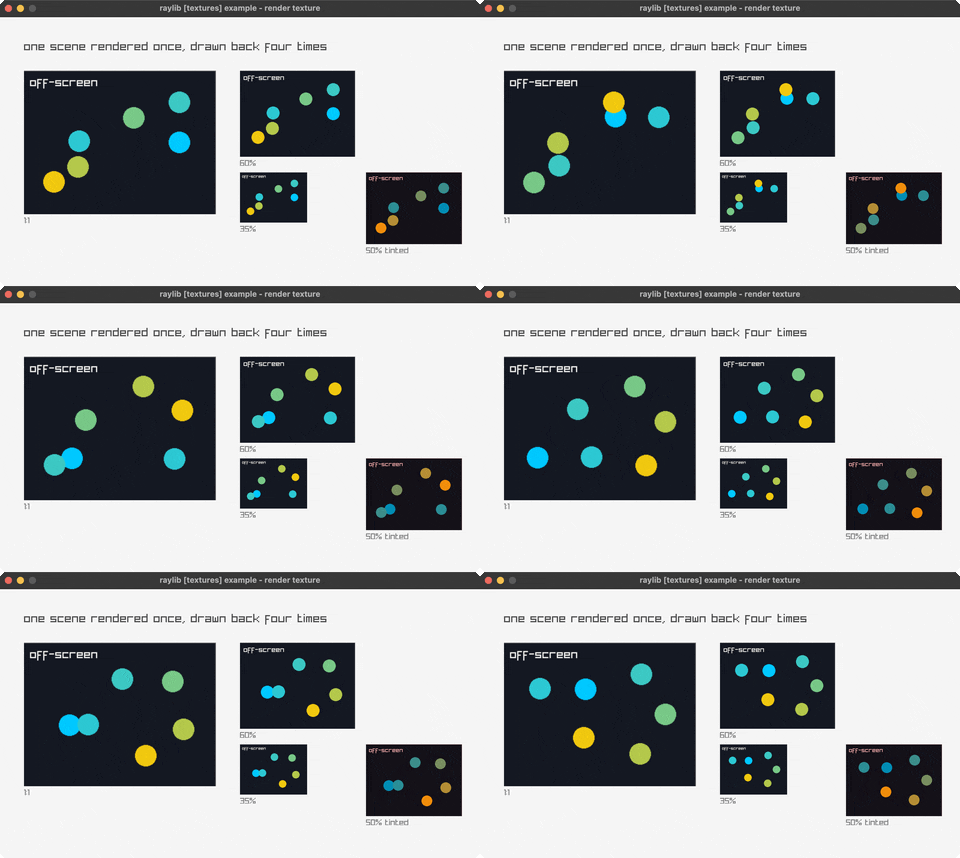 | render-texture | a scene drawn off-screen, then reused |
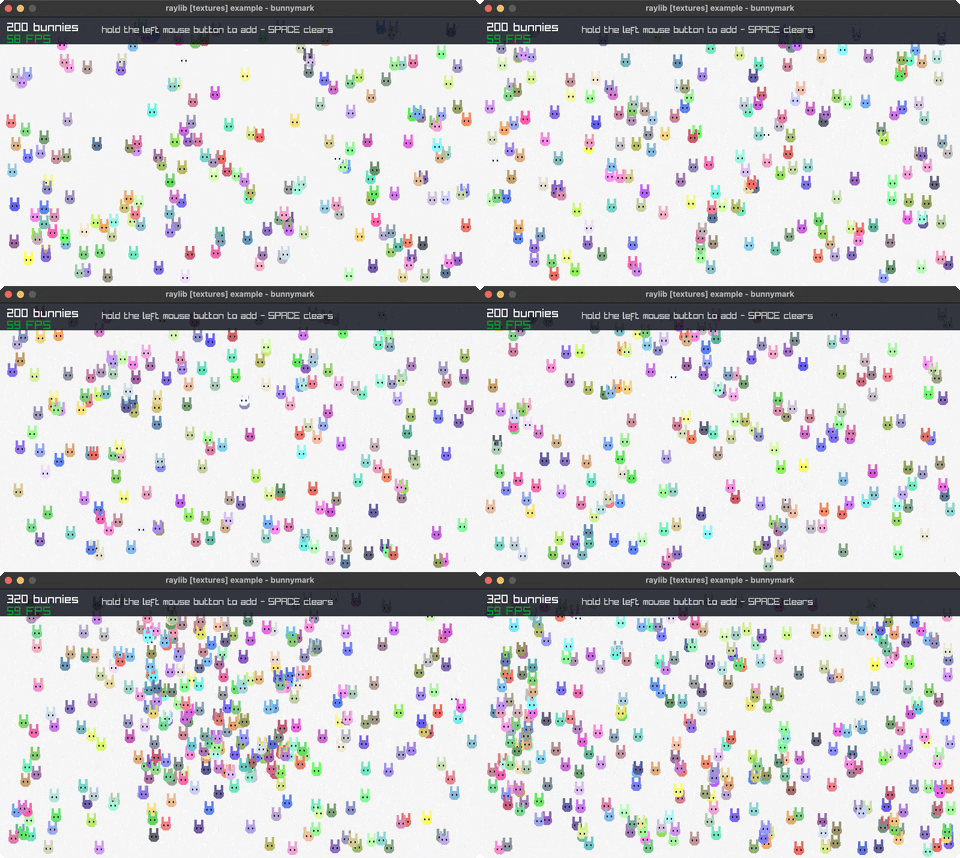 | bunnymark | the sprite-count benchmark (click to add) |
shaders (10)
GLSL compiled at runtime and run over a full-screen quad. raylib's LoadShader returns a Shader by value, which needed jolt's [:by-value [:struct ...]] - so these are the first examples with a hard jolt floor (0.7.23). The source lives as a string in each namespace rather than a .glsl file, so an example stays one self-contained file.
That [:by-value ...] support also supersedes the workarounds described in textures-via-rlgl.md and struct-by-value-pointer-trick.md; those pages still describe what the suite currently does elsewhere. A page on the by-value API itself is not written yet.
| preview | bb name | shows |
|---|---|---|
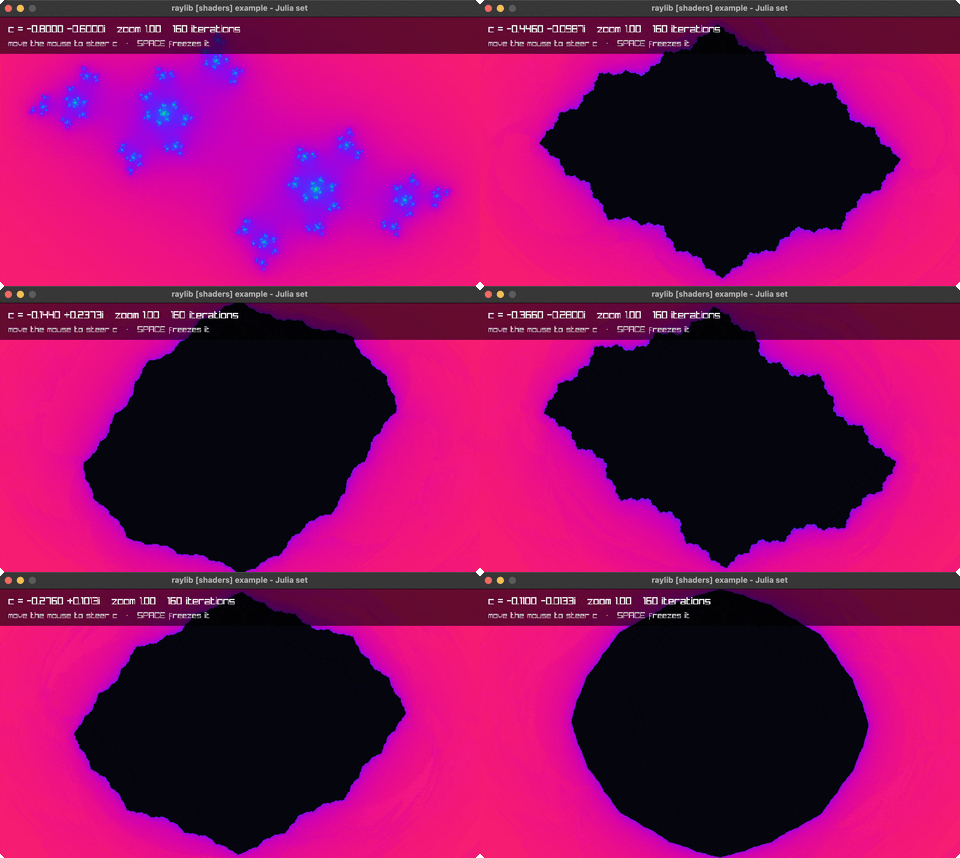 | julia-set | the Julia set, mouse-steered, in a shader |
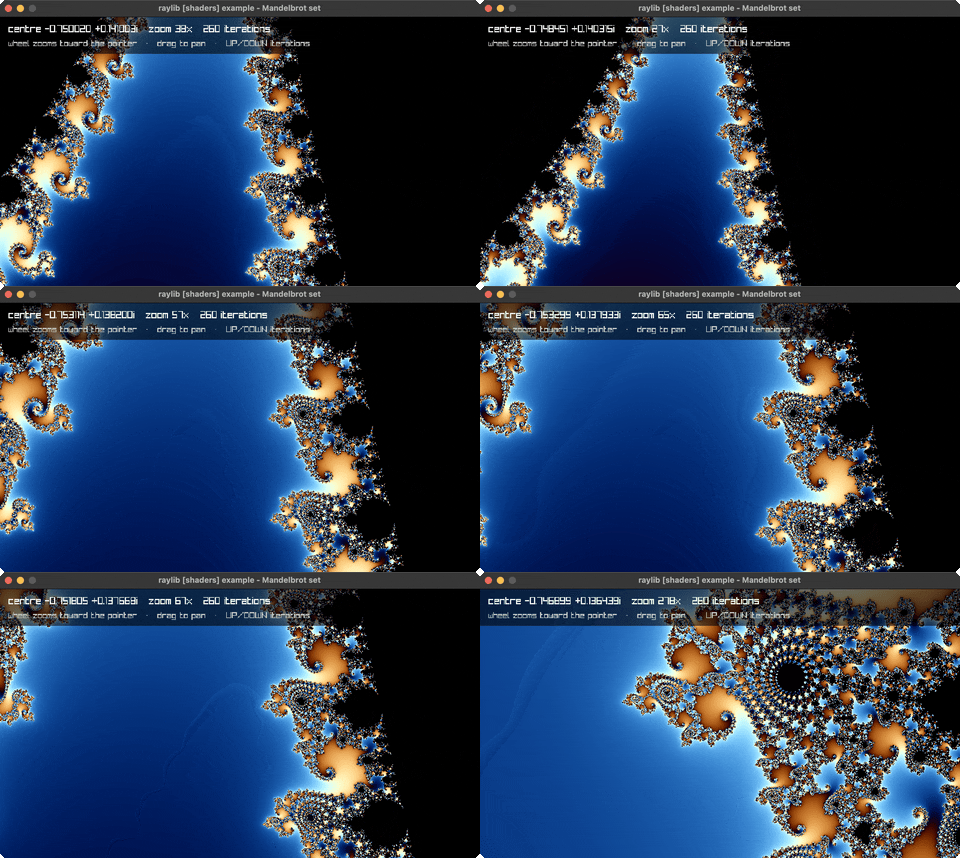 | mandelbrot-set | the Mandelbrot set, zoomable, in a shader |
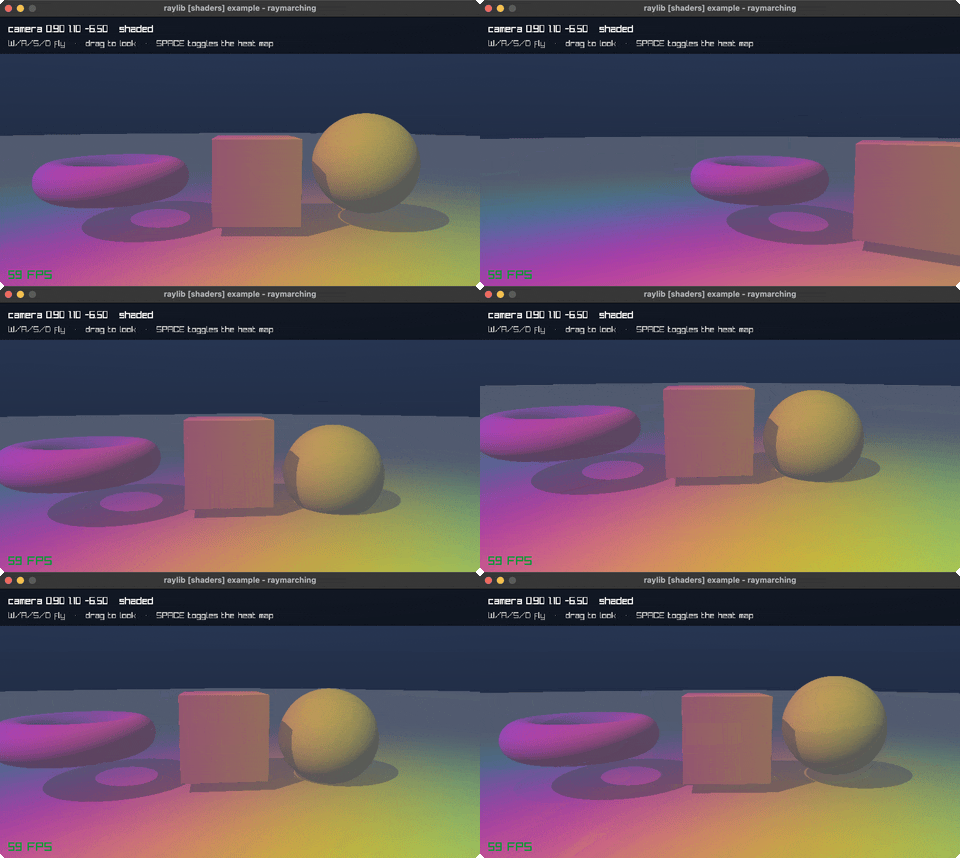 | raymarching | a raymarched SDF scene in a shader |
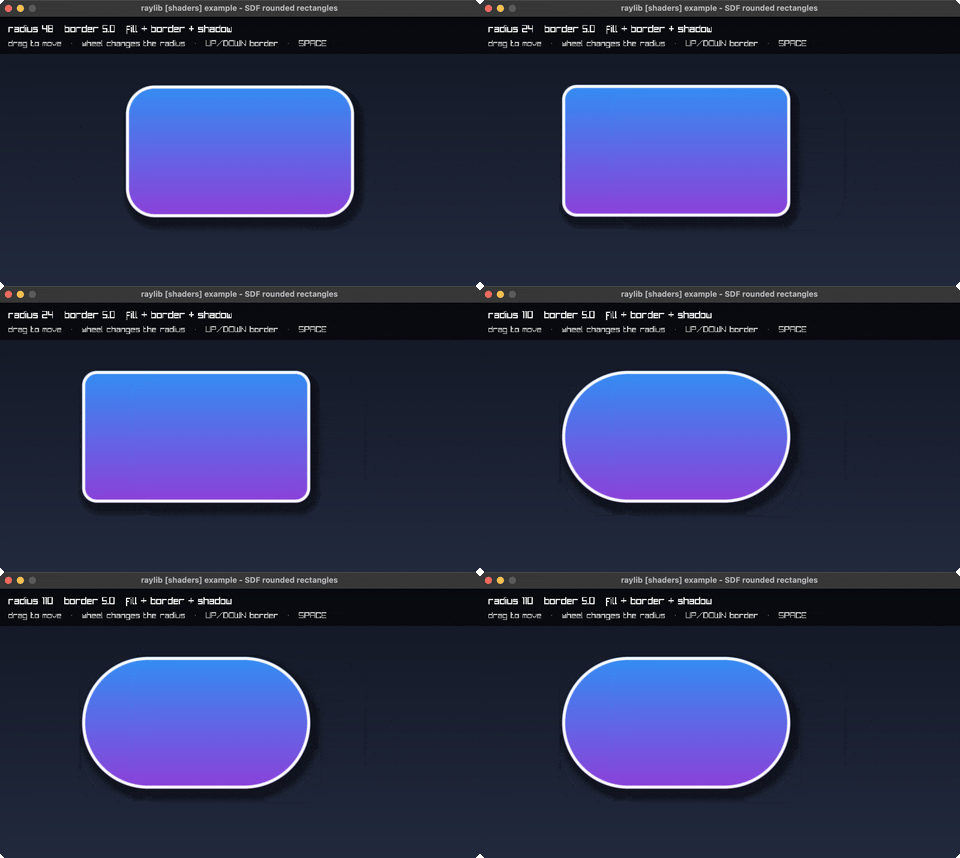 | rounded-rect-shader | SDF rounded rects: fill, border, shadow |
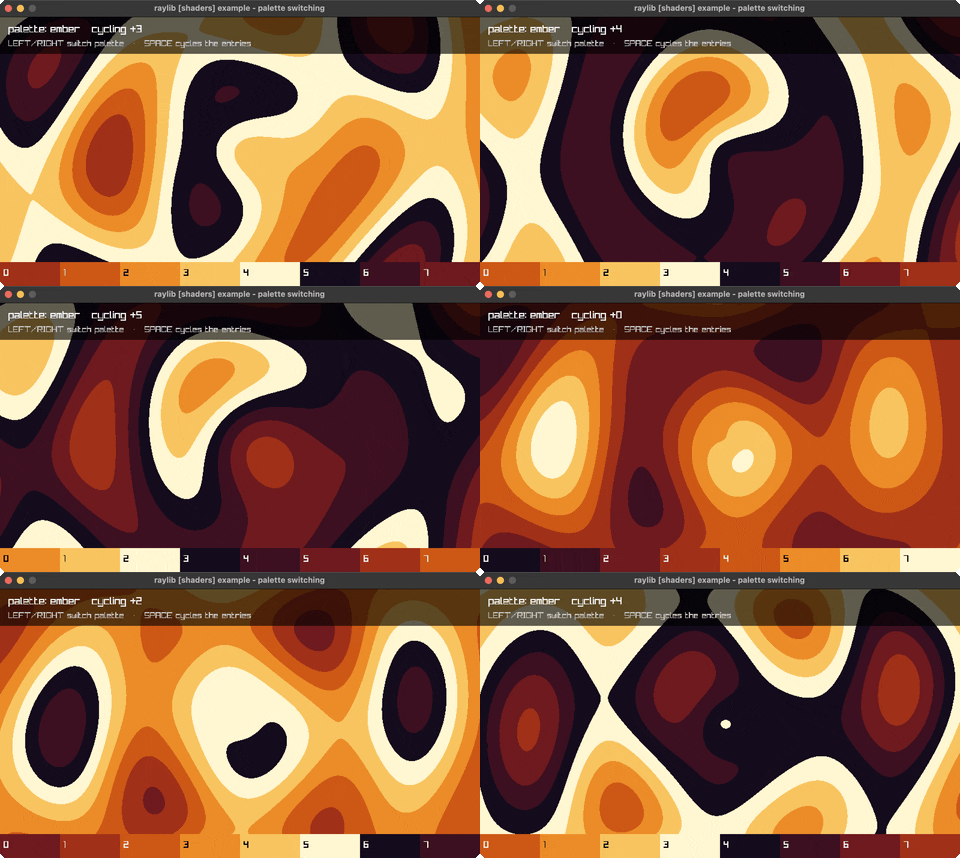 | palette-switch | bands recolored by an ivec3 palette |
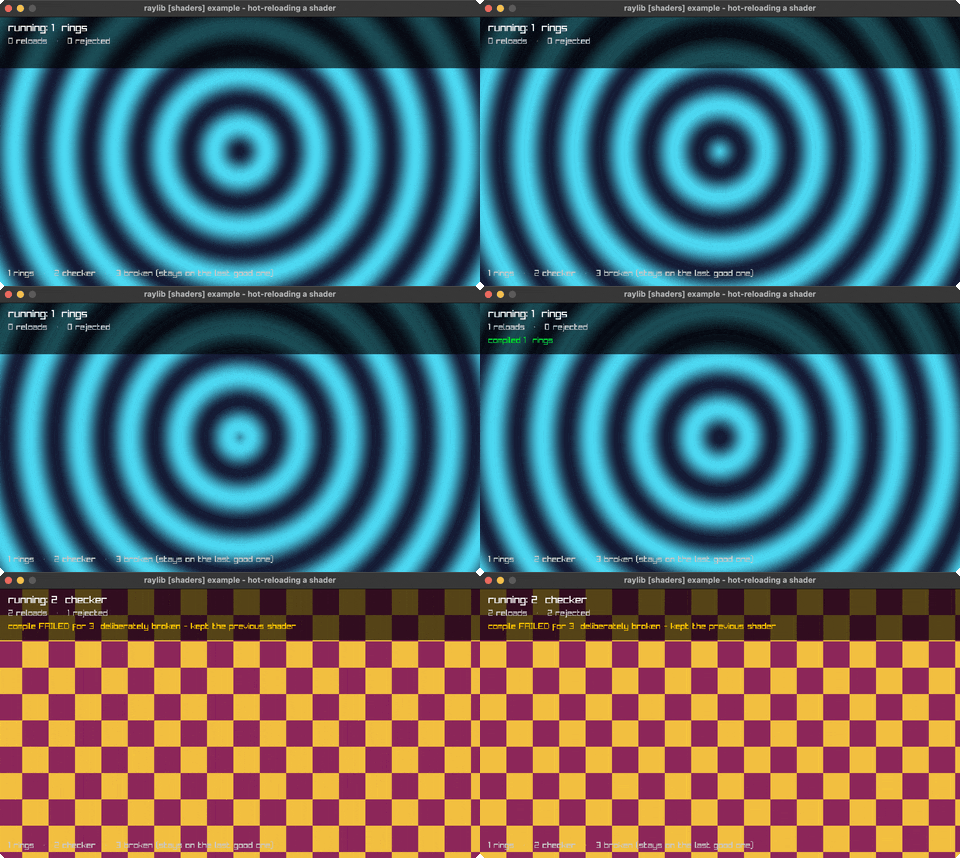 | shader-hot-reload | swap and recompile the GLSL at runtime |
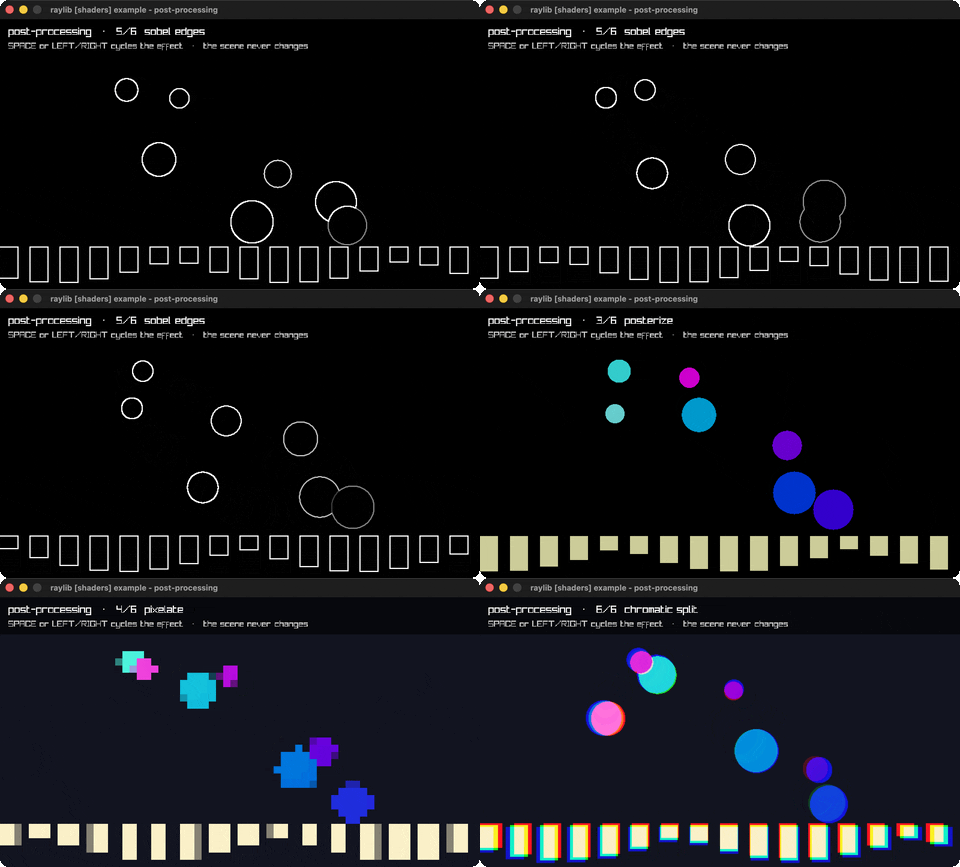 | postprocessing | post-process shaders cycled over a scene |
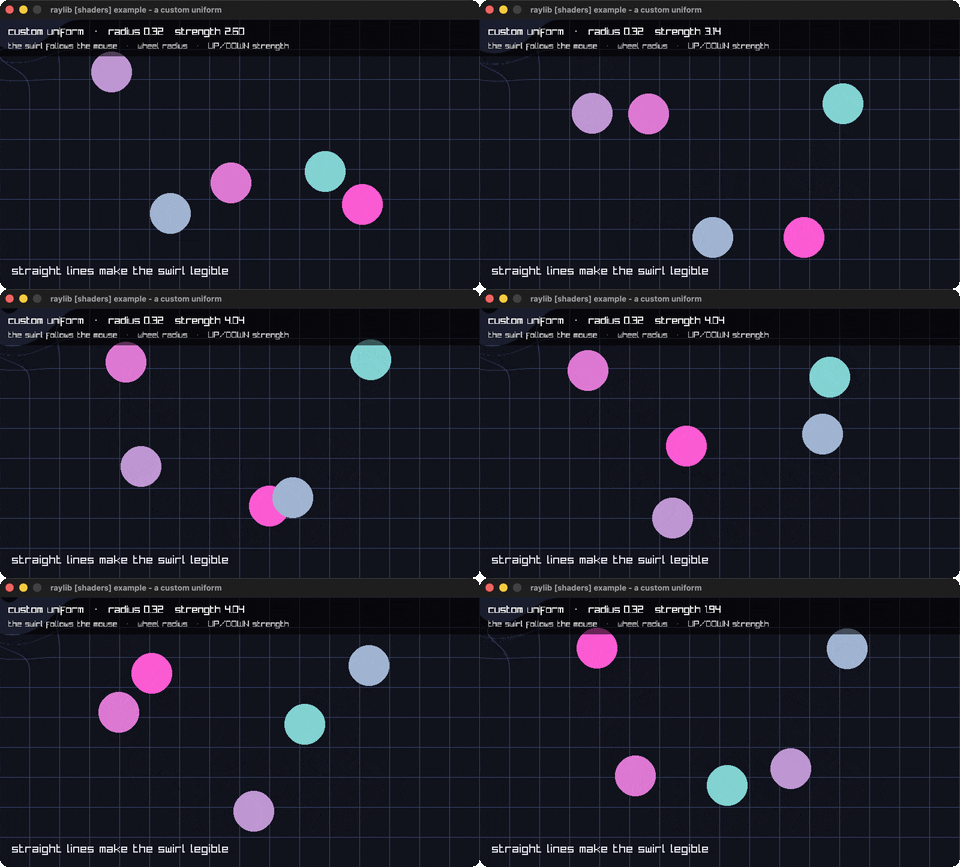 | custom-uniform | a mouse-steered swirl over a scene |
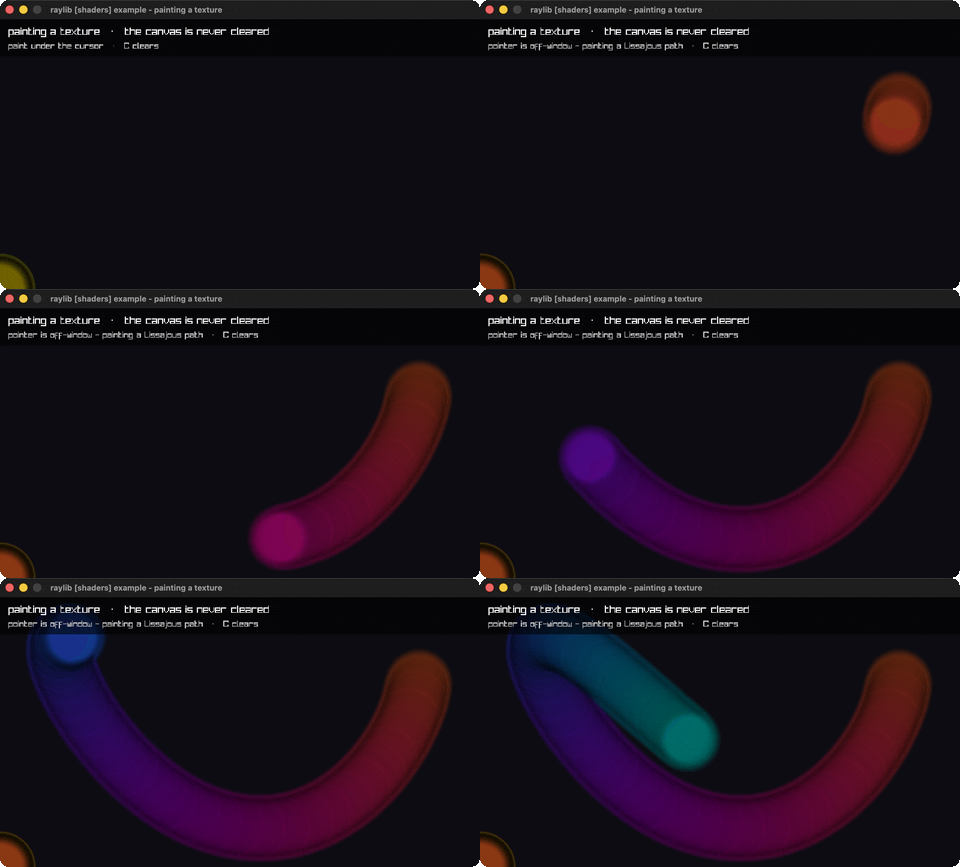 | texture-painting | a blank texture painted by a shader |
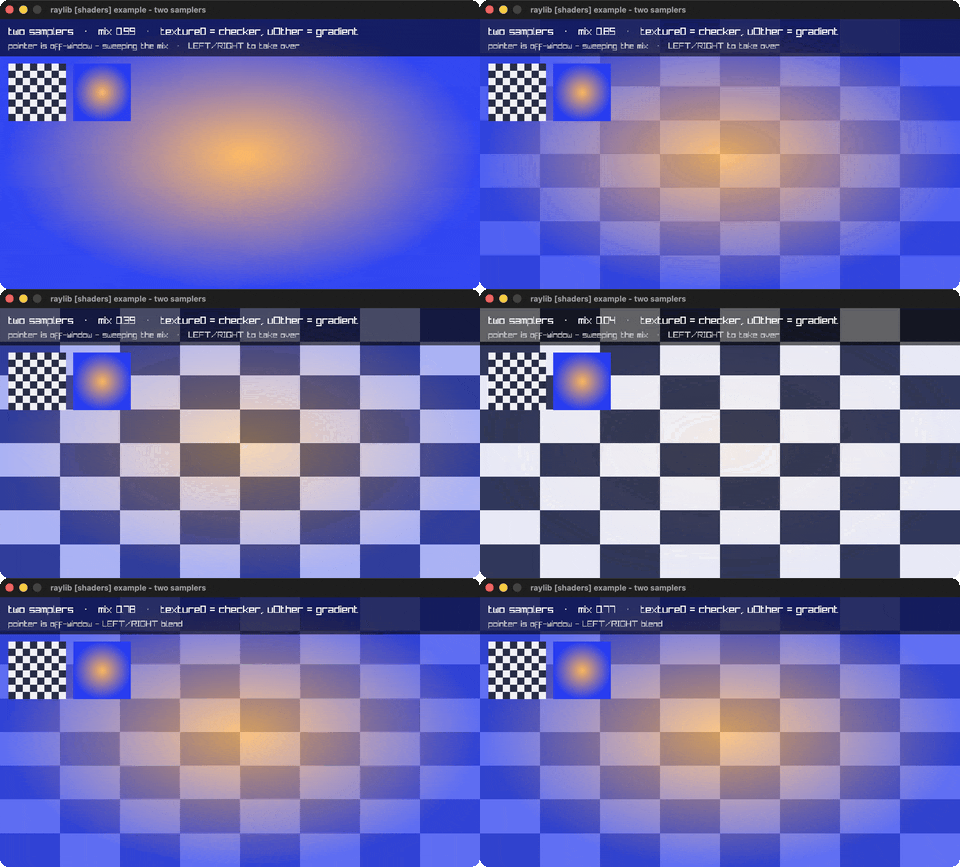 | multi-sampler | two textures blended by a second sampler |
Adding an example: the five touchpoints
The suite is deliberately mechanical to grow. One new example touches five places:
- Source:
src/net/b12n/raylib_jlt/<name>.clj, a namespace with a-mainthat runs the canonical loop (seeheadless-smoke-testing.md) against thenet.b12n.raylib-jlt.raylibAPI. deps.ednalias::<name> {:main-opts ["-m" "net.b12n.raylib-jlt.<name>"]}sojolt -M:<name>works.check.cljrequire: addnet.b12n.raylib-jlt.<name>to the:requirelist innet.b12n.raylib-jlt.check, so the headless compile-check covers it.- Registry row: add
["<display-name>" "<alias>" "<group>" "<desc>"]to theexamplesvector inscripts/examples_registry.clj, the single source of truth thatbb.ednand the demo recorder both read. bb.edntask: add a matching<name> {:doc "..." :task (run-example "<name>")}row, sobb <name>works alongsidebb info/bb examples/bb run-all.
bb check:registration verifies all five without needing jolt or libraylib, and CI runs it before the compile gate. Touchpoint 3 is why it exists: bb check compiles what check.clj requires, so an example missing from that list is never compiled and the run still reports success.
Note that the alias is not always the display name, and the namespace is derivable from neither. ["basic-window" "run" ...] reaches net.b12n.raylib-jlt.core through the :run alias, and twelve rows differ this way, so deps.edn is the source of truth for which namespace a row means.
A new group needs two more edits: the group list in bb.edn's info task and the :groups vector in scripts/demo_manifest.edn.
flowchart LR src["src/…/<name>.clj<br/>the example"] --> deps["deps.edn<br/>:<name> alias"] src --> chk["check.clj<br/>require (headless compile)"] src --> reg["scripts/examples_registry.clj<br/>registry row"] reg --> bb["bb.edn<br/>bb <name> task"]
Filenames use underscores (basic_screen_manager.clj); the namespace uses hyphens (net.b12n.raylib-jlt.basic-screen-manager), Clojure's standard file↔ns mapping.
One ordering rule applies inside every file: since jolt 0.4.0 an unresolved symbol is a compile error rather than a late-bound reference, so a definition must appear before its first use, in a fn body and in an :or destructuring default just as much as at top level. It bites hardest in the shared raylib.clj binding layer, where one misordered symbol stops every example from loading and only the first offender is reported. jolt -M:check is the quick confirmation; see the jolt note in the README.
See also
kwarg-drawing-api.md: the API every example is written against.headless-smoke-testing.md: the loop shape and howbb run-all/bb checkverify the catalog.